Lenin participates in affiliate programs. Using links helps fund archiving and scanning work.
Abraham Cooper (1787–1868) was a celebrated English painter, renowned for his dynamic depictions of horses, sporting events, and battle scenes. His works captured the energy, grace, and power of animals in motion, earning him recognition among the sporting nobility and gentry of his time.
Cooper began his career in the most unlikely of places: as a walk-on actor at Astley's Theatre. Even while performing on stage, he devoted much of his free time to sketching animals, particularly dogs and horses. His natural talent for capturing the anatomy and spirit of animals quickly became evident.
In 1809, Cooper painted a portrait of a horse belonging to Sir Henry Meux. The work so impressed Meux that he purchased it immediately and became Cooper’s first patron. This early success marked the turning point in Cooper’s career, leading to commissions from other members of the sporting aristocracy. Many of his works were also engraved and published in the Sporting Magazine, further establishing his reputation as a leading sporting artist.
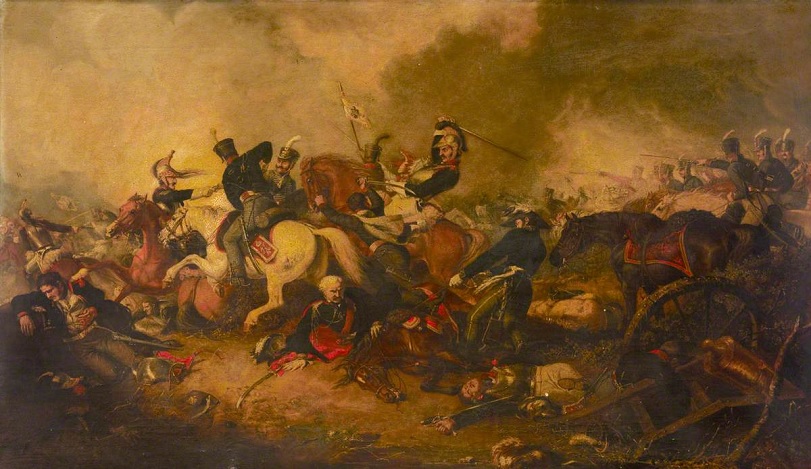
By 1820, Abraham Cooper had been elected a Royal Academician, a testament to his skill and influence in the art world. He exhibited extensively at prestigious venues, including the Royal Academy, the British Institution, and Suffolk Street. His exhibitions featured lively scenes of horses and animals, field sports, and dramatic battle compositions, capturing both motion and emotion with remarkable skill.
Cooper’s works remain celebrated today for their energy, accuracy, and elegance. He passed away in 1868, leaving behind a legacy as one of the foremost painters of sporting and equestrian subjects in 19th-century England. Collectors and museums continue to value his paintings for their historical and artistic significance.
Lenin participates in affiliate programs. Using links helps fund archiving and scanning work.