Lenin participates in affiliate programs. Using links helps fund archiving and scanning work.
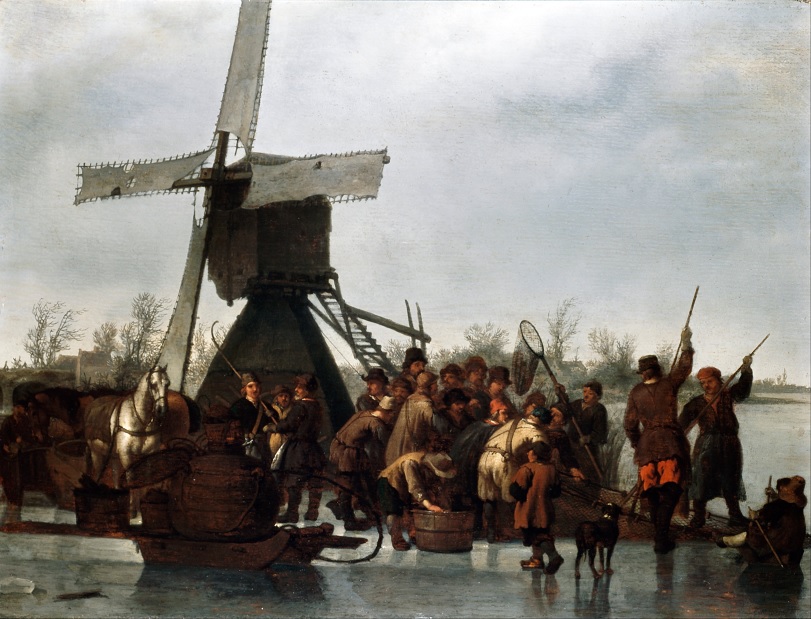
Abraham van Calraet was a Dutch painter from Dordrecht, active during the late 17th century. Although not much is documented about his early training, it is often suggested that he may have studied under the well-known painter Cuyp. This assumption arises from the striking similarities between their works, particularly in their smaller landscapes and atmospheric scenes. Calraet’s handling of light and his subtle colour harmonies frequently resemble the style associated with Cuyp, which has caused ongoing scholarly debate and confusion.
The initials “AC,” used by both artists, have further complicated attributions. In several cases, these shared initials have led to misattributed paintings, sometimes accidental and sometimes deliberate. However, experts generally agree that still-life works bearing the “AC” signature unmistakably belong to Calraet. Likewise, many stable scenes previously credited to Cuyp are now thought to be Calraet’s, based on stylistic evidence and technical analysis.
A number of paintings in London collections, including those in the National Gallery and Dulwich, are signed “AC” and were once attributed to Cuyp. Modern research has reassessed these works, and several are now confidently recognised as the work of Calraet, helping to restore his rightful place among Dutch Golden Age painters.
Lenin participates in affiliate programs. Using links helps fund archiving and scanning work.