Dame Celia Johnson
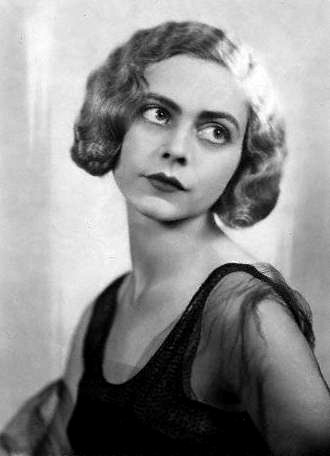
Dame Celia Johnson
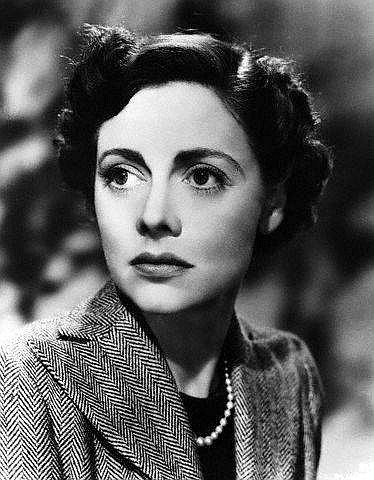
Dame Celia Johnson
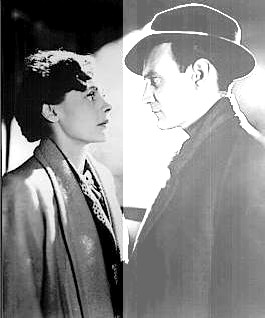
Brief Encounter
Biography / Gallery
Actress
Date of Birth
18 December 1908, Ellerker Gate, Richmond, Surrey, United Kingdom
Birth Name
Celia Elizabeth Johnson
Spouse
Peter Fleming (married 1936 – 9 August 1971, his death). They had three children.
Awards
Knighted as a Dame Commander of the British Empire (DBE) for her outstanding contributions to the theatre.
Date of Death
26 April 1982, Nettlebed, Oxfordshire, England, United Kingdom (died of a stroke).
Biography
Dame Celia Johnson was one of the most respected actresses of her generation. Her career in the British theatre spanned more than fifty years, while her film career stretched from the classic Brief Encounter in 1945 to The Prime of Miss Jean Brodie twenty-three years later.
Despite her enormous success, Celia Johnson was not the most ambitious of actresses. She attended the Royal Academy of Dramatic Art (RADA) after graduating from St Paul's School for Girls, motivated by curiosity rather than career ambition. Happily married for thirty-six years to travel writer Peter Fleming, with whom she had three children, she frequently prioritized her family over her career. This included seriously considering turning down the role in Brief Encounter due to the long time away from home that filming would require.
Stage Career
Celia's stage career witnessed enormous changes in British theatre. She began when the Edwardian theatre actors still dominated the West End, performing in productions such as Cynara with Sir Gerald du Maurier. Later in her career, she performed at the National Theatre, appeared in Ayckbourn's first West End hit Relatively Speaking in 1967, and even walked out of rehearsals at the Royal Court after finding improvisation exercises unsuitable. She worked in theatre until her final days in 1982.
Film Career
In 1941, Celia made a film for the Ministry of Information called A Letter Home. In 1942, she appeared in In Which We Serve as Noel Coward's wife, a role she boldly requested herself. This led to her collaboration with director David Lean in Brief Encounter, based on Coward's play Still Life (1936), part of Tonight at 8:30. The film, featuring Rachmaninoff's Piano Concerto No. 2 and shot largely at Carnforth Station, shared the 1946 Palme d'Or at the Cannes Film Festival and remains a British classic.
Celia Johnson also made significant contributions to radio, recording almost fifty plays, novels, and poems during World War II. Broadcasting allowed her to work in short bursts without disrupting family life, which was vital as she managed a large household during her husband's time abroad.
Famous Roles and Trivia
- She played Laura Jesson in Brief Encounter, one of her most celebrated roles.
- She appeared in All's Well That Ends Well (1981) for BBC Television, a highly praised performance late in her career.
- She was ten months younger than her son-in-law John Mills in This Happy Breed (1944).
- Her brother-in-law was Ian Fleming, creator of James Bond, and her daughters Kate and Lucy inherited the literary estate.
- Daughter Lucy married British actor Simon Williams.
Later Career and Death
After returning to theatre post-childbirth, Celia appeared in twenty-two productions between 1947 and 1982. She continued acting until her final performance in The Understanding with Sir Ralph Richardson in April 1982. On 22 April, she performed in both the matinee and evening shows. The following day, during a game of bridge, she suffered a stroke and passed away a few hours later.
Legacy
Until the very end, Celia Johnson maintained an enviable balance between a happy family life and a successful acting career. Her talent, dedication, and humanity continue to inspire theatre and film enthusiasts around the world.
Links
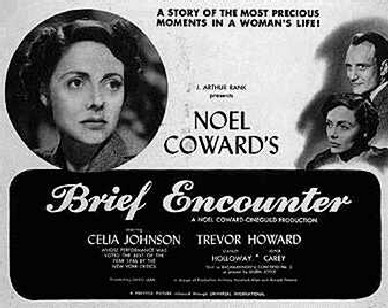


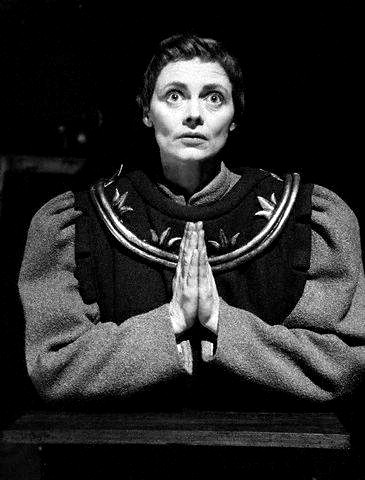


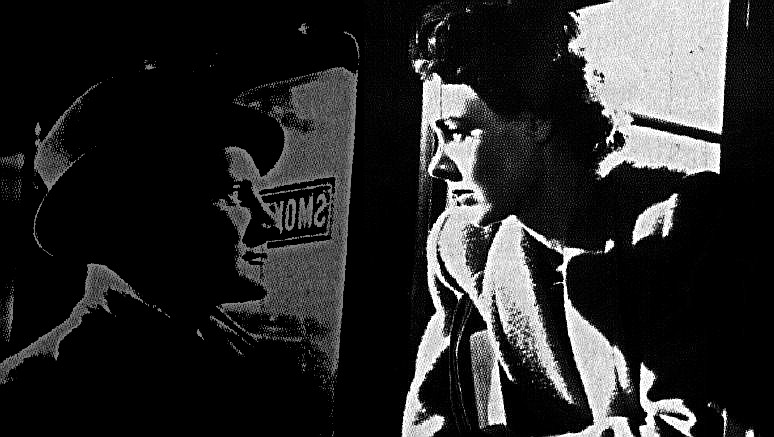
Photo copyright belongs to the respective photographers.
Dame Celia Johnson signed memorabilia @ eBay UK (direct link)