They do pop up from time to time and are always astonishingly beautiful | Lenin is a participant in the eBay (EPN) affiliate advertising program
Biography
1909 - 1997
Early Life
French photographer and painter.
Born: Henriette Theodora Markovitch, November 22, 1907 (some sources say 1909), in Tours, France
Died: July 16, 1997, in Paris, France
Dora Maar was born to a Yugoslavian (Croatian) father, an architect, and a French mother. She spent her childhood in Buenos Aires, Argentina, where her father worked on several significant architectural projects.

Artistic Education
Maar returned to Paris in 1926 and pursued extensive art studies at:
- Union Centrale des Arts Décoratifs (École d'Art Decoratif)
- École de Photographie
- Académie de Passy
- Académie Julian
- Atelier of André Lhote
She adopted the professional name Dora Maar and began her career in photography, working in fashion and advertising while also capturing street scenes.
Surrealist Movement
By the mid-1930s, Maar was deeply involved with the Surrealist movement. She gave up painting for photography and became associated with the Surrealists between 1934 and 1937, forming close ties with André Breton, Paul Éluard, and Georges Bataille.
Her work often explored psychological themes, dreams, and inner states, using innovative darkroom techniques including photomontage and double exposure. She was one of the few female photographers included in major Surrealist exhibitions.
Maar served as a still photographer for Jean Renoir's film "Le Crime de Monsieur Lange" (1936).

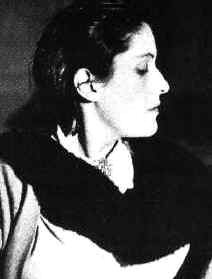
Dora Maar
Meeting Picasso
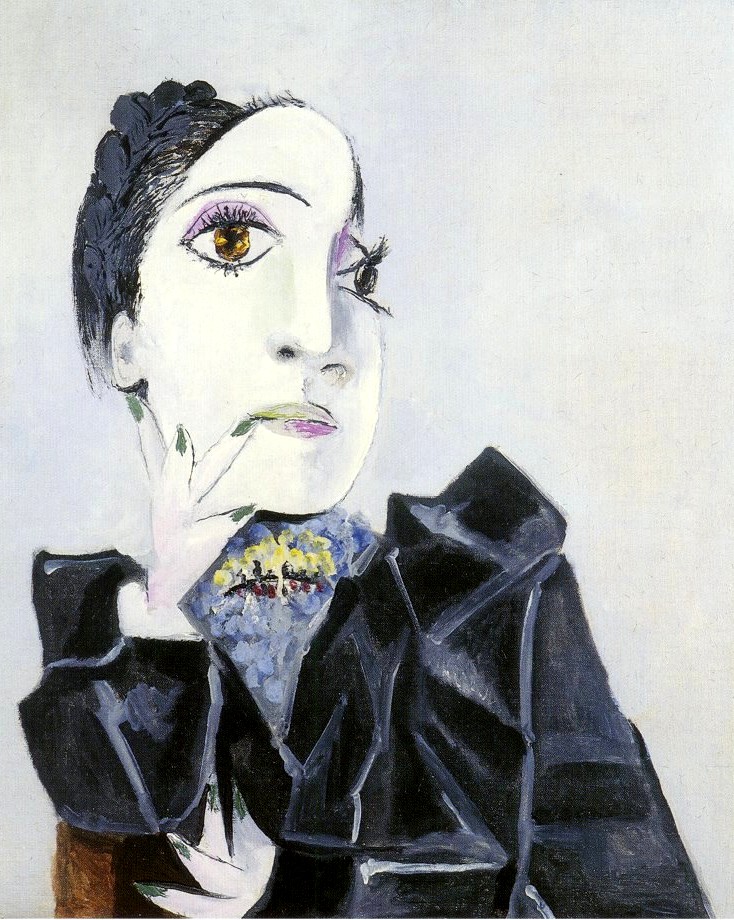
Maar met Pablo Picasso in January 1936 at the terrace of the café "Les Deux Magots" in Saint-Germain-des-Prés. Attracted by her black eyes and jet-black hair, Picasso invested his friend, the famous poet Paul Éluard, to introduce him to this beautiful woman.
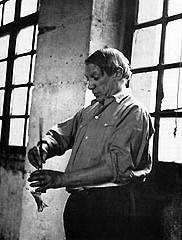
In a famous scene, Dora seduced him by playing with a knife between her fingers and her long red-painted nails—a dangerous game that left blood on her gloves.
Relationship with Picasso
Their relationship was cemented a few weeks later when Picasso invited her to his flat on the rue de la Boétie in March 1936. The relationship lasted nearly nine years, coinciding with the dark period spanning the
Gallery
DORA MAAR
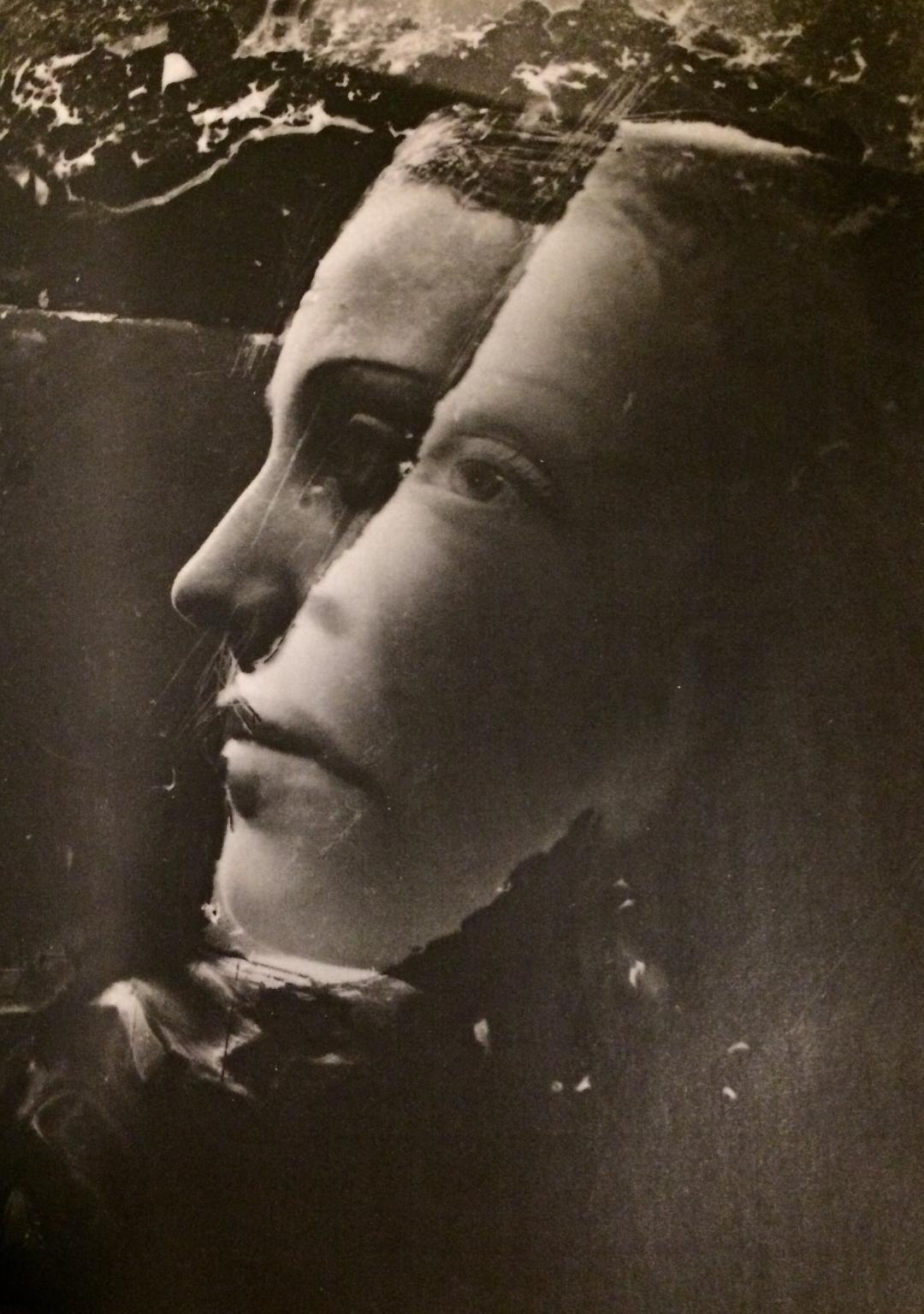
Double Portrait, Paris
c. 1936 (detail)
Gelatin silver print on paper, 29.6 x 23.6 cm
Source: Tate Etc. Magazine, Issue 47, Autumn 2019. Photo © Estate of Dora Maar
This stunning piece was created by combining two negatives of the same model, which Maar then manipulated by painting the background and hat directly onto the negative. The result is a striking image that blends elements of cubism and surrealism, showcasing her innovative techniques and artistic vision.

The Years Lie in Wait for You
1936 (detail)
Gelatin silver print on paper, 35.6 x 25.4 cm
Source: Tate Etc. Magazine, Issue 47, Autumn 2019. Photo © Estate of Dora Maar
This striking photomontage features a portrait of Nusch Éluard, a close friend of Maar, overlaid with a spider web. The image combines two negatives to create a haunting and ethereal effect, exploring themes of time, beauty, and the passage of life.

La Grand Range
1958
Oil paint on canvas, 41 x 33cm
Source: Tate Etc. Magazine, Issue 47, Autumn 2019. Photo © Estate of Dora Maar
This landscape painting showcases Maar's versatility as an artist. The use of color and composition demonstrates her skill in capturing the essence of a landscape while infusing it with her personal style.
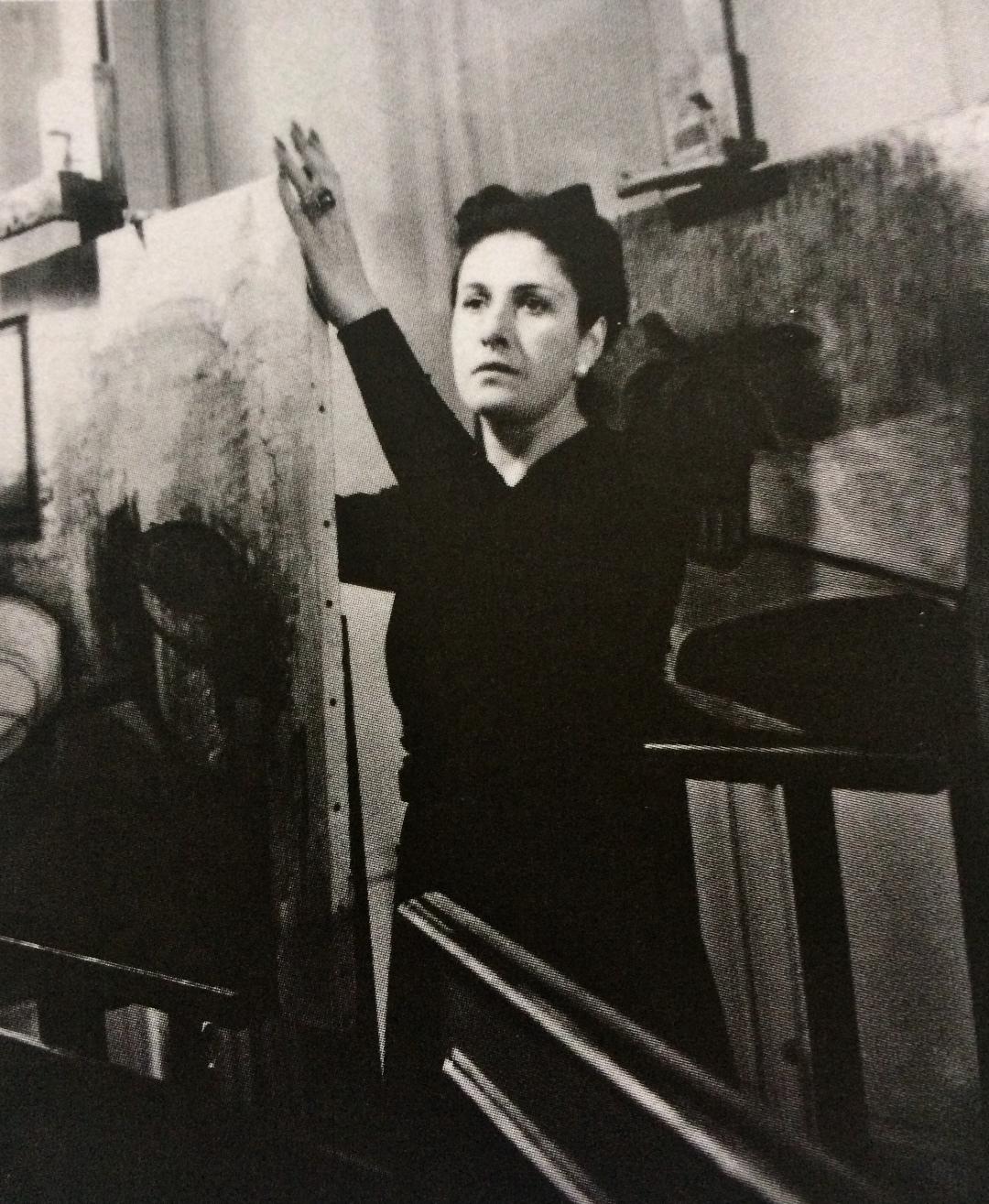
Dora Maar in her studio at 6 rue de Savoire, Paris
c. 1936
Photograph by Cecil Beaton
Source: Tate Etc. Magazine, Issue 47, Autumn 2019. Photo © Cecil Beaton Studio Archive/Sotheby's
This intimate portrait showcases Maar surrounded by her own artwork, highlighting her dual identity as both an artist and a muse.
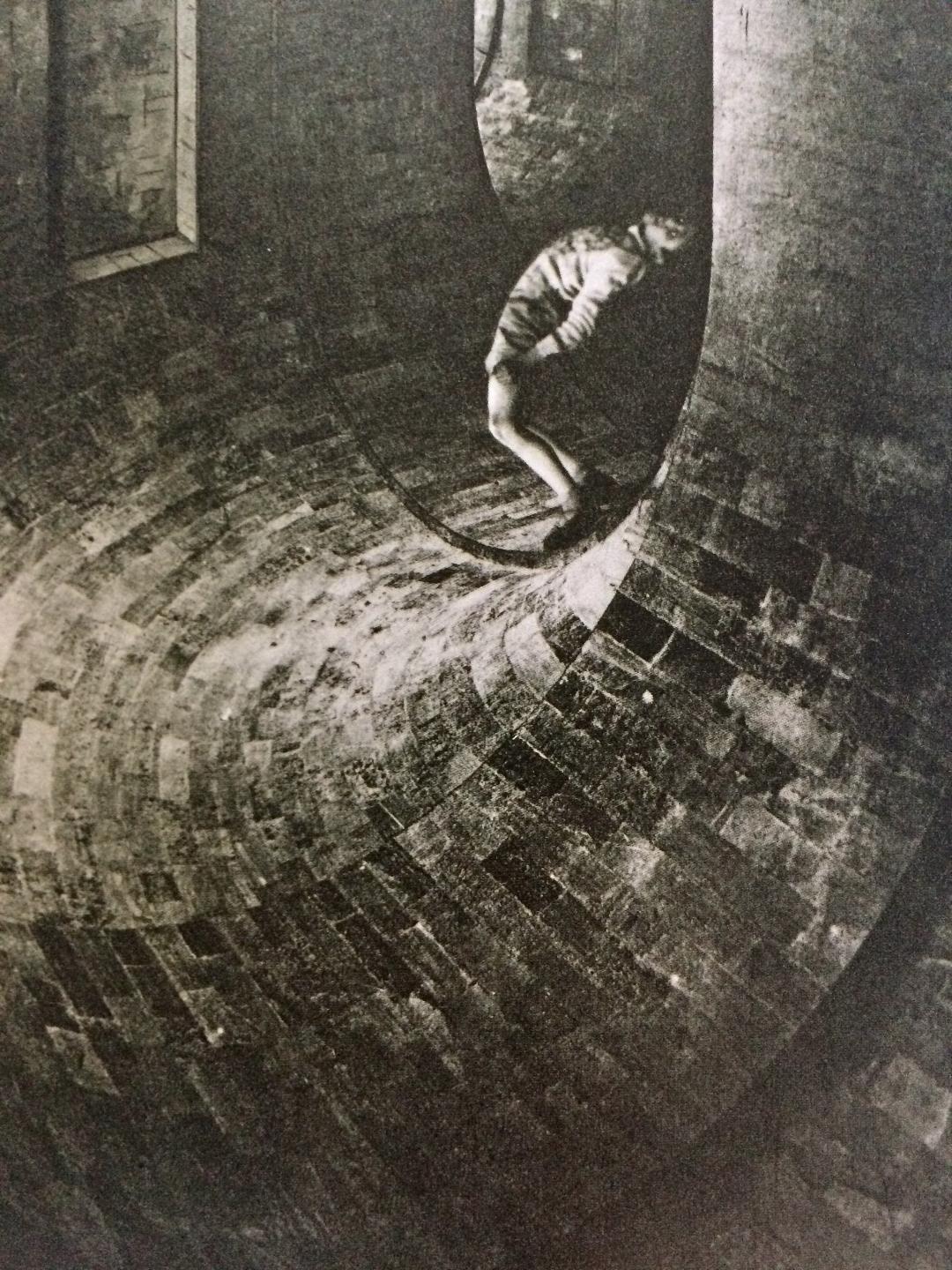
The Simulator (Le Simulateur)
1936
Gelatin silver print on paper, 64 x 56 cm
Source: Tate Etc. Magazine, Issue 47, Autumn 2019. Photo © Estate of Dora Maar
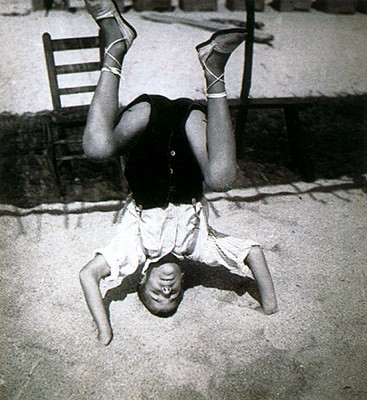
This haunting image features a boy bending sharply backward, echoing the curve of the vaulted ceiling. Maar created this by combining an inverted photograph of the Orangerie at Versailles with a street photograph. She scratched out the figure's eyes, aligning with Surrealism's association of blindness with inner vision. One of her most enduring and emblematic works.
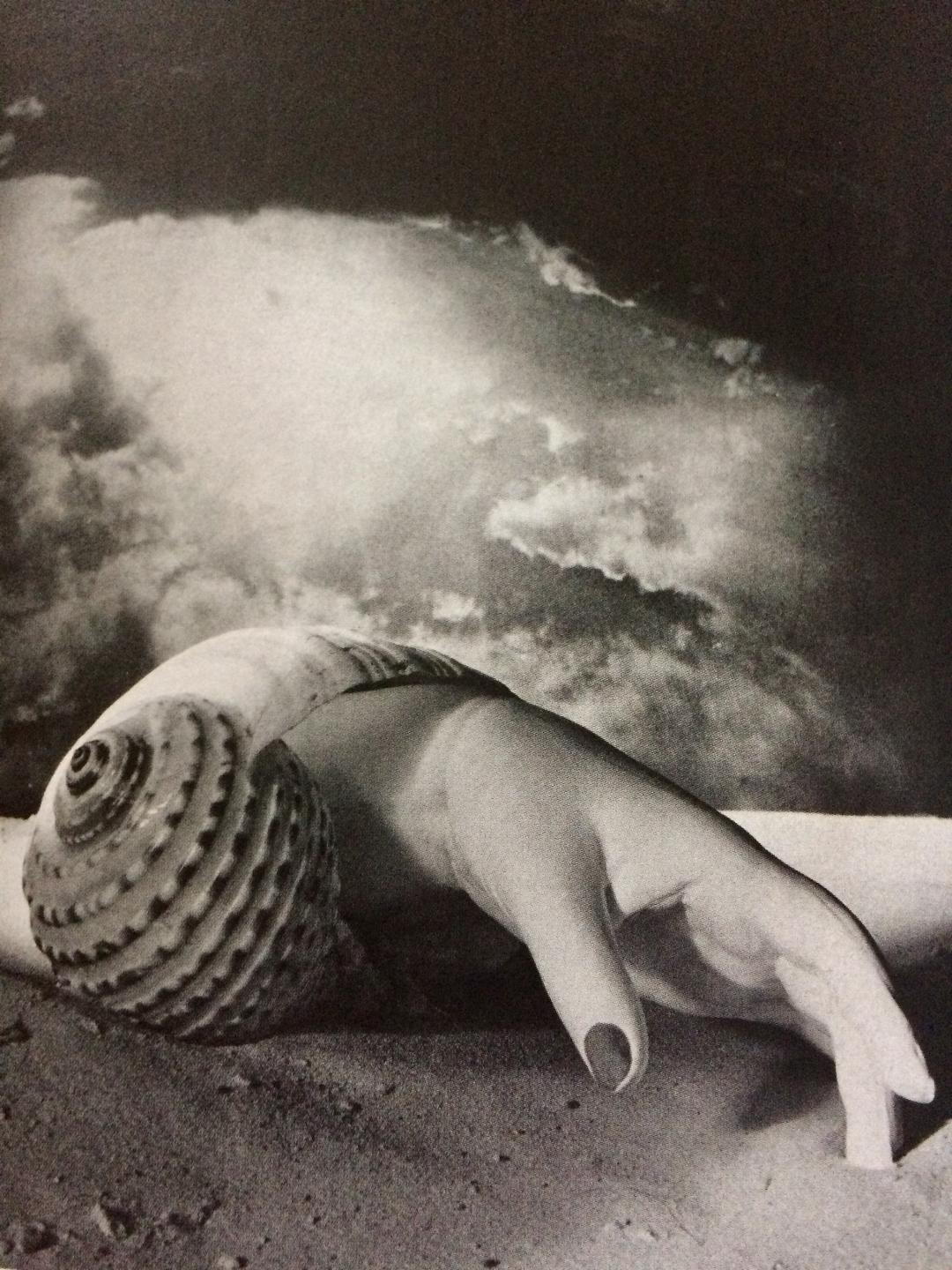
Untitled (Hand-Shell)
1934
Gelatin silver print on paper, 40.1 x 28.9 cm
Source: Tate Etc. Magazine, Issue 47, Autumn 2019. Photo © Estate of Dora Maar
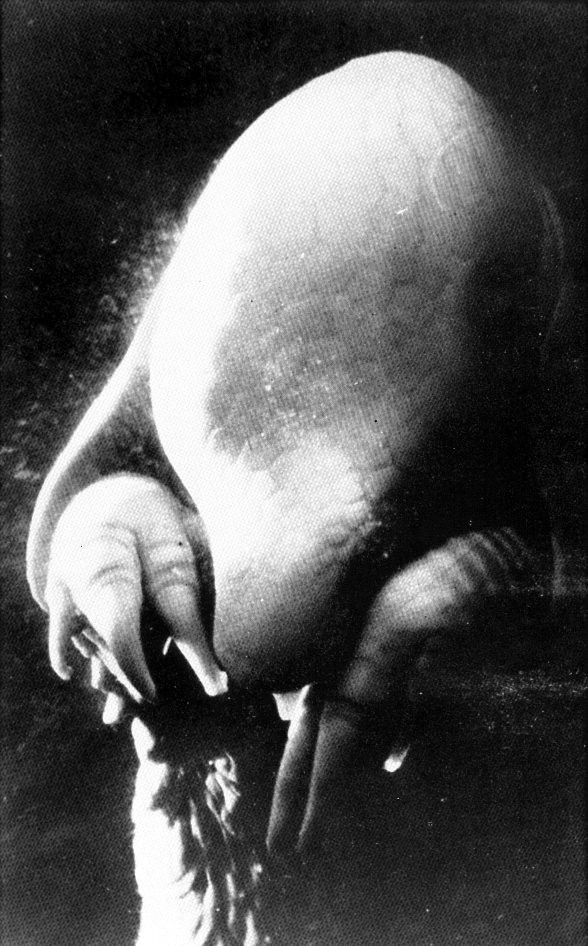
Classic Dora Maar! This photomontage features a perfectly manicured hand emerging from a shell, creating a dreamlike and uncanny image. If there's one original photo I wish I owned, it is this. Sublime.

Model in a Swimsuit
1934
Gelatin silver print on paper, 19.7 x 16.7 cm
Source: Tate Etc. Magazine, Issue 47, Autumn 2019. Photo © Estate of Dora Maar
A striking example of her surrealist approach to fashion photography. Maar superimposed two different negatives—one of the model and one of a pool—creating a surreal composition where the model appears to float unencumbered.
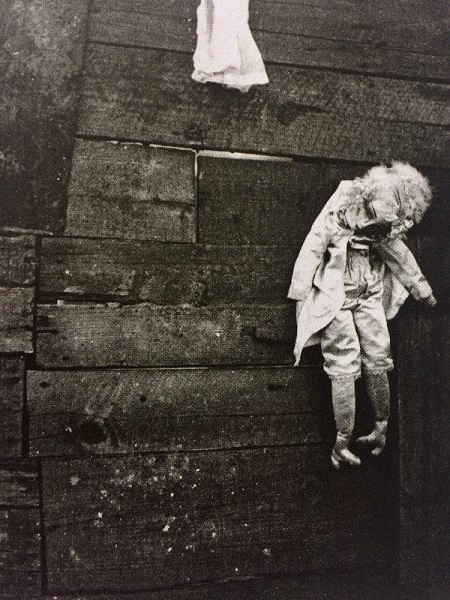
Puppet Attached to a Wooden Fence
1934
Gelatin silver print on paper, 27.3 x 23.2 cm
Source: Tate Etc. Magazine, Issue 47, Autumn 2019. Photo © Estate of Dora Maar
A compelling example of her surrealist work featuring a puppet eerily suspended on a wooden fence. The lifeless form contrasts sharply with the everyday setting, highlighting themes of isolation and the uncanny.
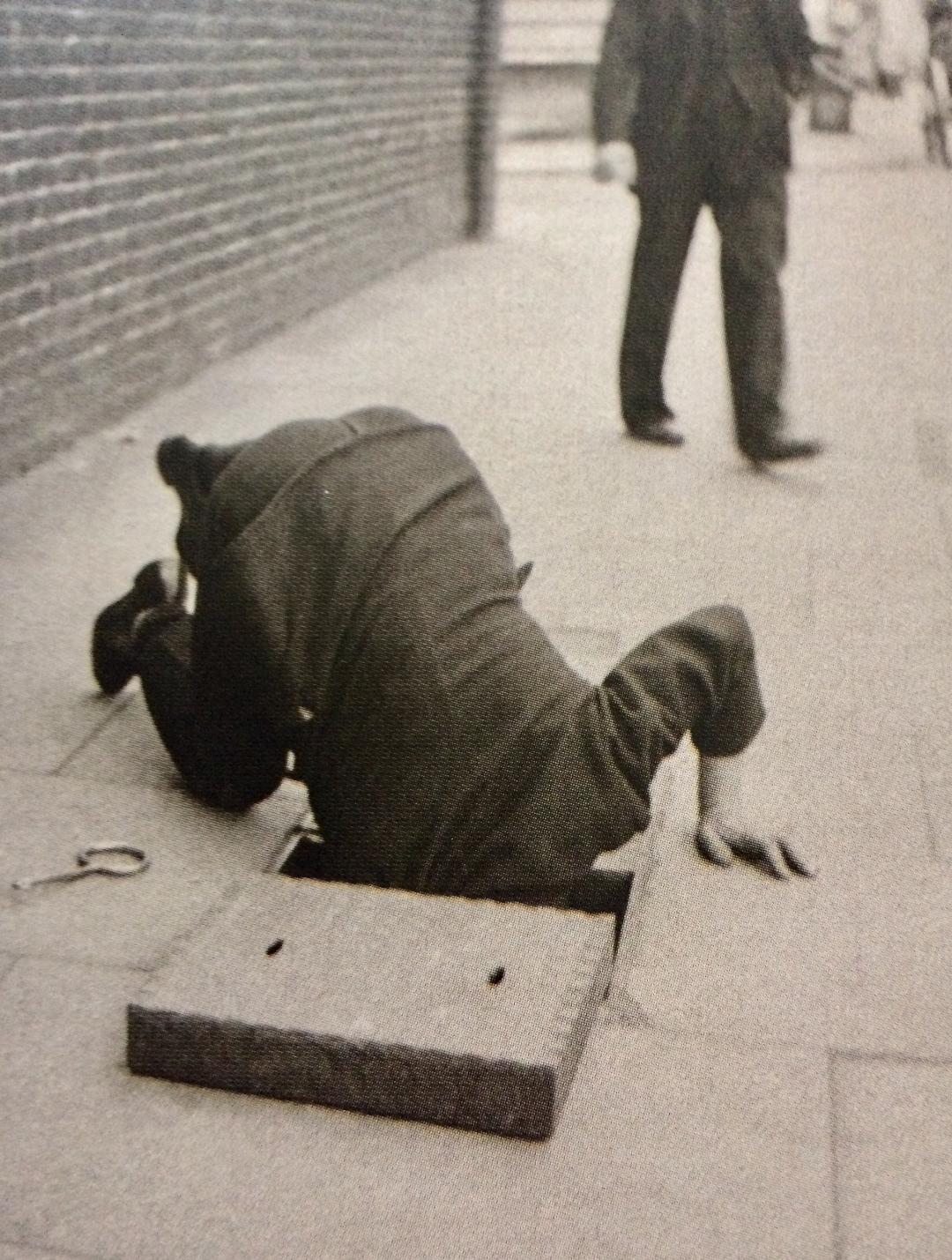
Man Looking inside a sidewalk inspection door, London
c. 1935
Gelatin silver print on paper, 30.5 x 23.8 cm
Source: Tate Etc. Magazine, Issue 47, Autumn 2019. Photo © Estate of Dora Maar
A compelling example of her surrealist approach to street photography, capturing a man in an unusual and almost absurd position, as if peering into a hidden world or portal to the unknown.
Additional Works
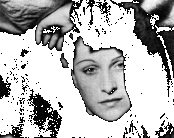
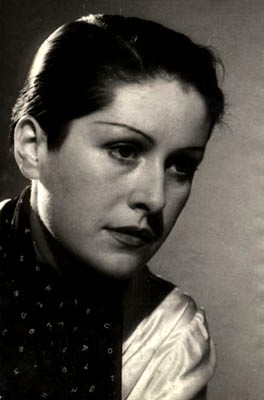





Dora Maar's groundbreaking photographic work spanning her career from the 1930s through the 1950s continues to inspire and influence contemporary artists.