Faye Dunaway

Faye Dunaway
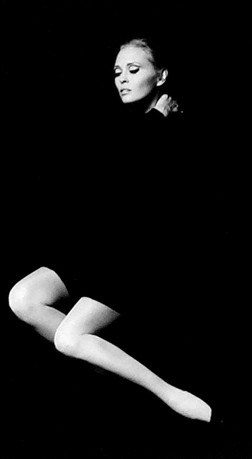
Faye Dunaway

Faye Dunaway
Faye Dunaway – Iconic Actress (F)
Biography / Gallery
Lenin is a participant in the eBay (EPN) affiliate advertising program.
Early Life and Training
Faye Dunaway was born on January 14, 1941, in Bascom, Florida. The daughter of a career army officer, she spent much of her childhood moving between military bases in the United States and Europe. Dunaway studied theatre arts at Boston University before joining the prestigious Lincoln Center Repertory Company in New York under the direction of Elia Kazan and Robert Whitehead.
Between 1962 and 1967, she appeared in a number of notable stage productions, including A Man for All Seasons and Arthur Miller’s After the Fall, in which she portrayed a character inspired by Marilyn Monroe. Her breakthrough stage performance came in the off-Broadway production of Hogan’s Goat, which led to a contract with director Otto Preminger.
Breakthrough and Stardom
Dunaway made her film debut in Preminger’s 1967 drama Hurry Sundown. After a turbulent working relationship and a legal dispute that allowed her to exit her contract, she appeared in The Happening (1967). Although still relatively unknown, she accepted the role of Bonnie Parker opposite Warren Beatty in Arthur Penn’s Bonnie and Clyde (1967).
The film became one of the most influential movies of its era and turned Dunaway into an international star almost overnight. Her performance earned her an Academy Award nomination for Best Actress. She followed this success with another iconic role opposite Steve McQueen in The Thomas Crown Affair (1968).
Career Highs of the 1970s
After a mixed period that included films such as Amanti, The Arrangement, and Puzzle of a Downfall Child, Dunaway regained momentum in the early 1970s. She returned to the stage in Harold Pinter’s Old Times and appeared in television productions before re-establishing herself in cinema.
Her role in Roman Polanski’s noir classic Chinatown (1974) is widely regarded as one of her finest performances and earned her a second Academy Award nomination. The same year, she appeared in the blockbuster disaster film The Towering Inferno. She continued her run of success with Three Days of the Condor (1975) opposite Robert Redford.
In 1976, Dunaway starred as ruthless television executive Diana Christensen in Sidney Lumet’s Network. The performance earned her the Academy Award for Best Actress and remains one of the most celebrated roles in film history.
Later Film, Television, and Stage Work
Following her Oscar win, Dunaway appeared in a wide range of projects, including Voyage of the Damned, The Disappearance of Aimee, and the controversial biopic Mommie Dearest (1981), in which she portrayed Joan Crawford. Although the film received mixed reviews on release, it later achieved cult status.
Throughout the 1980s and 1990s, Dunaway worked extensively in film, television, and theatre. Notable projects included Barfly (1987), The Two Jakes (1990), Don Juan DeMarco (1995), Albino Alligator (1996), and a cameo appearance in the 1999 remake of The Thomas Crown Affair.
Later Career and Legacy (2000–2025)
From the 2000s onward, Dunaway continued to appear selectively in film, television, and theatre, often in character roles. She received renewed critical attention for her stage work and for later screen appearances, including roles in independent films and television dramas.
In recognition of her contribution to cinema, Dunaway has received numerous lifetime achievement honours, including awards from international film festivals and industry organisations. By 2025, she is widely regarded as one of the defining actresses of the New Hollywood era, with performances in Bonnie and Clyde, Chinatown, and Network considered essential works of twentieth-century cinema.
Faye Dunaway’s career spans more than six decades, encompassing landmark films, stage performances, and an enduring cultural legacy that continues to influence contemporary cinema.
Links
Lenin is a participant in the eBay (EPN) affiliate advertising program.



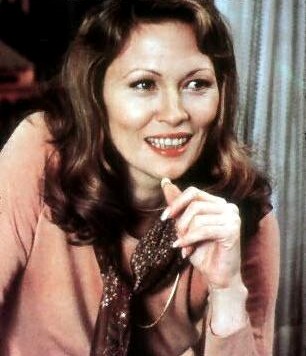


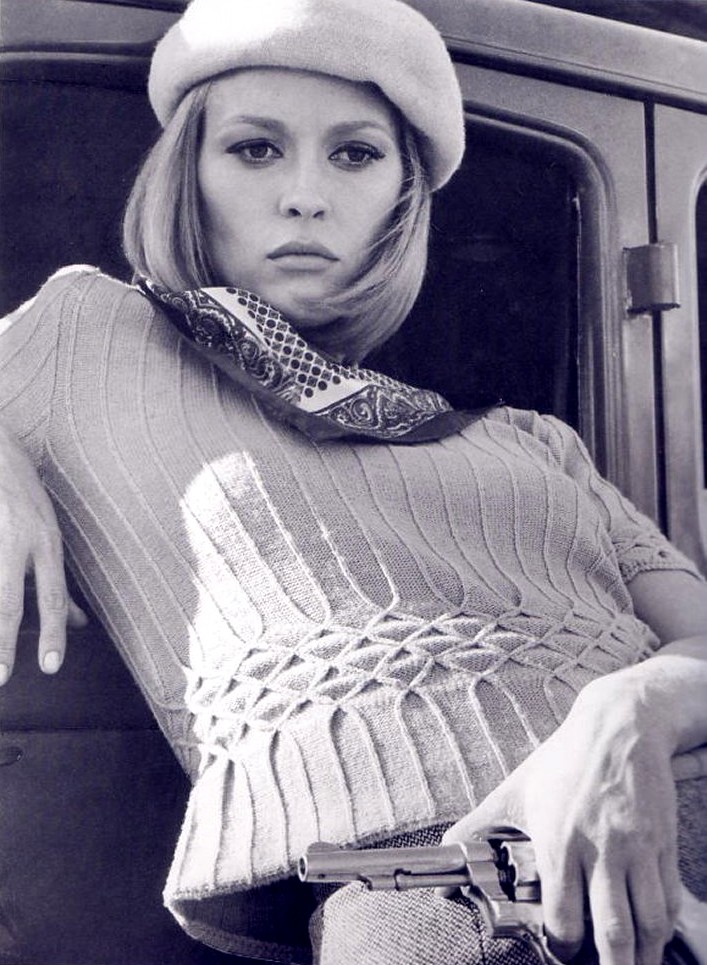


Photo c. belongs to the various photographers
Faye Dunaway signed memorabilia @ ebay.co.uk (direct link to autographs)