Highgate Cemetery
Highgate Cemetery
Highgate Cemetery
Highgate Cemetery
About / Gallery
Highgate Cemetery: London’s Victorian Necropolis
Highgate Cemetery opened in 1839 as part of a wave of new burial grounds created to relieve overcrowded churchyards across growing London. The Western Cemetery was designed with winding paths, grand monuments, catacombs and trees, aiming to give the dead a peaceful and landscaped final resting place. With Gothic arches, Egyptian-style vaults, obelisks, and stone mausoleums, the cemetery was an expression of Victorian funerary art at its most extravagant.
The Western Cemetery: Overgrown Beauty & Haunted Atmosphere
Over time, nature and neglect have reclaimed much of the Western Cemetery. Ivy creeps over crumbling headstones, tombs show signs of decay, branches weave through monuments, and shadows fall across moss-covered statues. This evocative decay is part of its haunting charm, where the grandeur of Victorian ambition meets the quiet persistence of time.
Iconic Features: What Makes Highgate So Unique
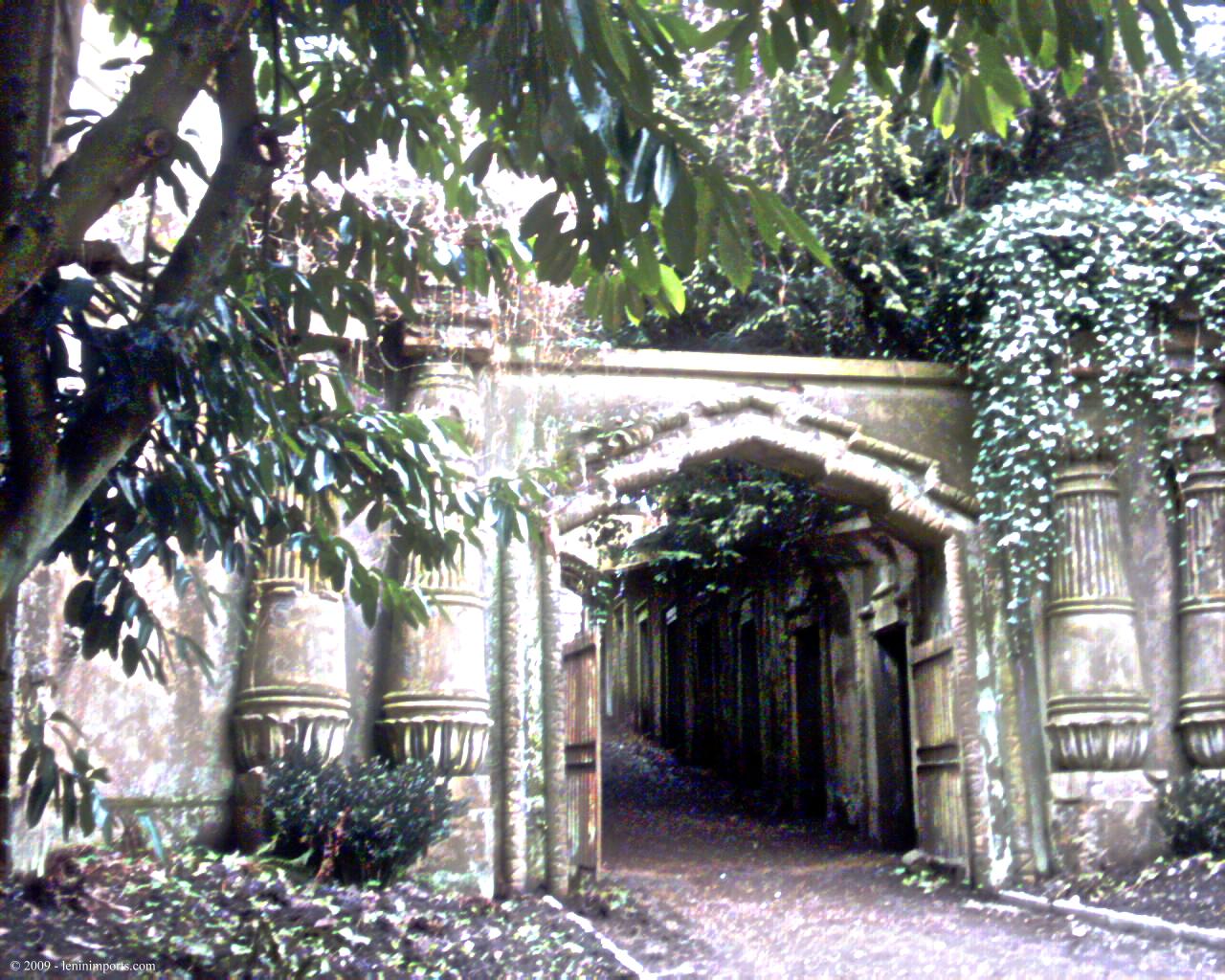
- Egyptian Avenue – A dramatic, vaulted tunnel lined with stone coffins and vaults, flanked by obelisks and Egyptian-style architecture.
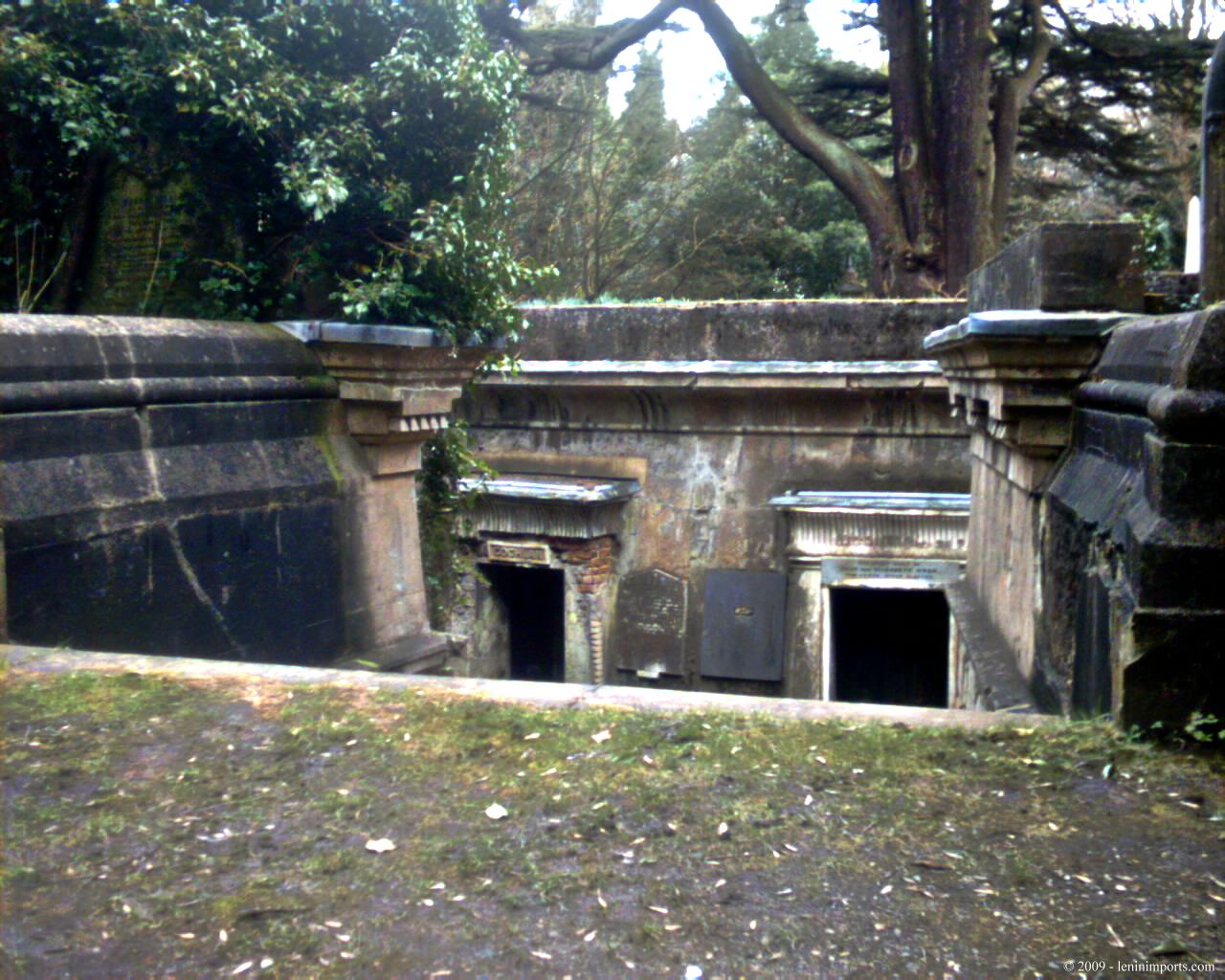
- Circle of Lebanon – A circular ring of catacombs set around a famous cedar tree, surrounded by mausoleums, providing one of the most atmospheric parts of the cemetery.
- Majestic Mausoleums & Memorials – Classic Egyptian or Gothic-style crypts, grand family tombs, and elaborate monuments showcase the opulence and artistry of the 19th century.
Resting Places of Famous & Forgotten Souls
Highgate Cemetery is home to a wide range of historic and modern figures:
- The scientist Michael Faraday.
- Poet Christina Rossetti, and Elizabeth Siddal, her Pre-Raphaelite muse, whose coffin was later exhumed to retrieve buried poems.
- Bare-knuckle boxer Thomas Sayers (1826–1865), marked with a statue of his loyal dog “Lion.”
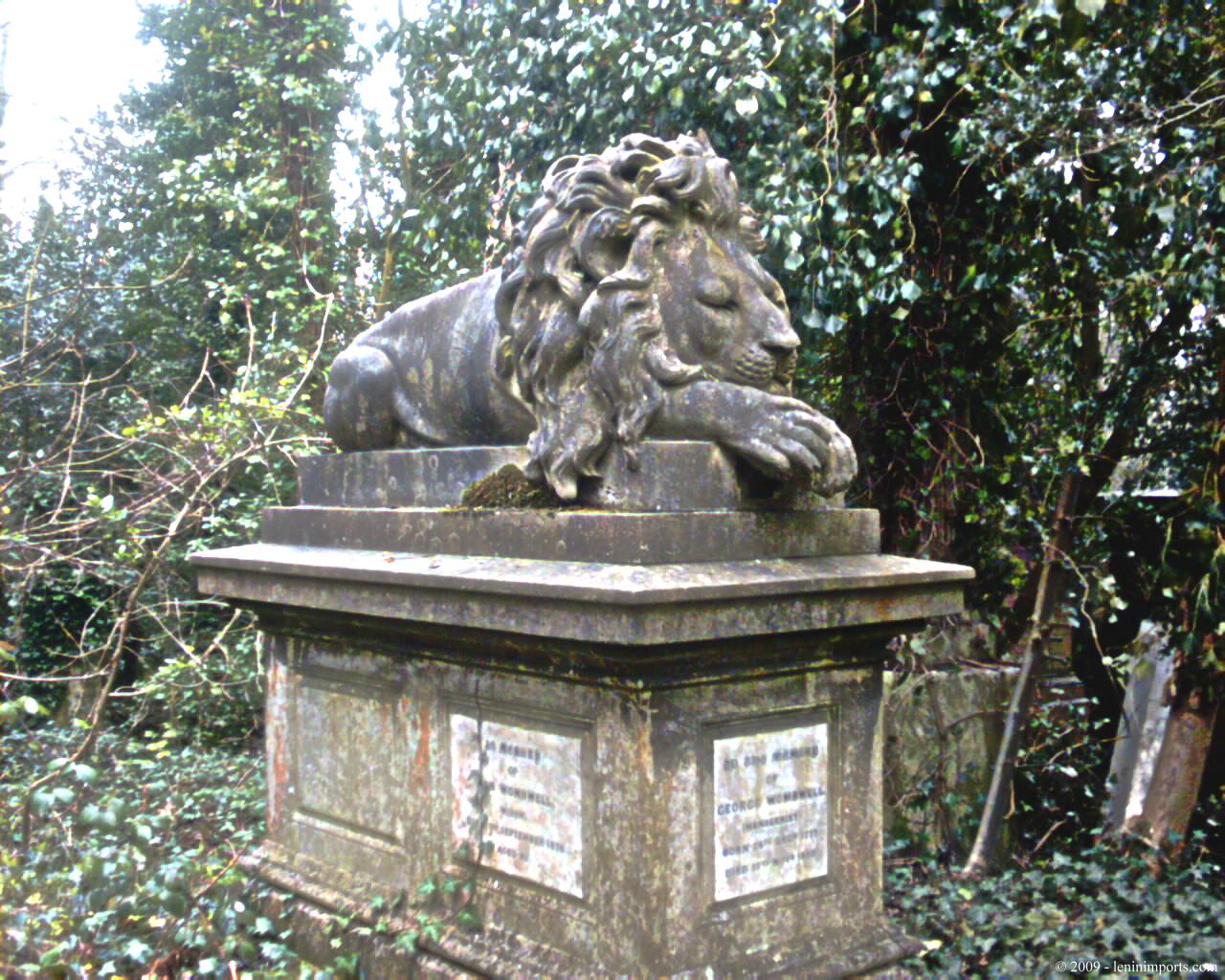
- Exotic animal showman George Wombwell, memorialized with a lion statue.
- Pop legend George Michael, buried alongside his mother and sister.
- The poisoned Russian spy Alexander Litvinenko’s memorial is nearby (though not confirmed inside the Western Cemetery itself).
Misplaced Legends & Clarifying Facts
Although many associate Highgate with Karl Marx, his grave is actually in the Eastern Cemetery, across Swain’s Lane. Elizabeth Siddal’s exhumation is a true story: her coffin was opened to retrieve a book of poems buried with her by Dante Gabriel Rossetti. The poems were later published and remain part of literary history.
Why It’s a Photographer’s Dream
Highgate Western Cemetery is unmatched for photographers, writers, and lovers of the gothic. Crumbled monuments framed by ivy, moss-covered crypts, and shafts of light among trees create compelling scenes of melancholic beauty. Nature and time have reshaped the cemetery, leaving open crypts, cracked stones, leaning mausoleums, and hidden vaults — creating a living history of Victorian death, modern memory, and the inexorable passage of time.
Featured Monuments Photographed
- Circle of Lebanon
- Entrance to the Egyptian Avenue
- Wombwell Monument
- Thomas Sayers’ Grave with his faithful dog
- Various catacombs and historic Victorian monuments
Links


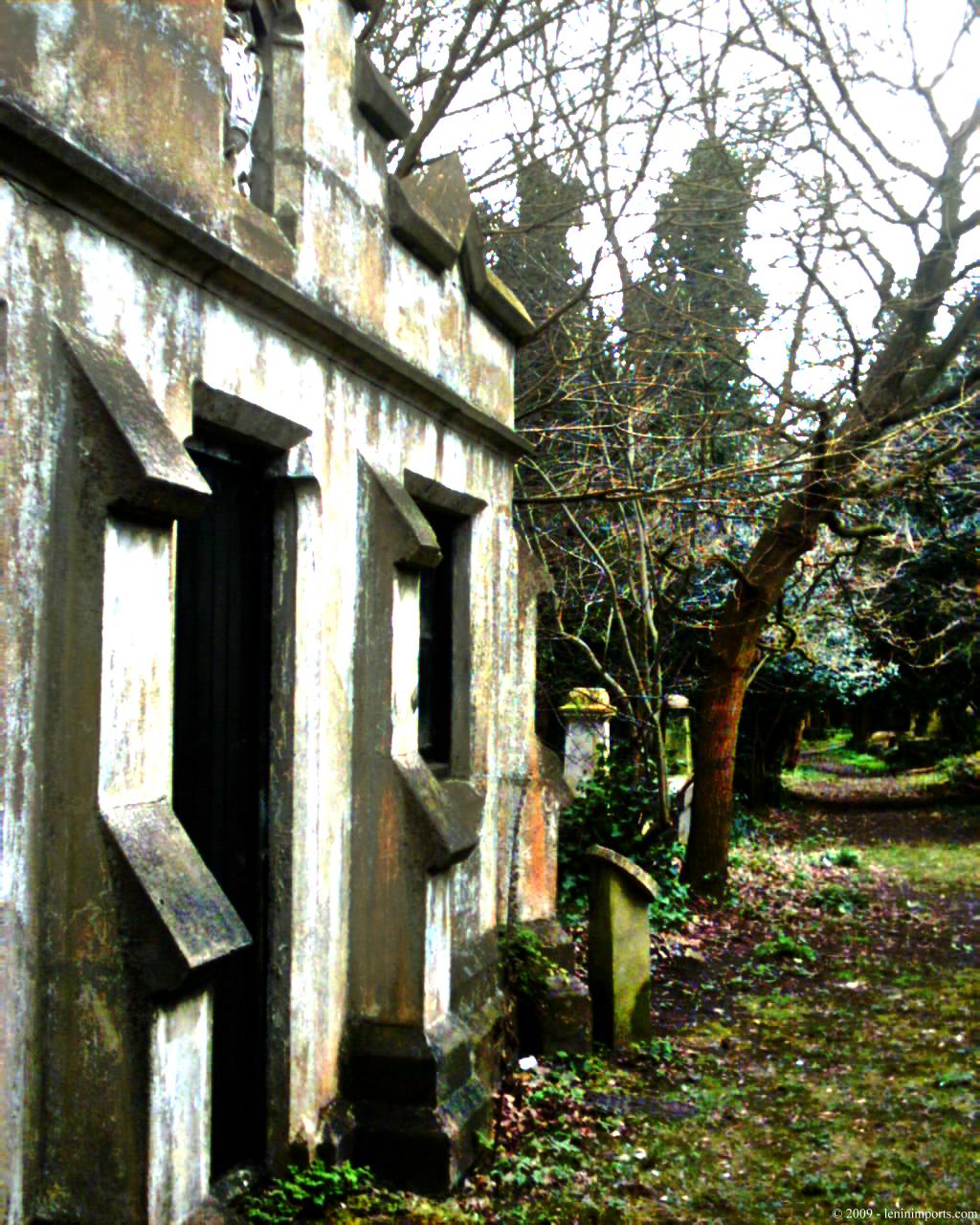
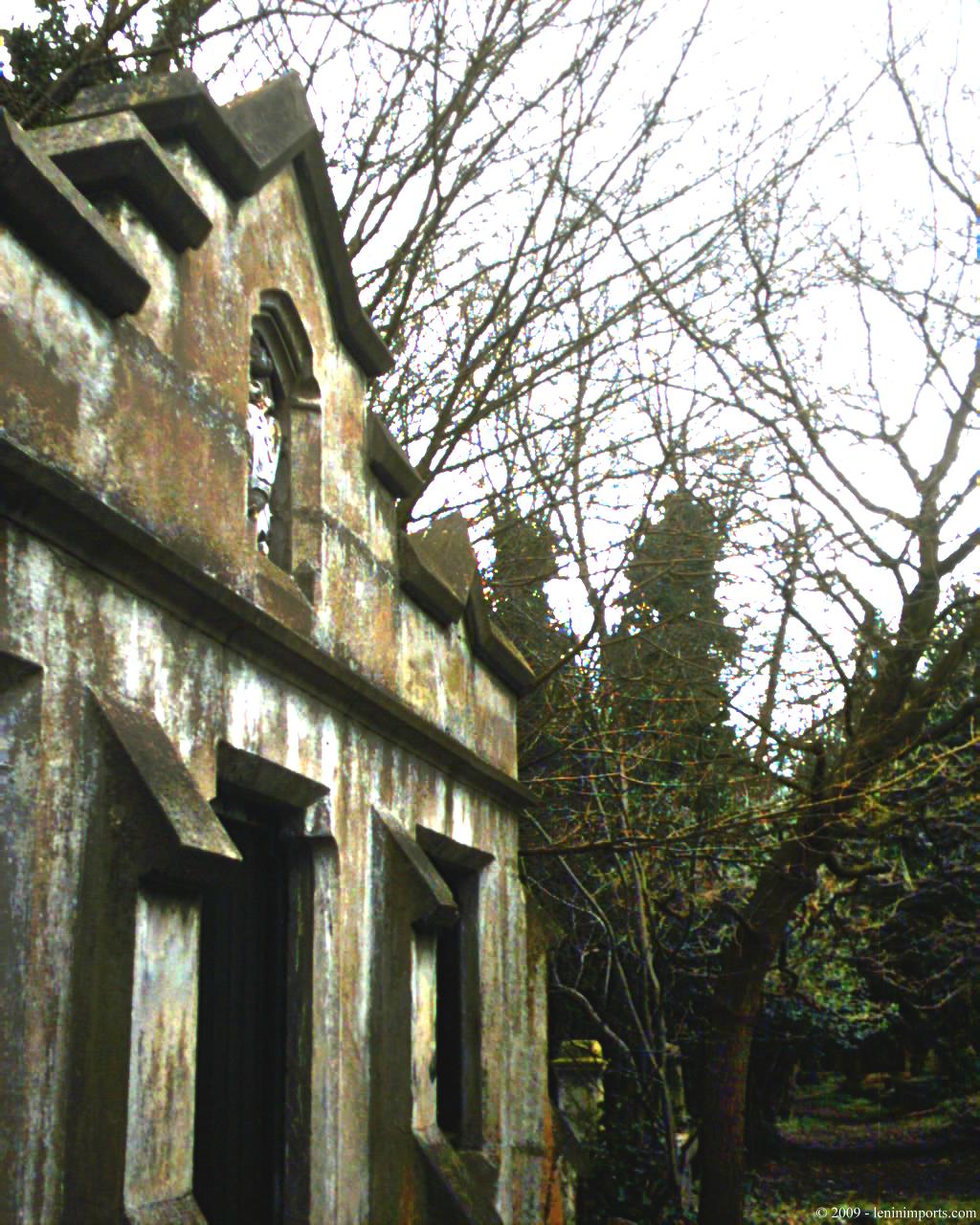






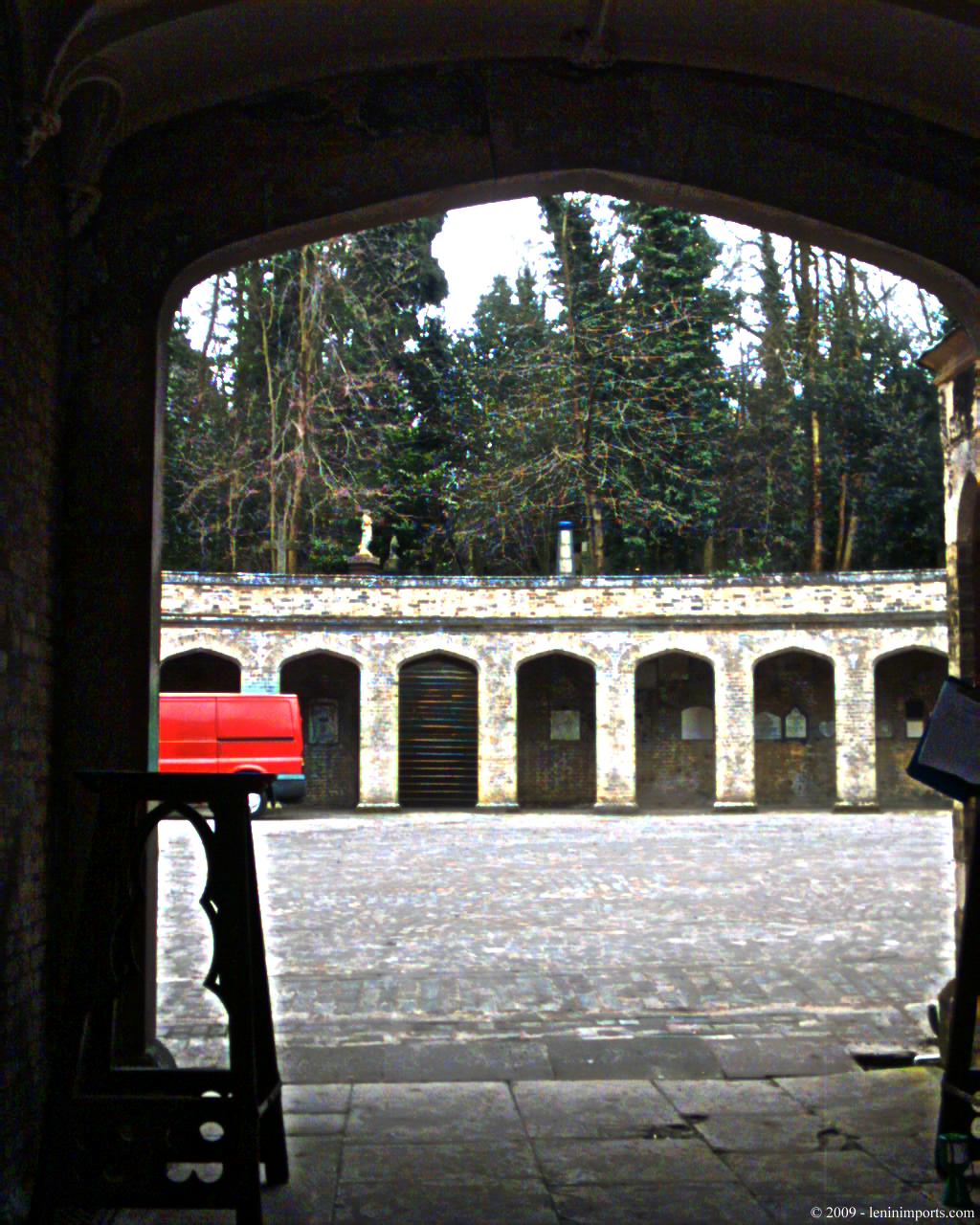


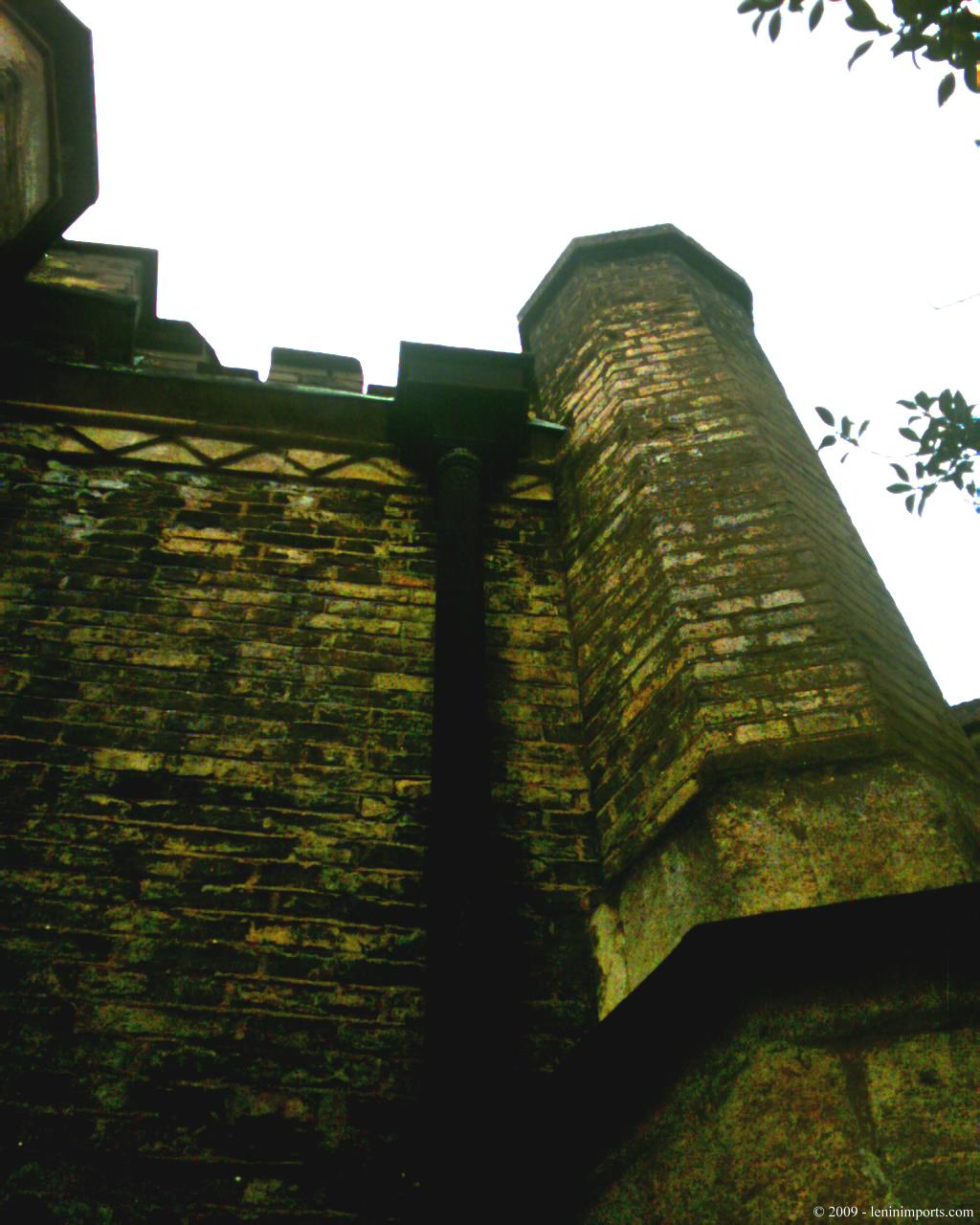


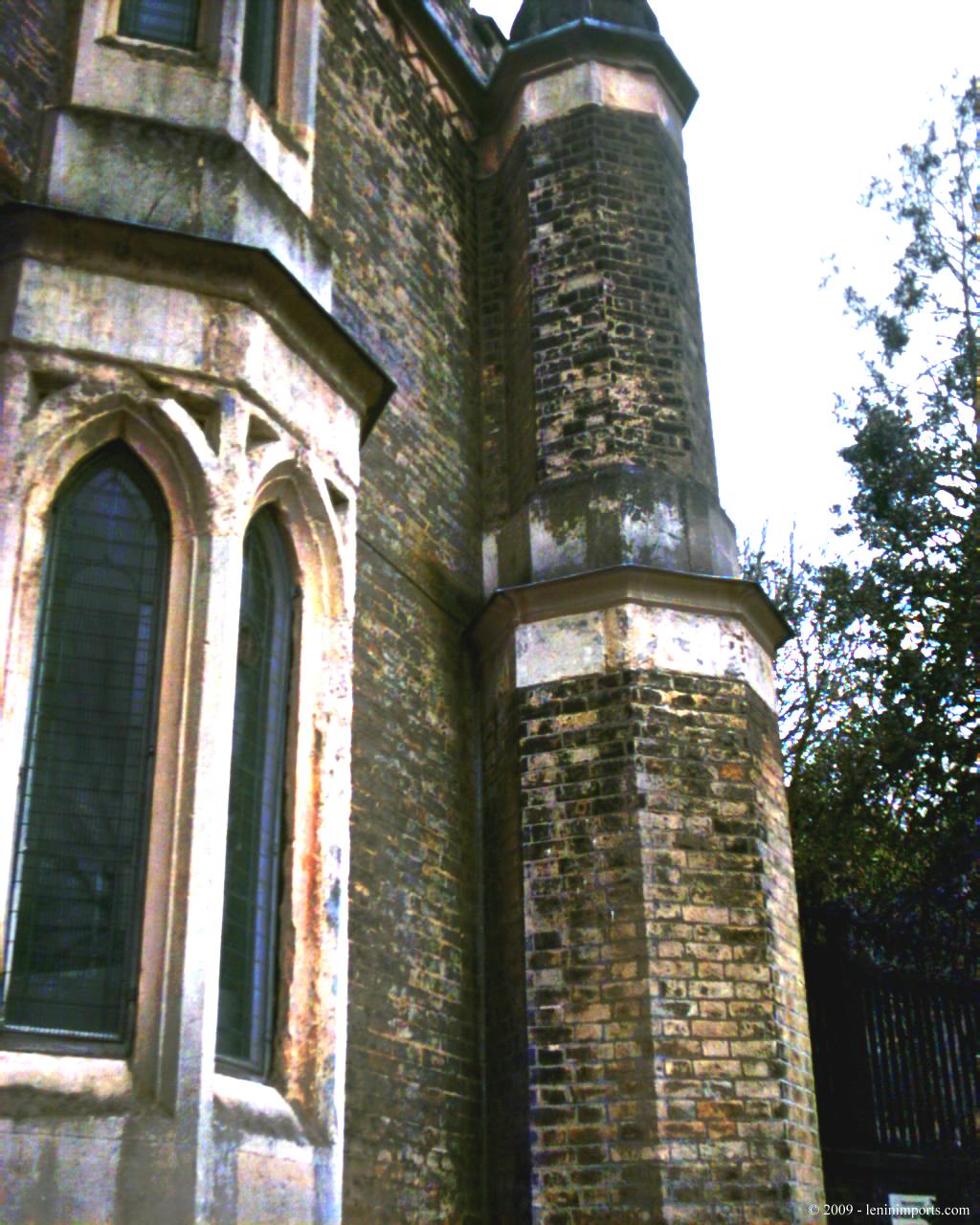

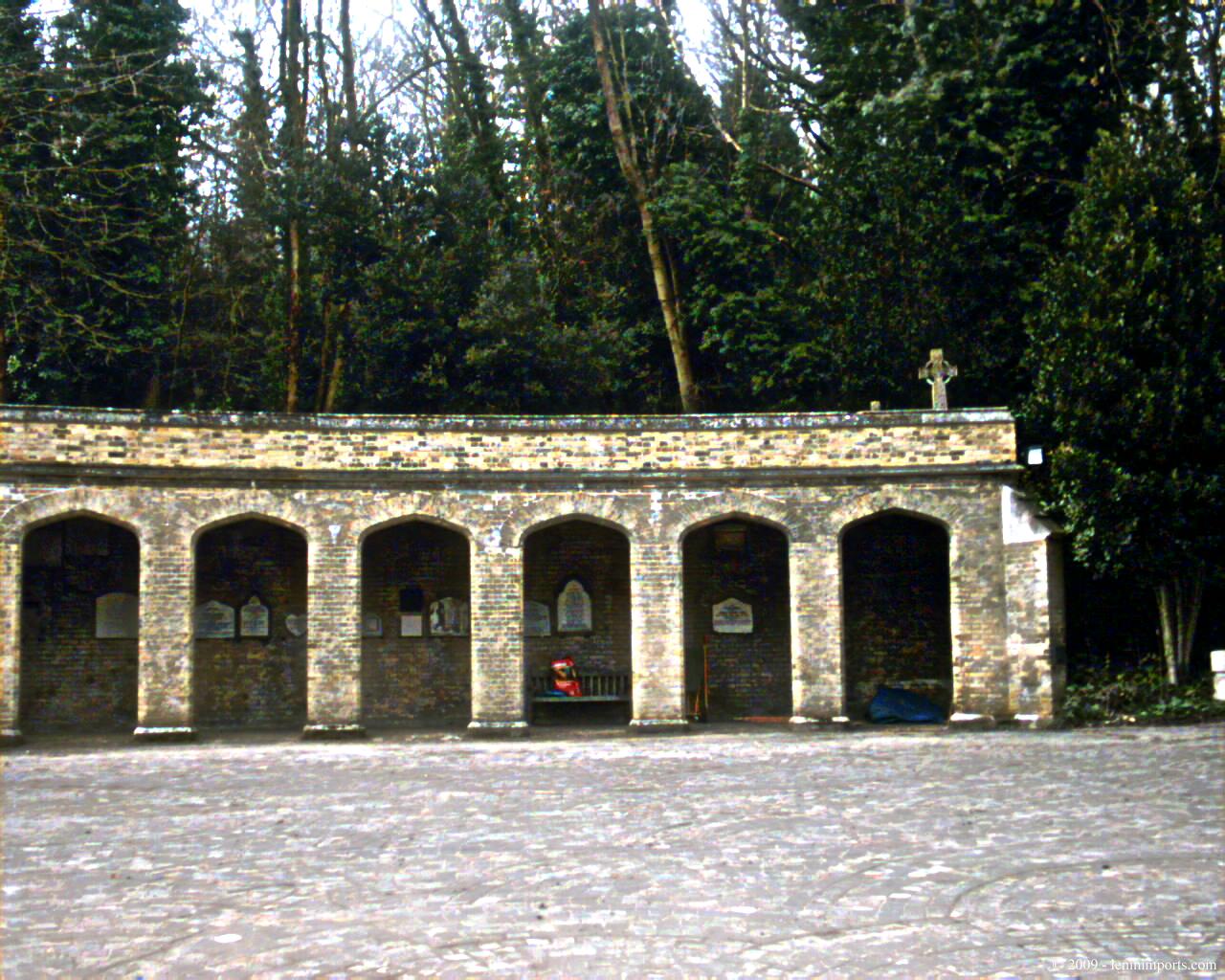


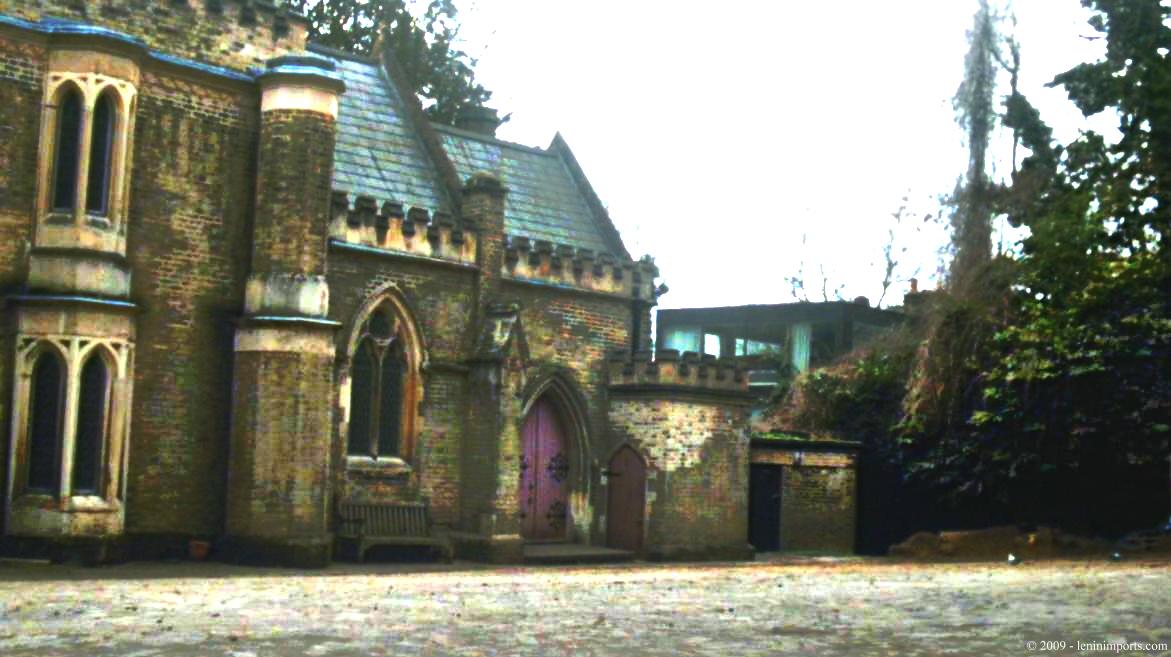


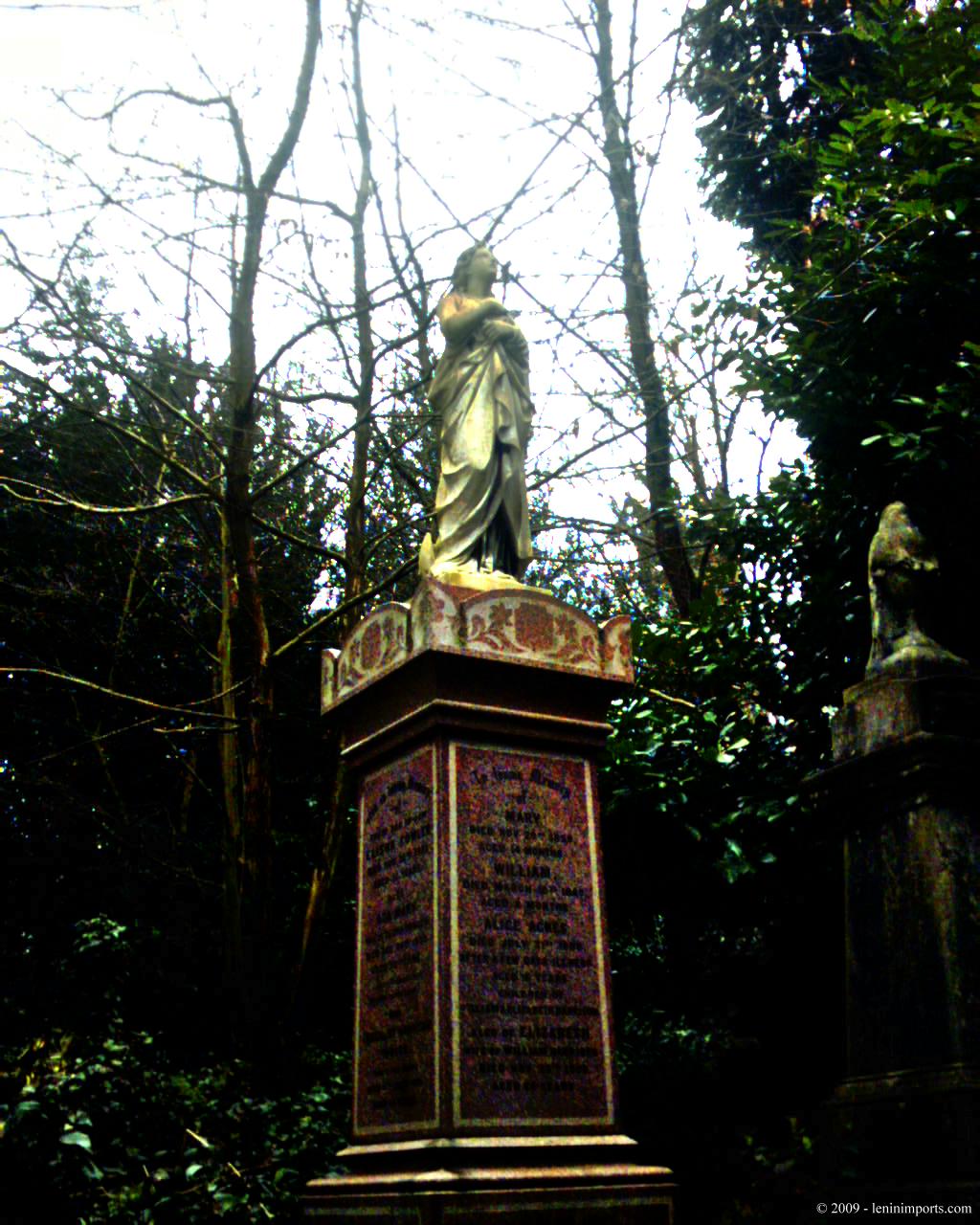


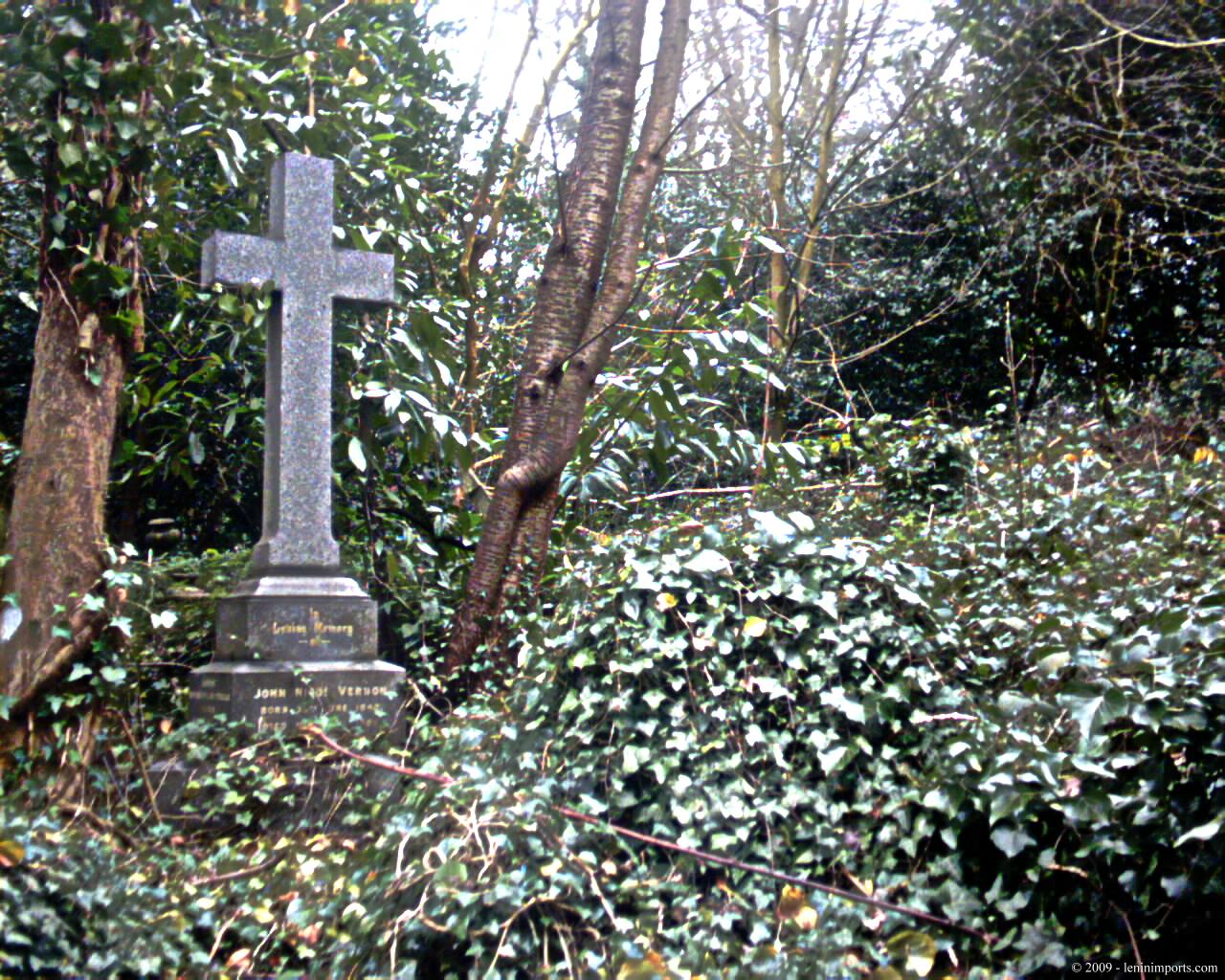


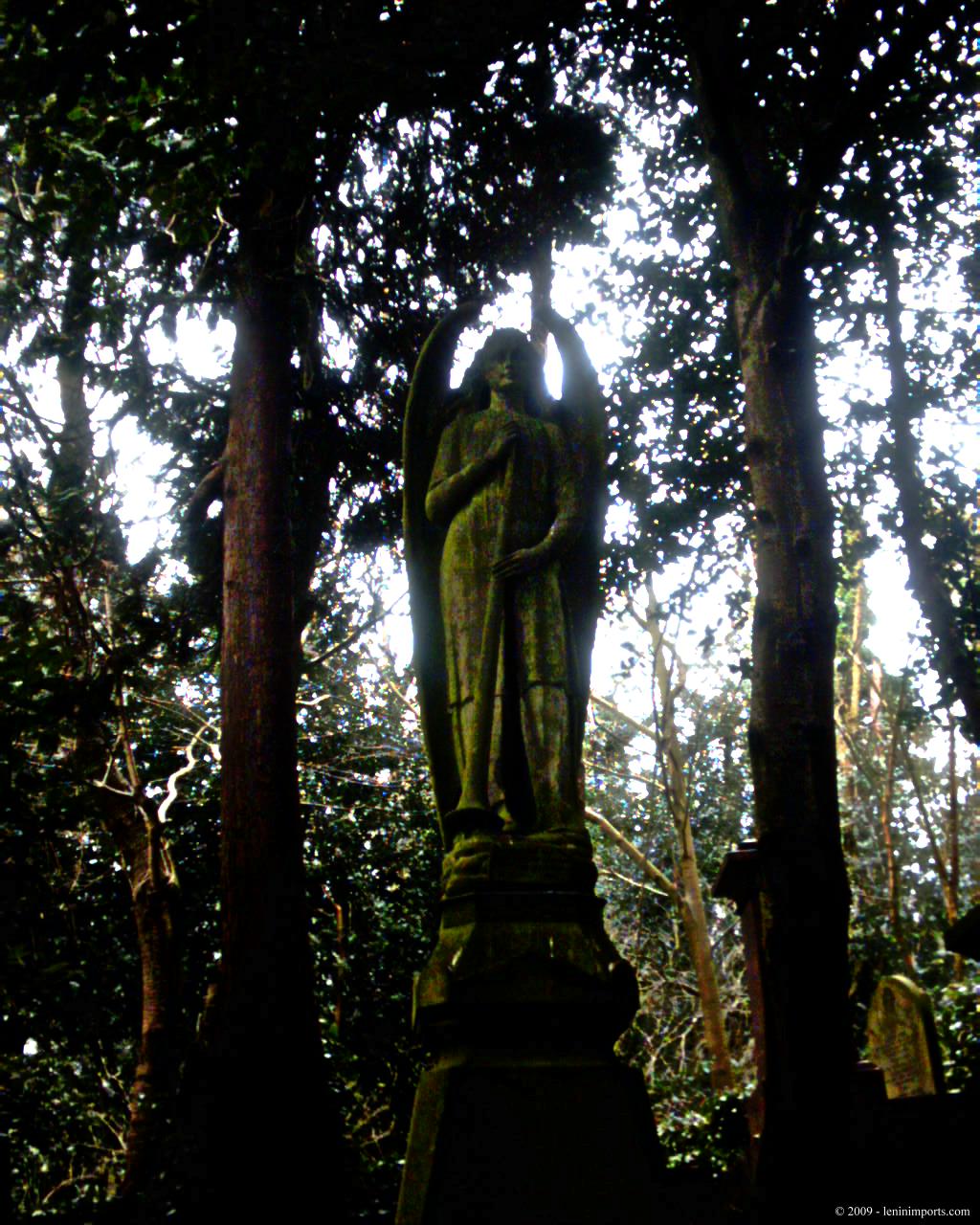


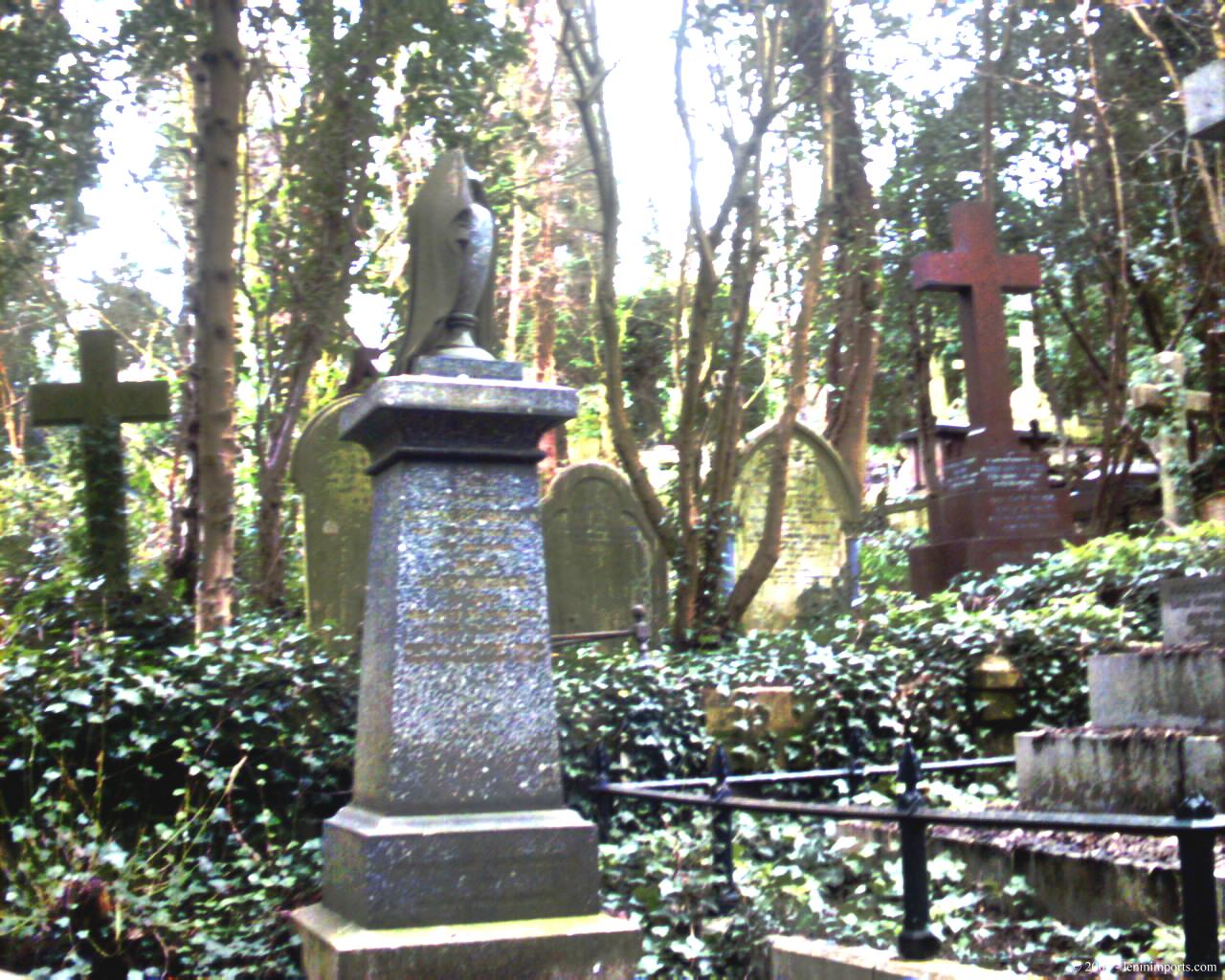


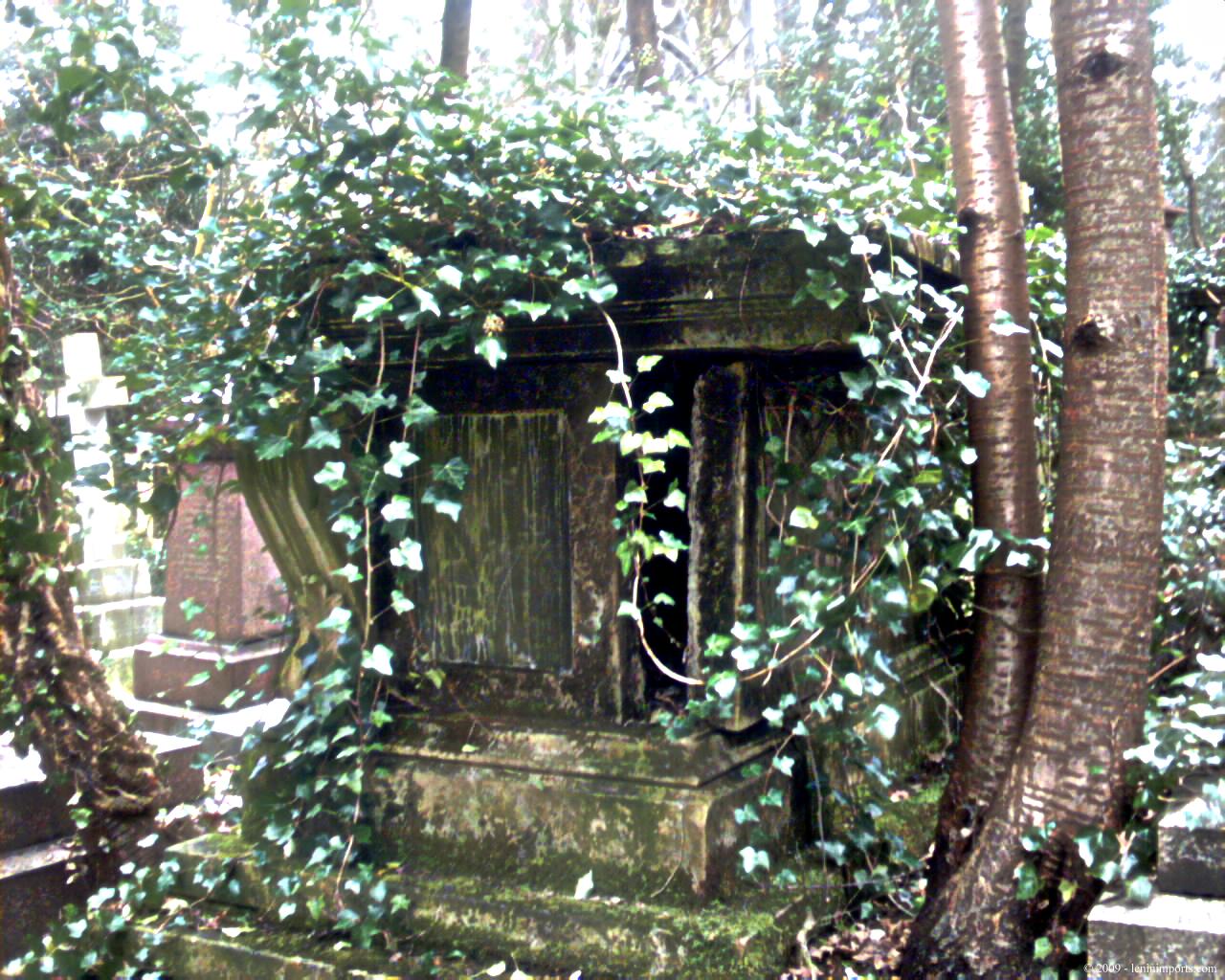


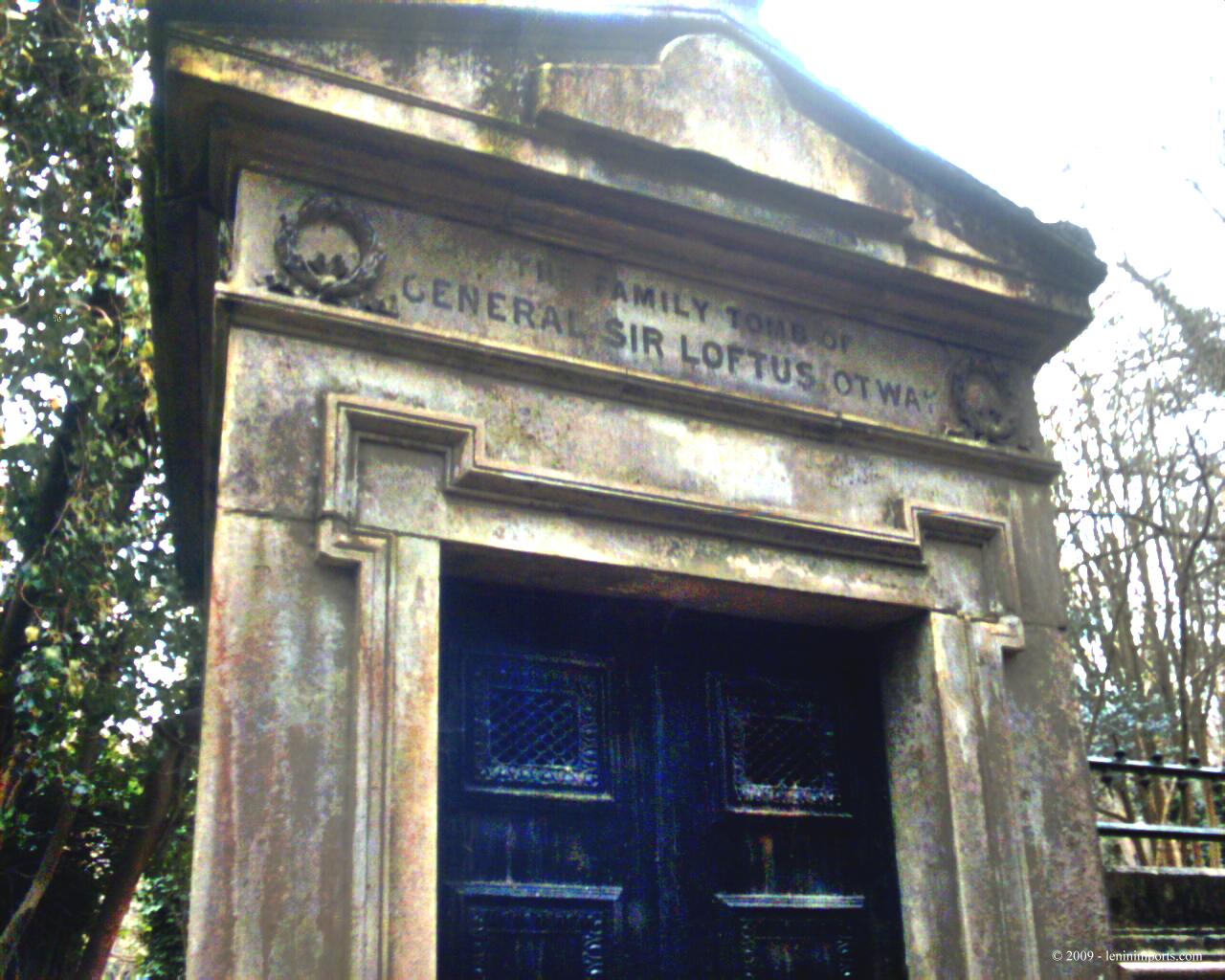


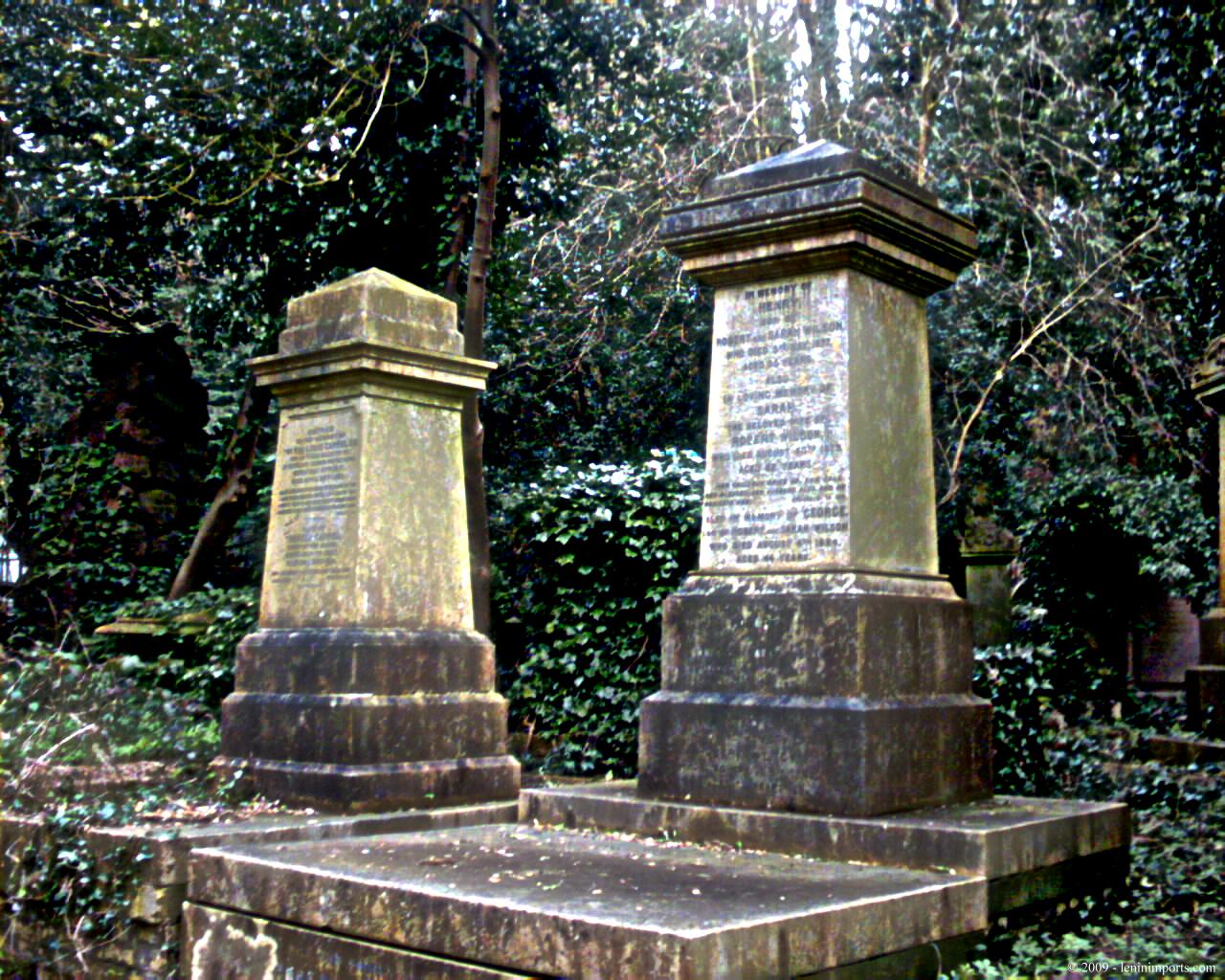


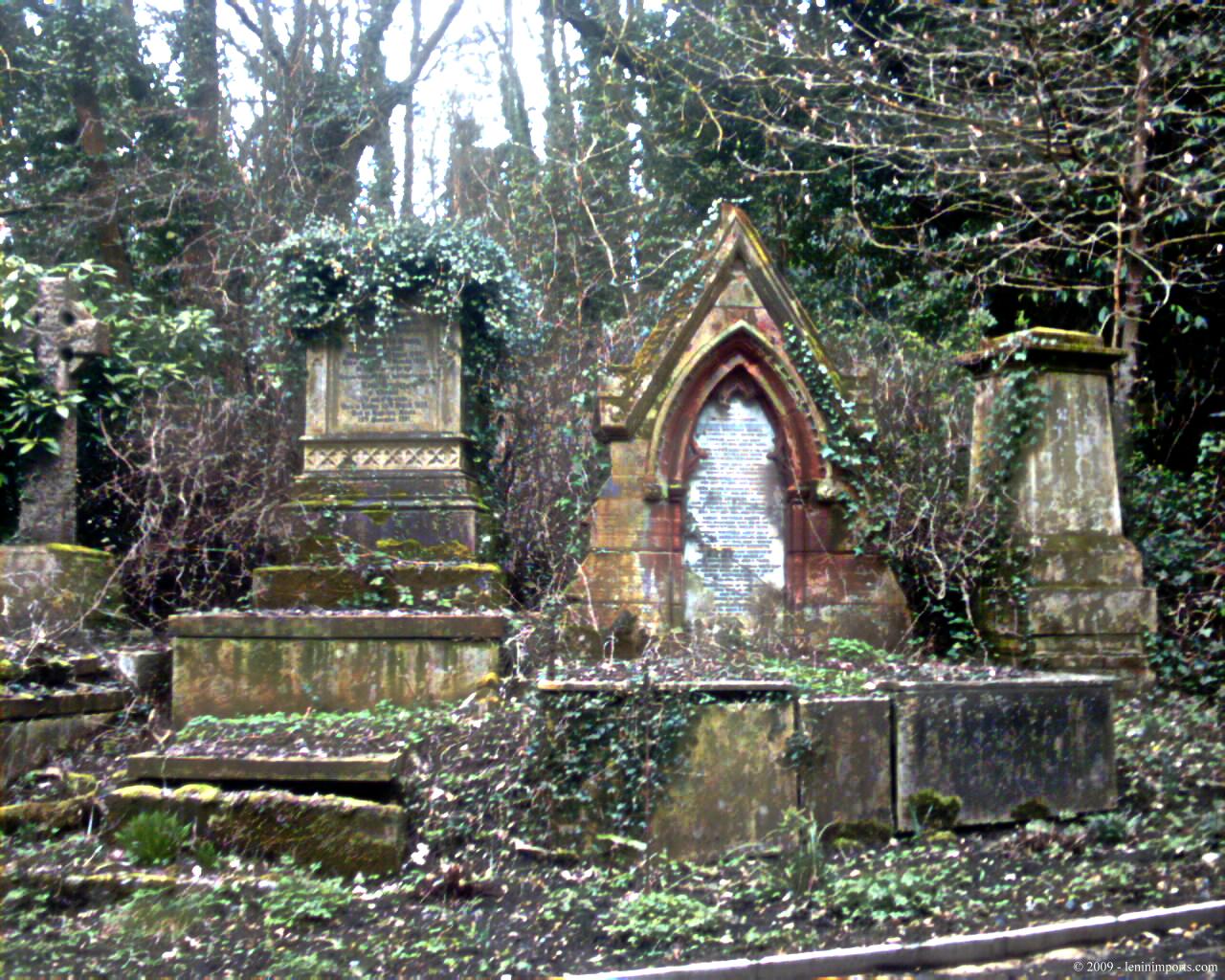

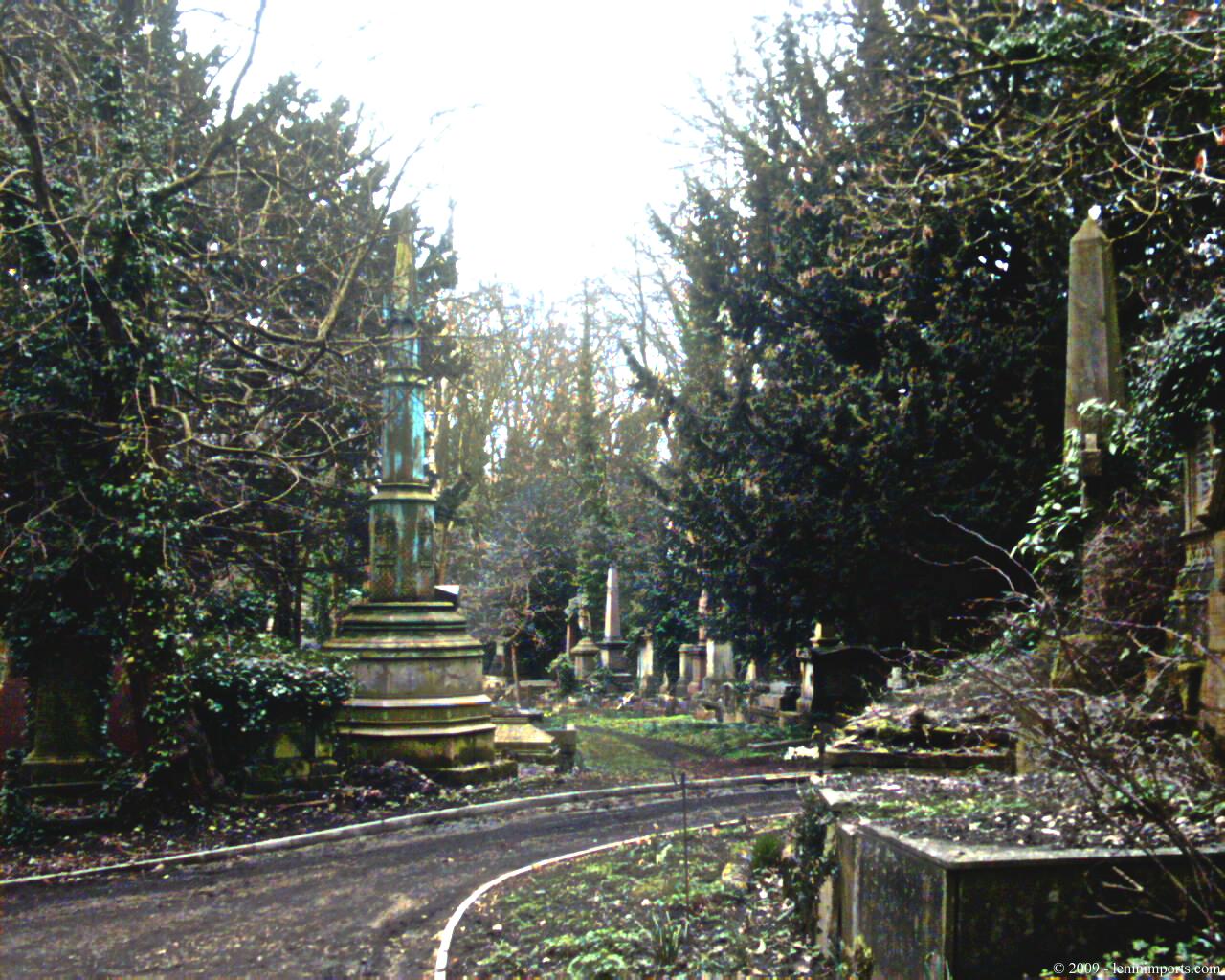
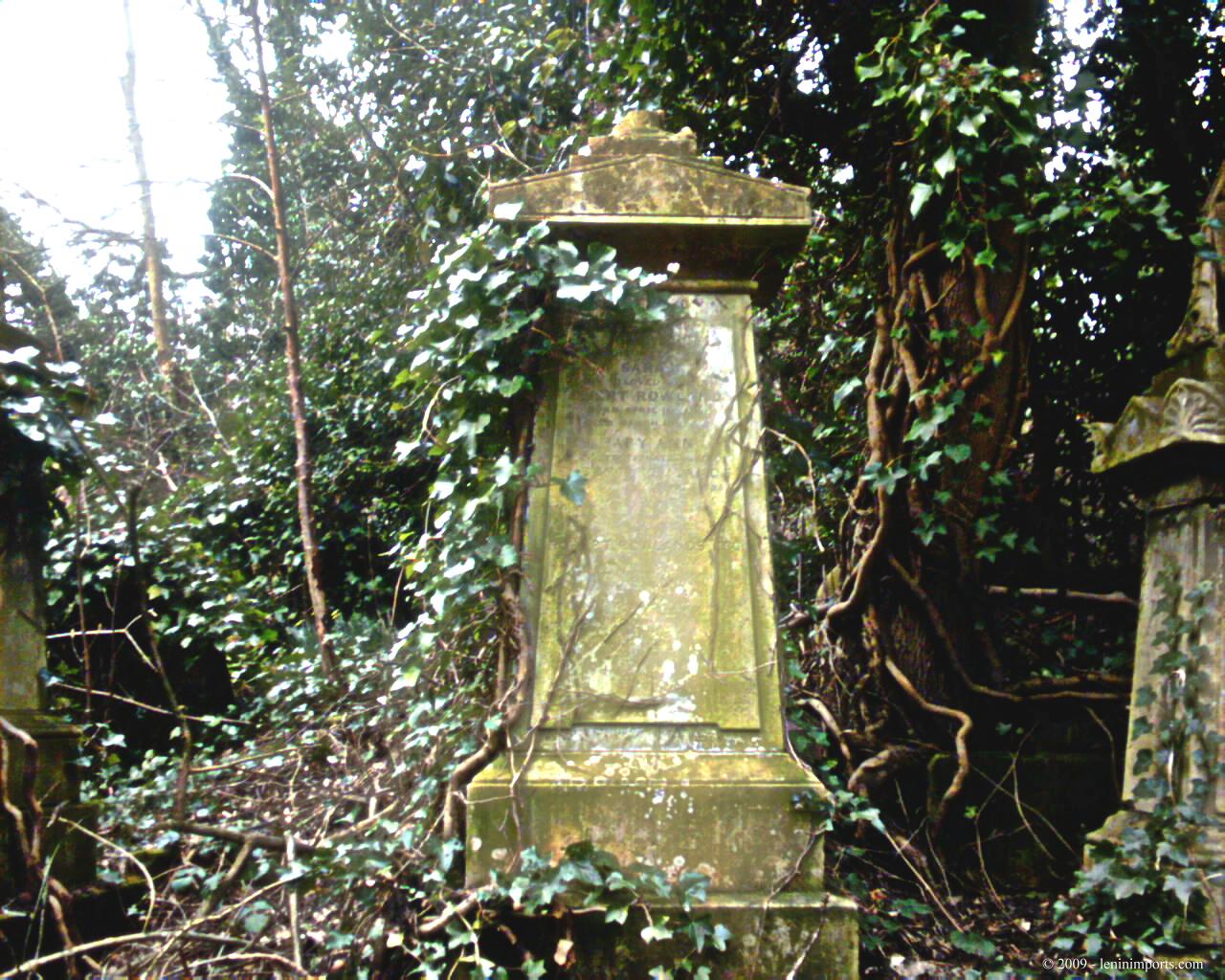


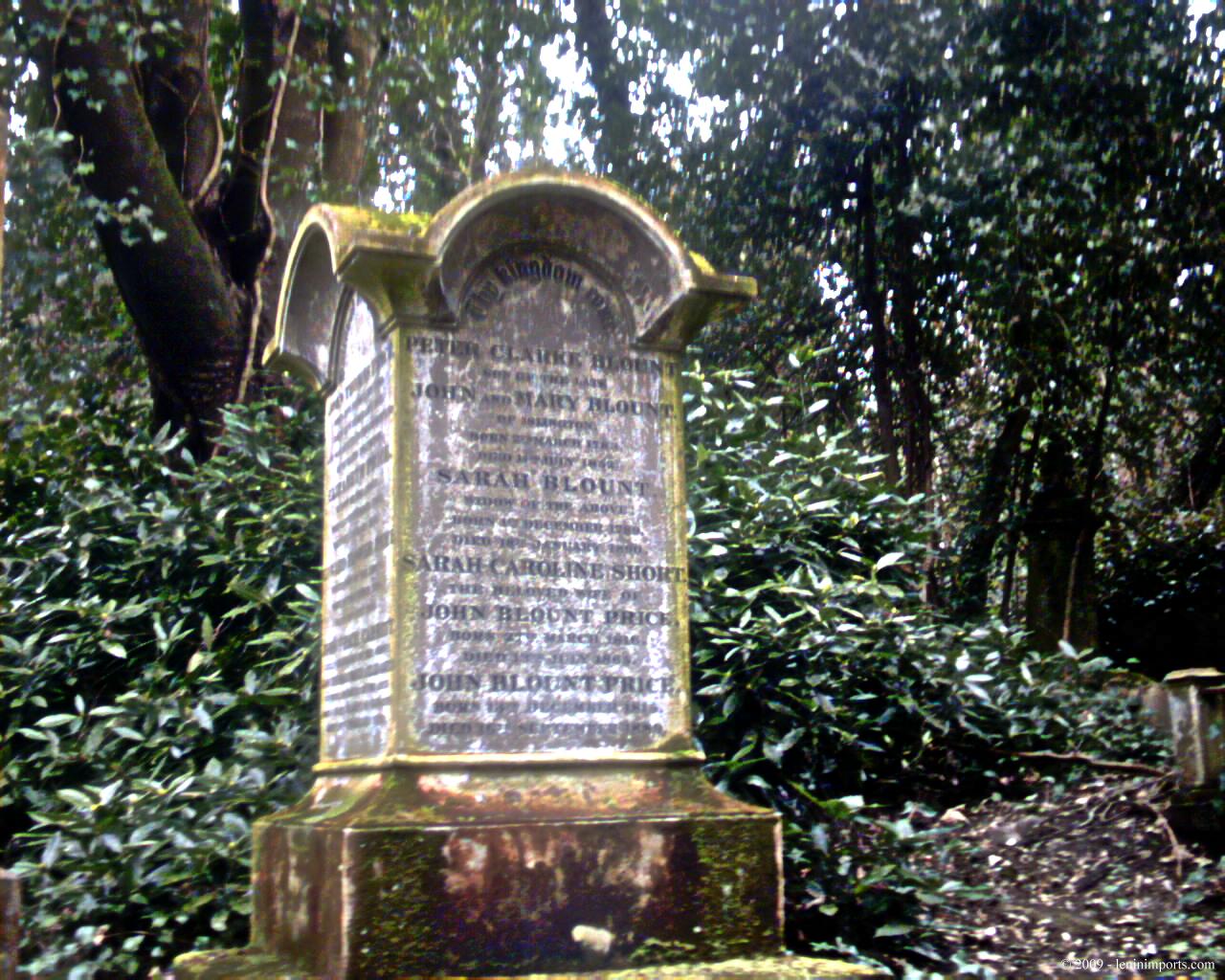

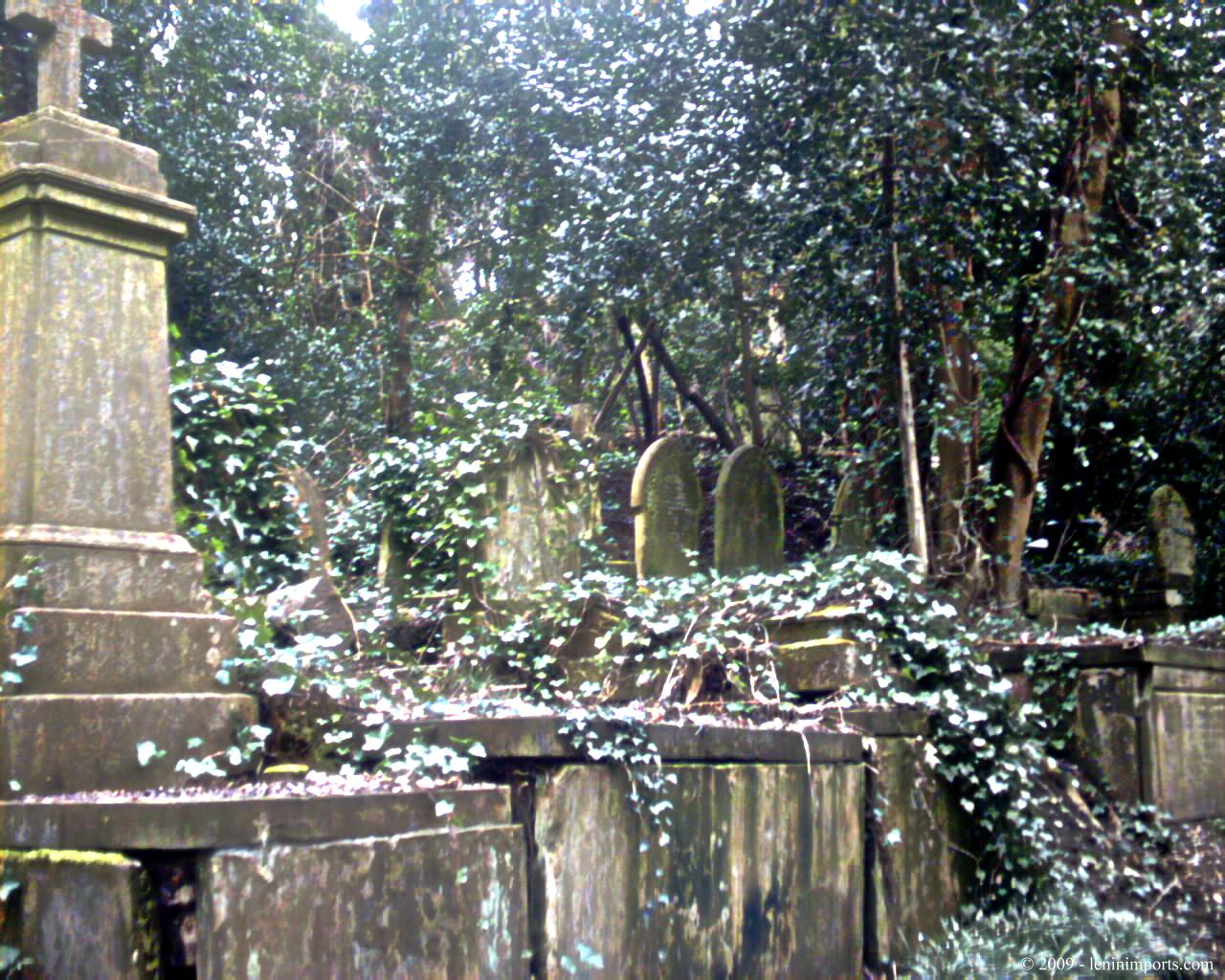


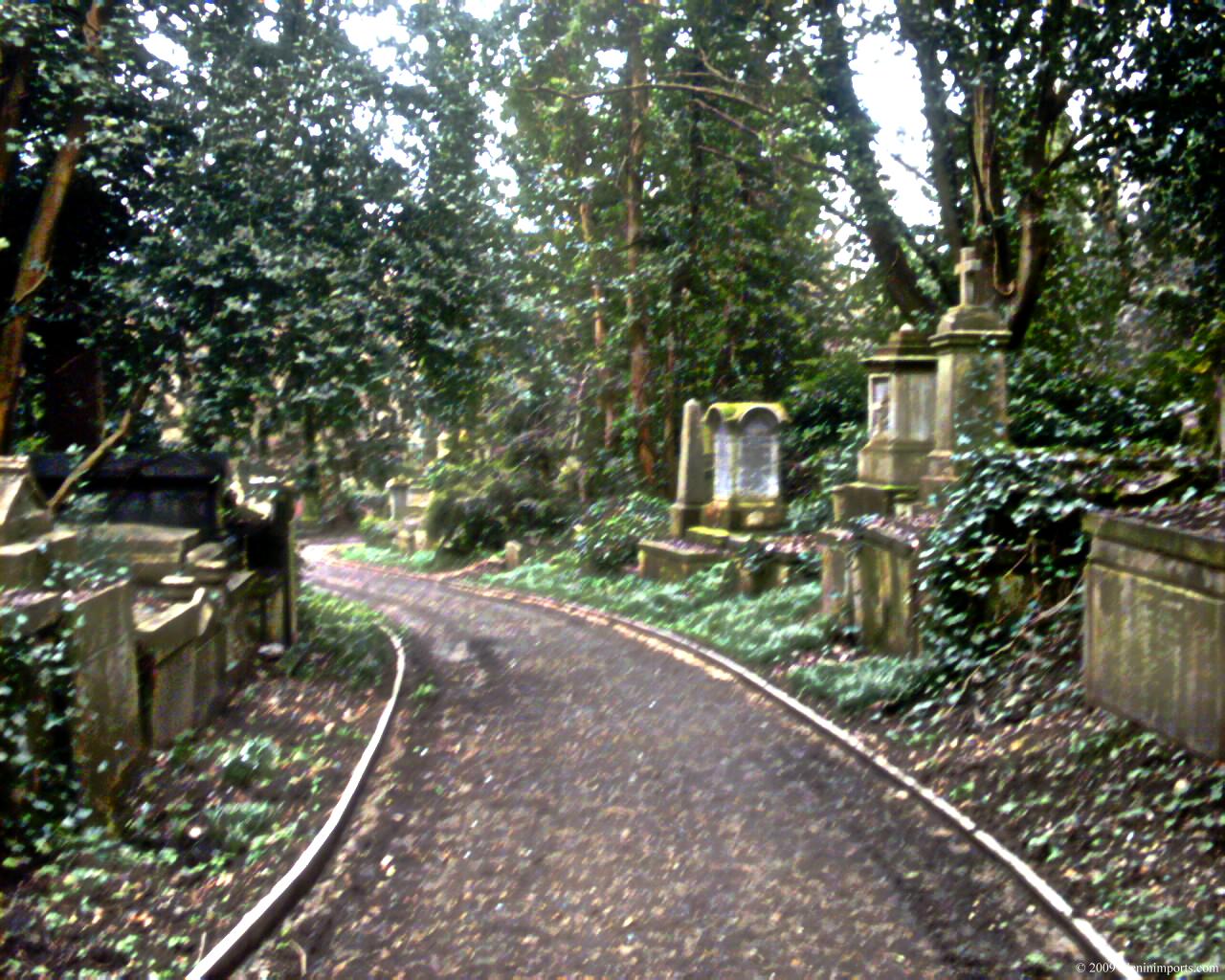

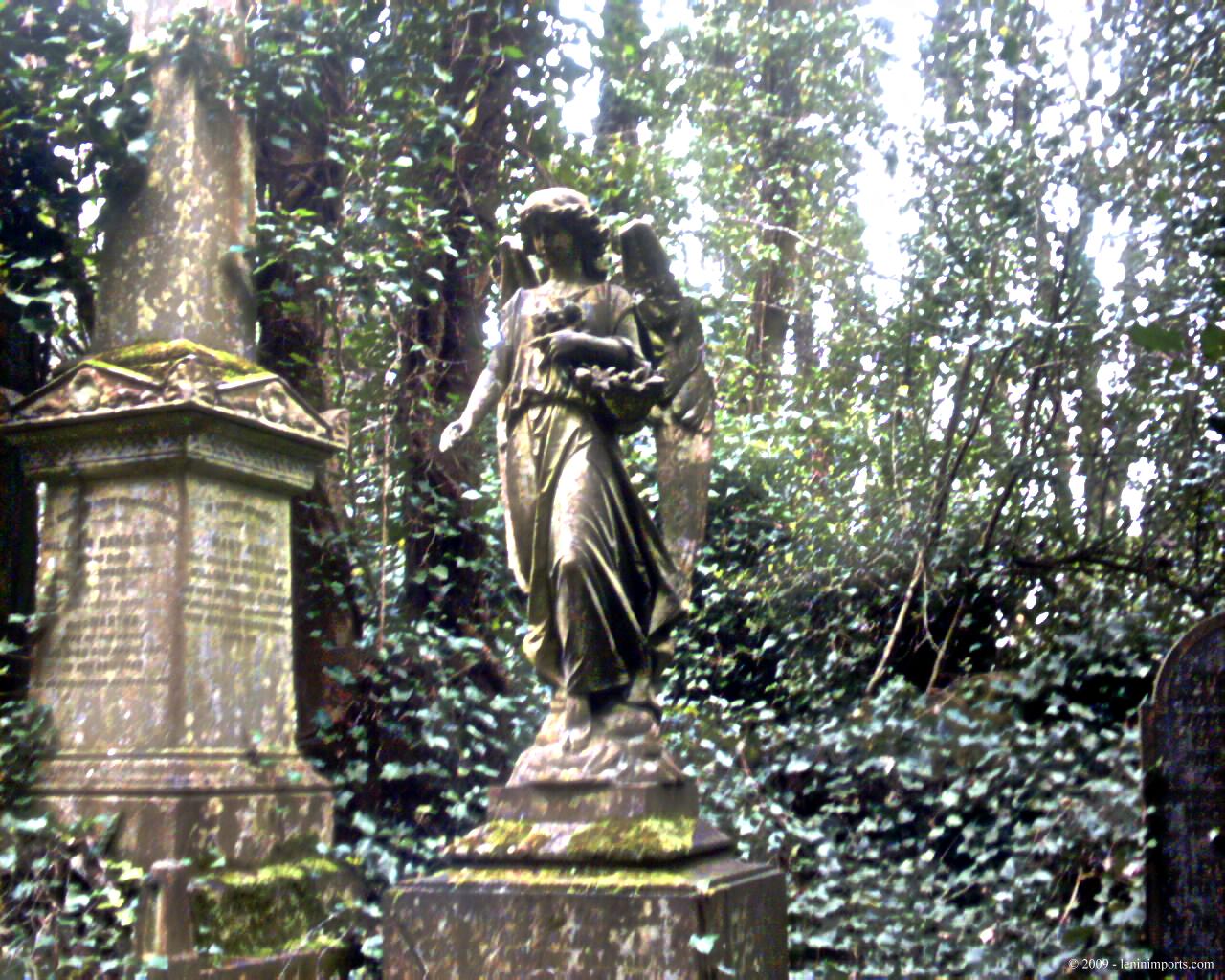

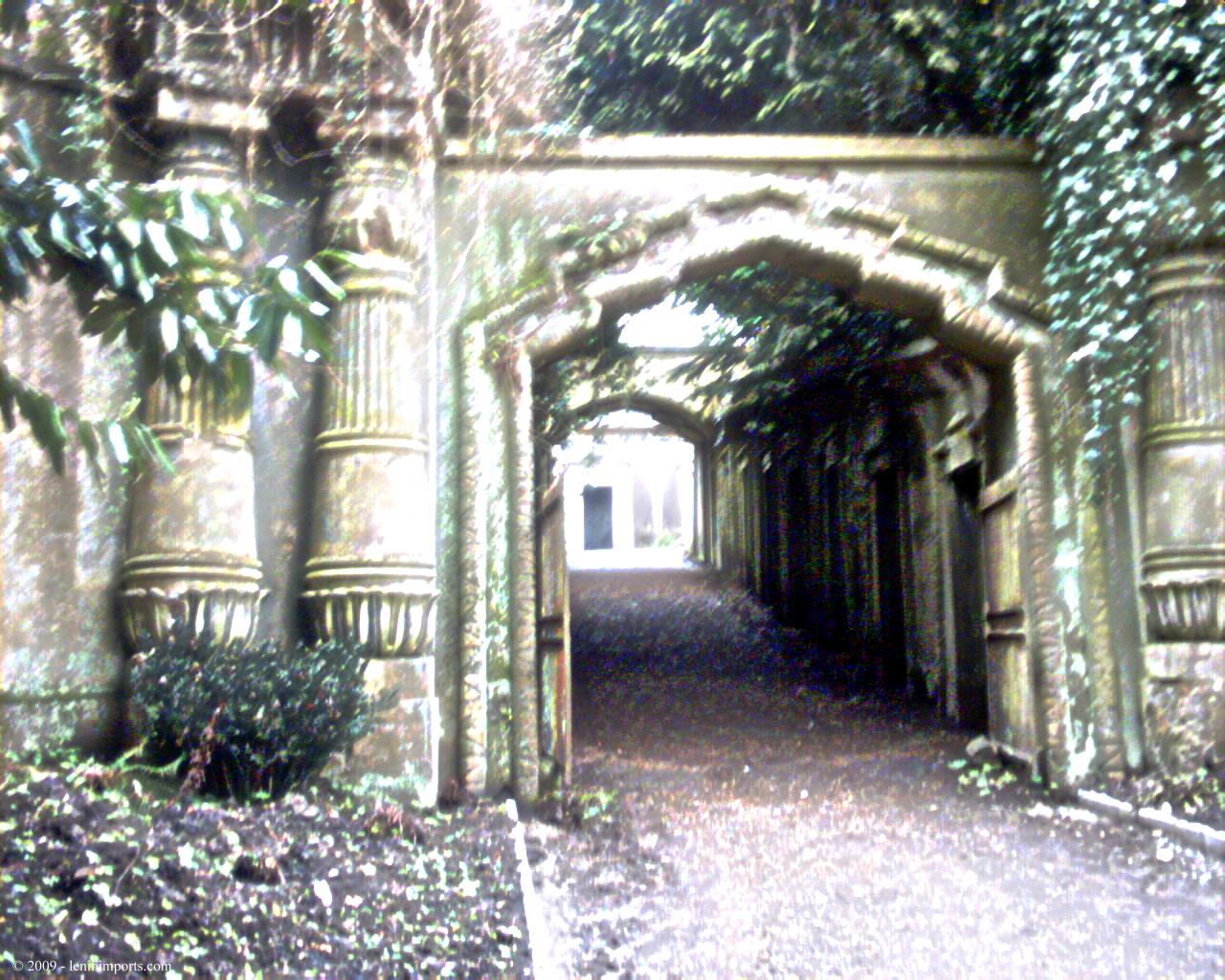


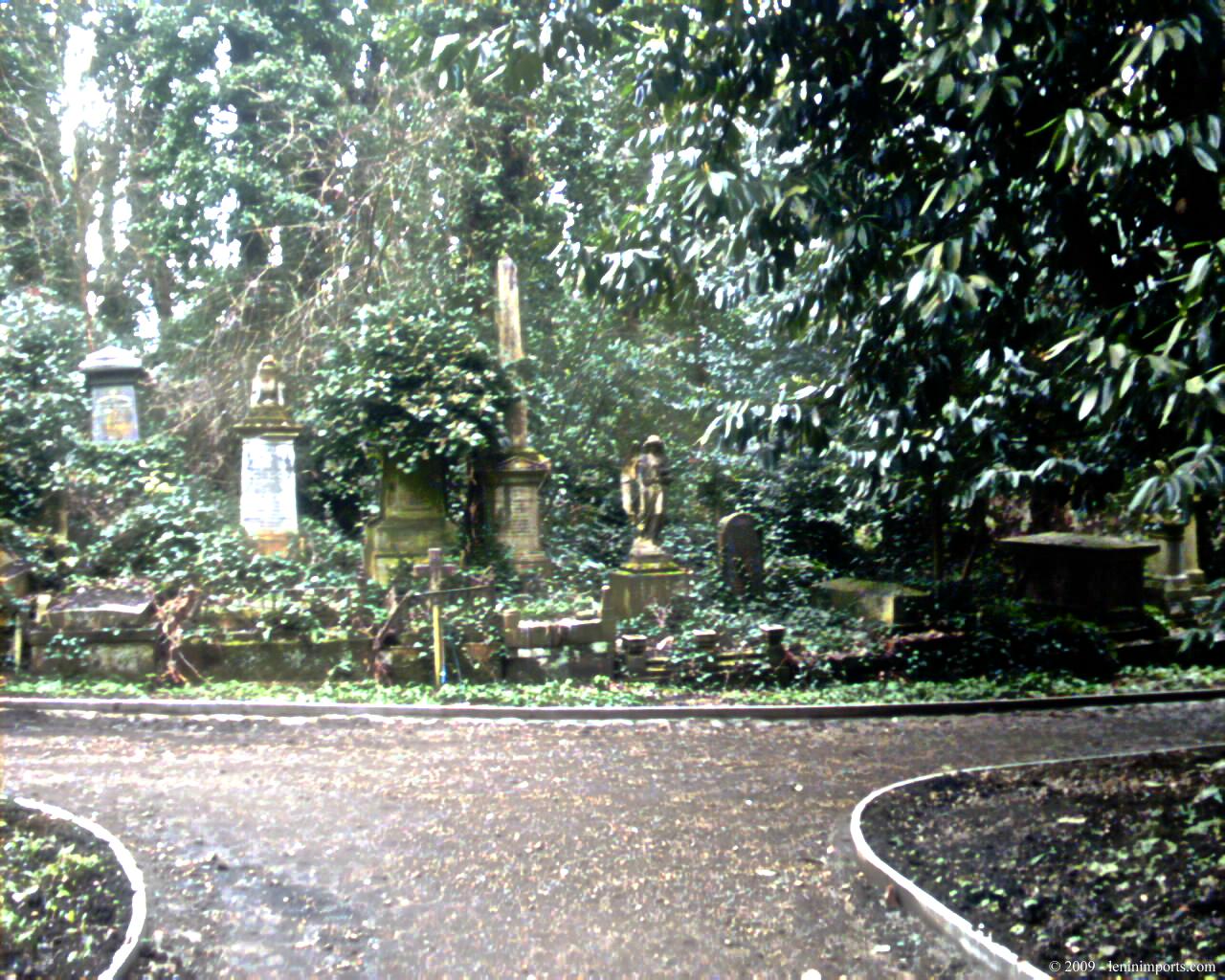


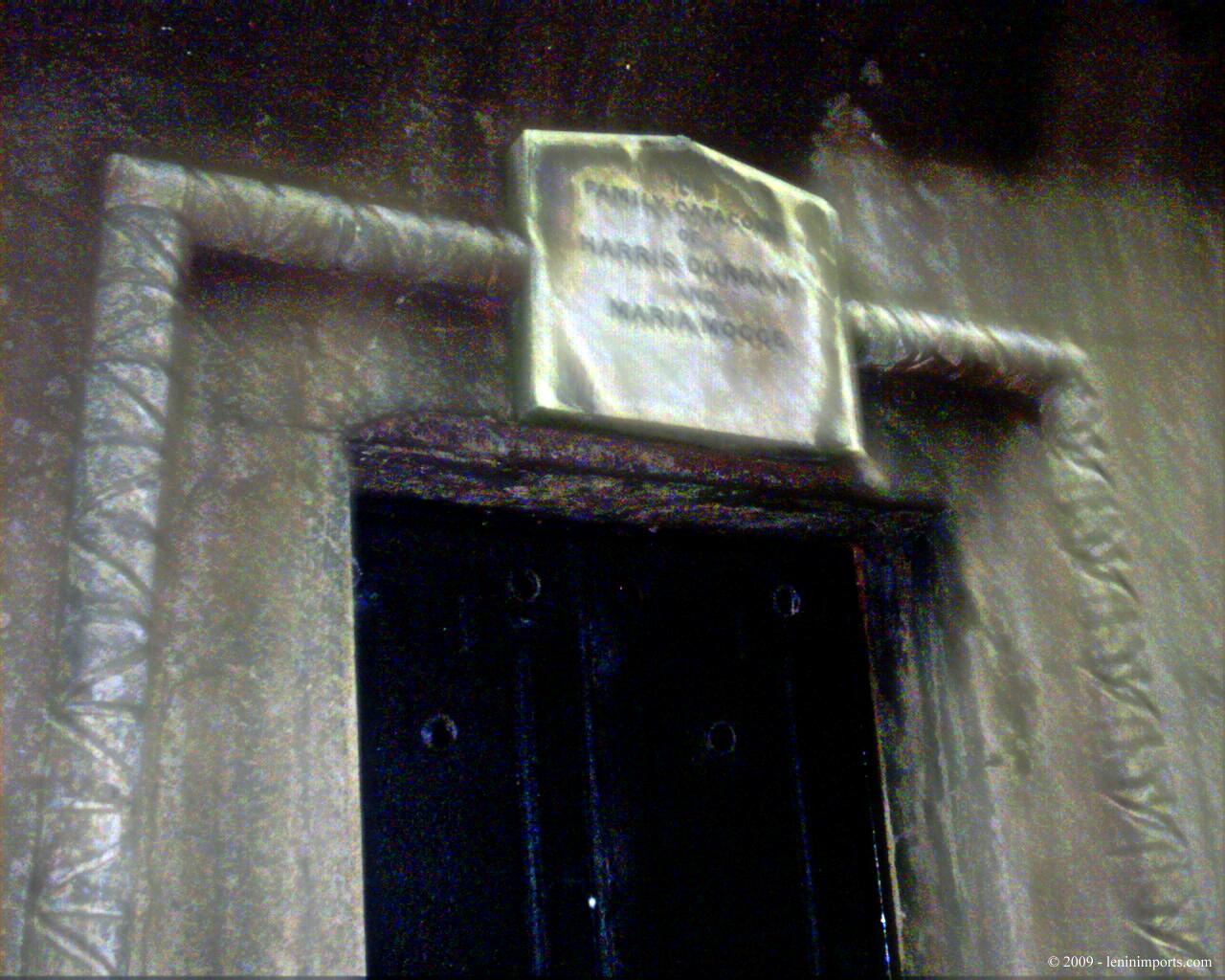


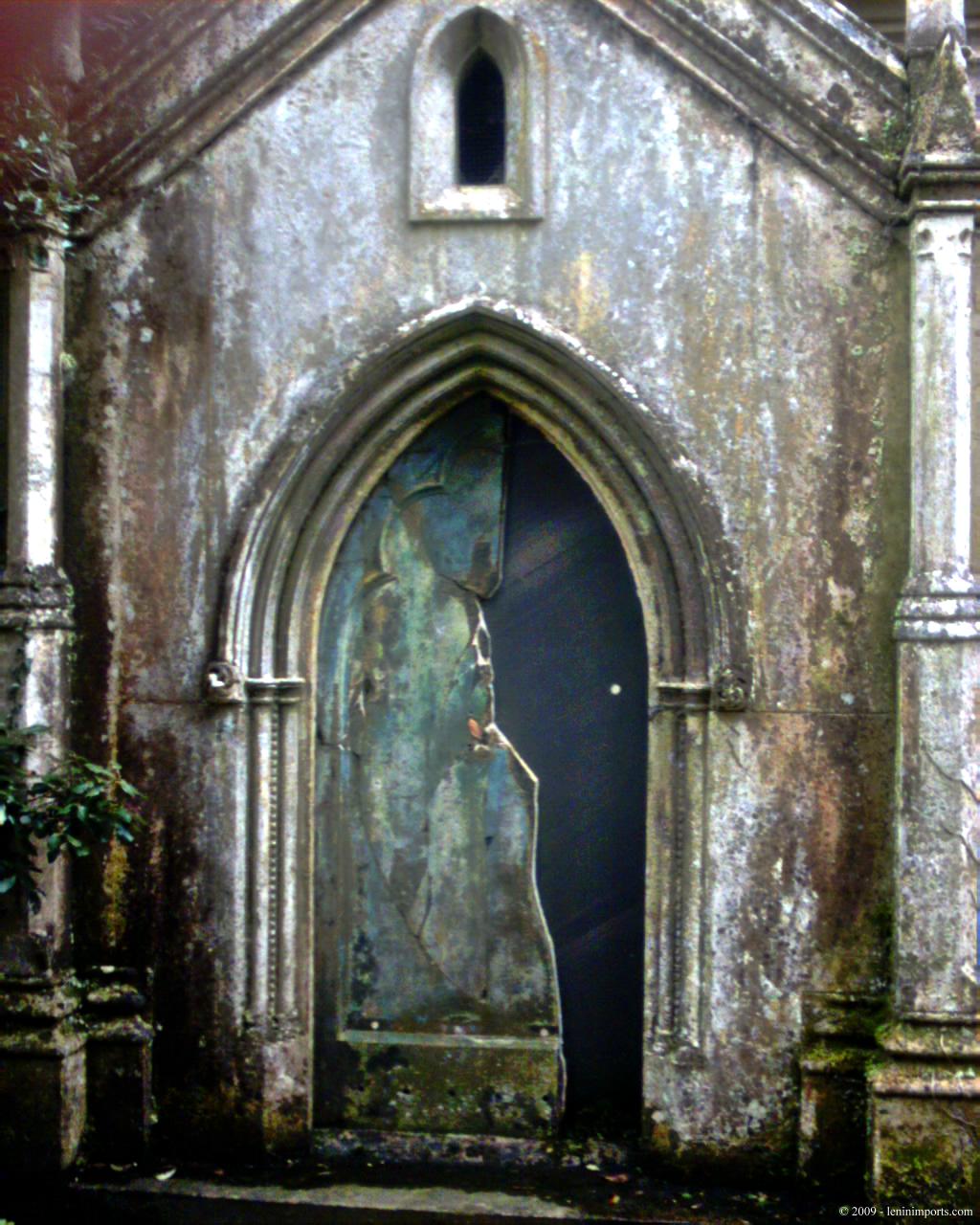


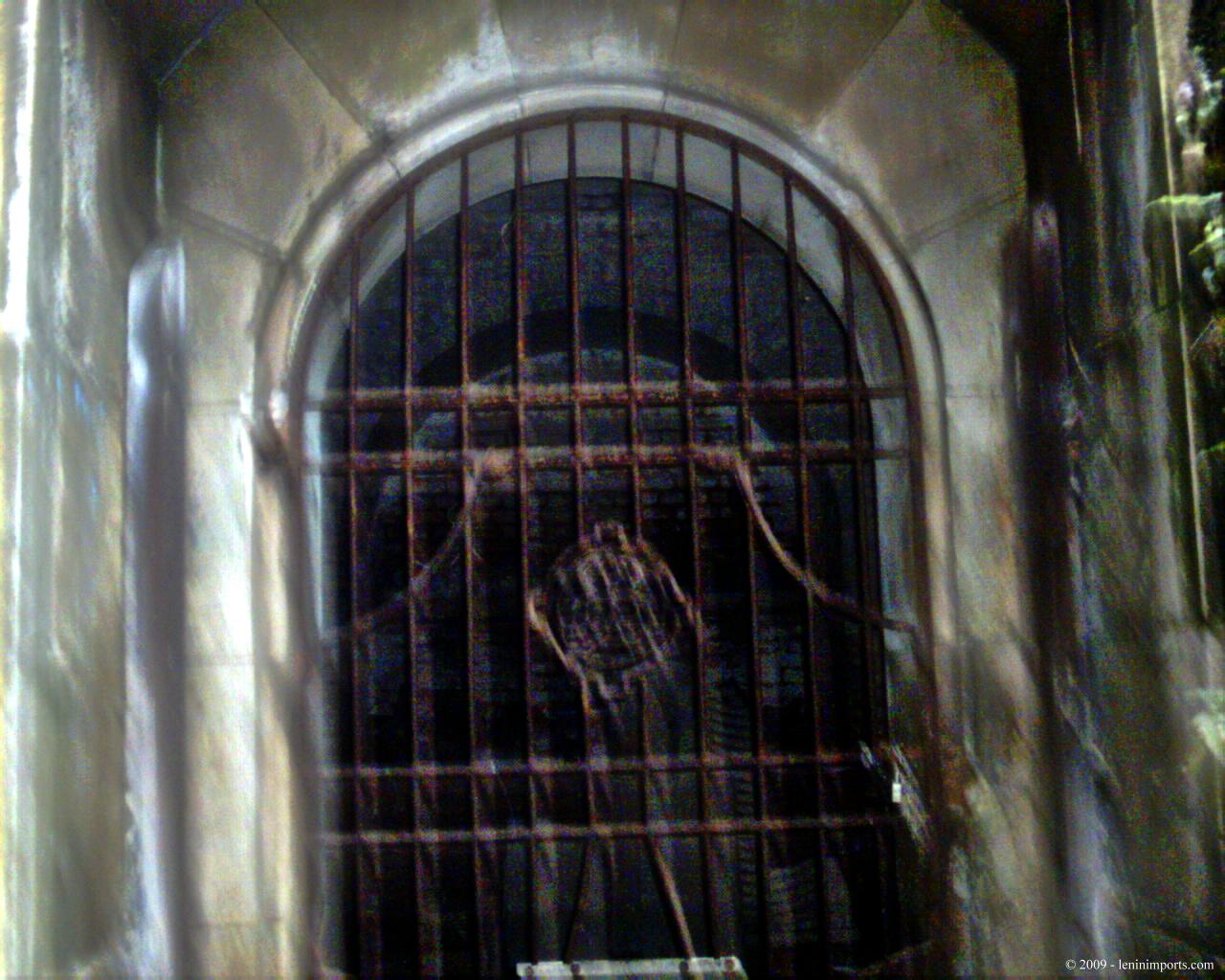


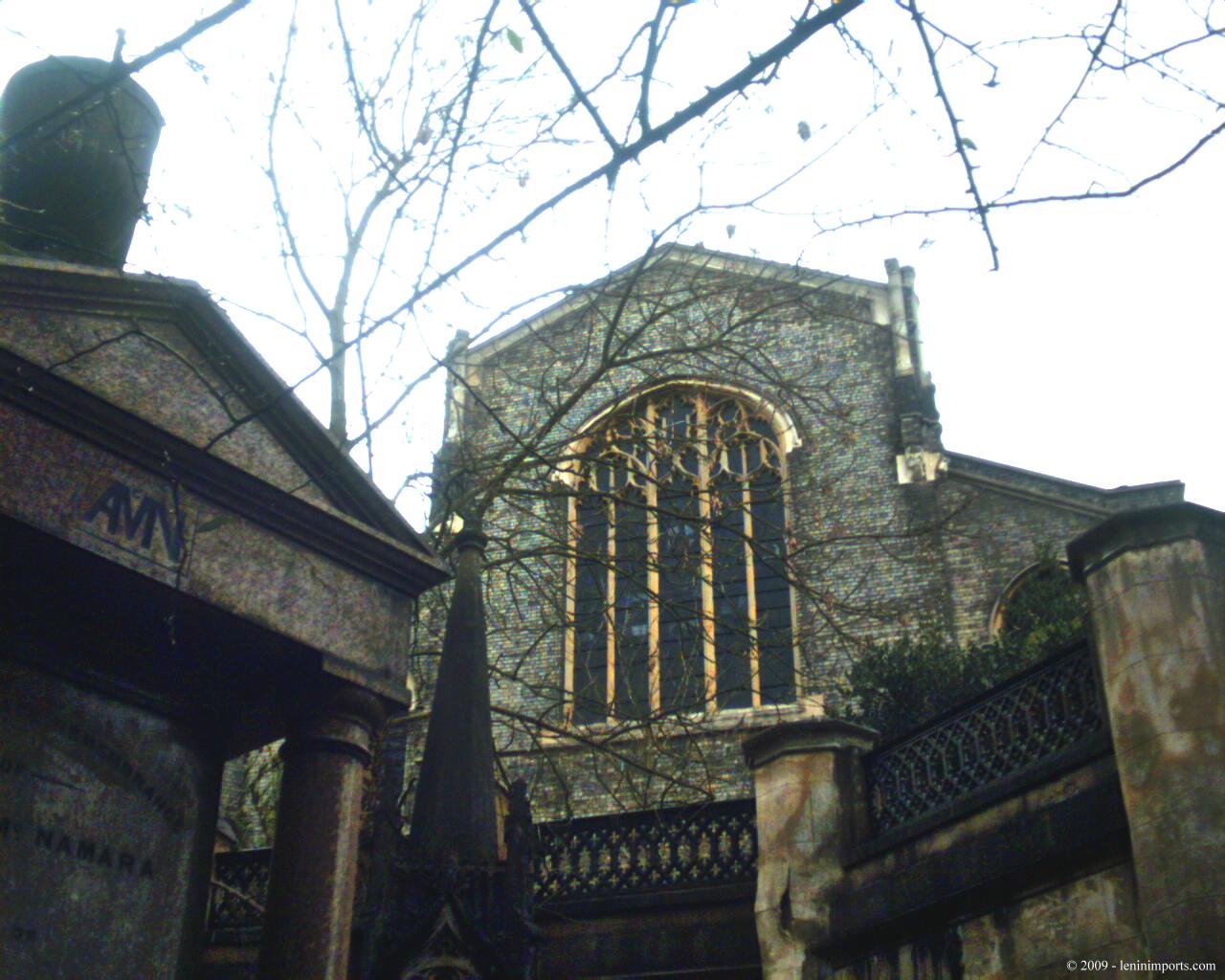





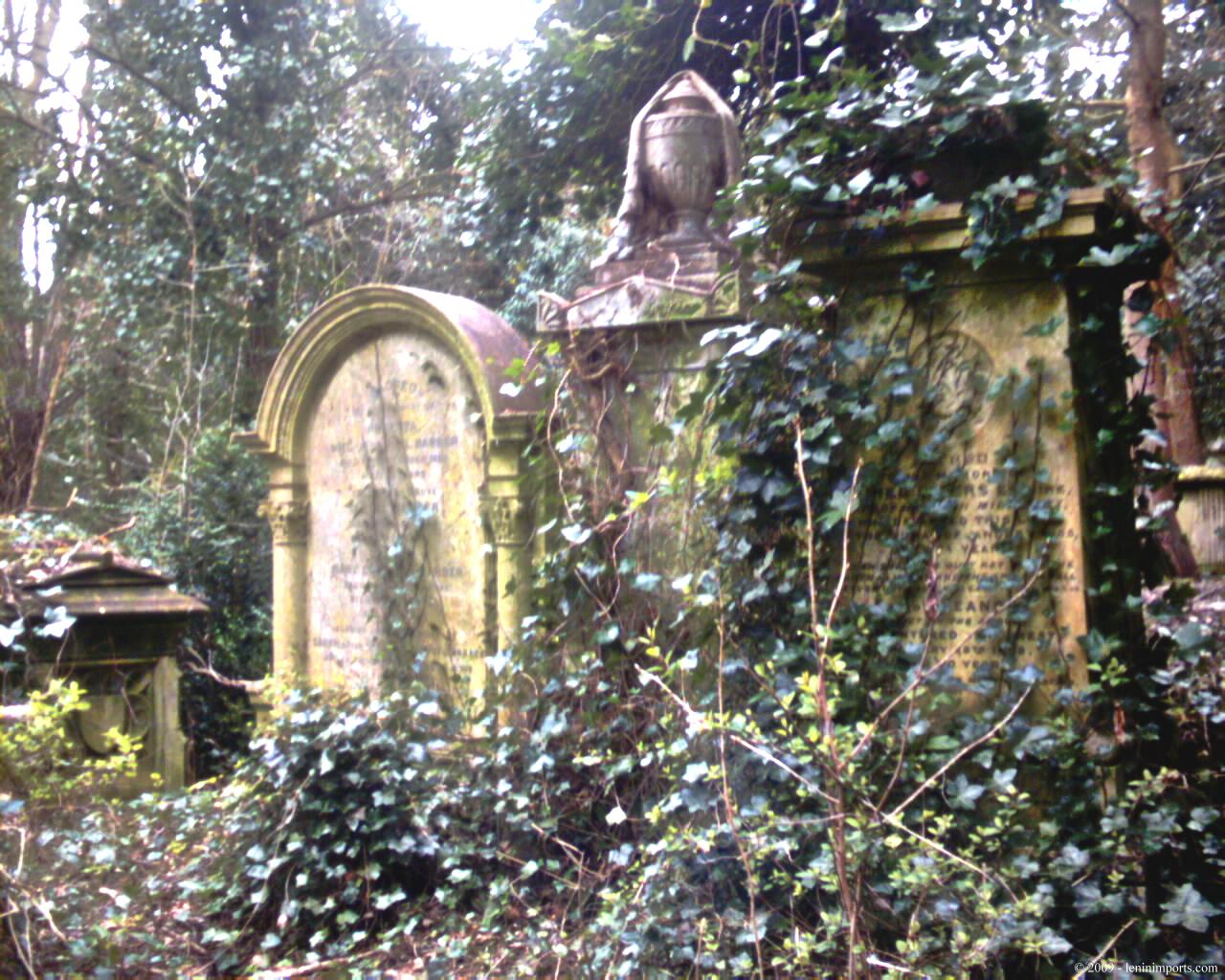


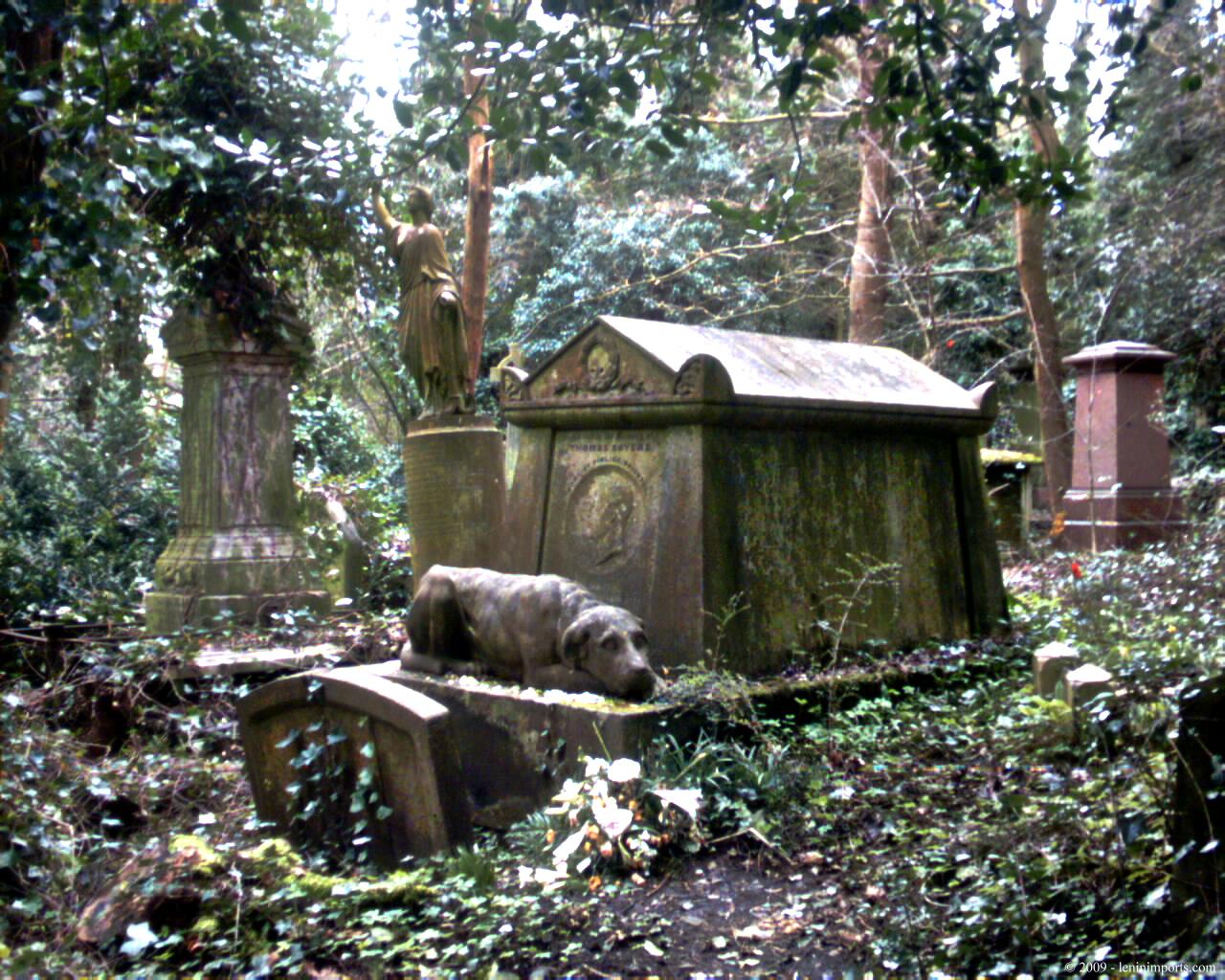
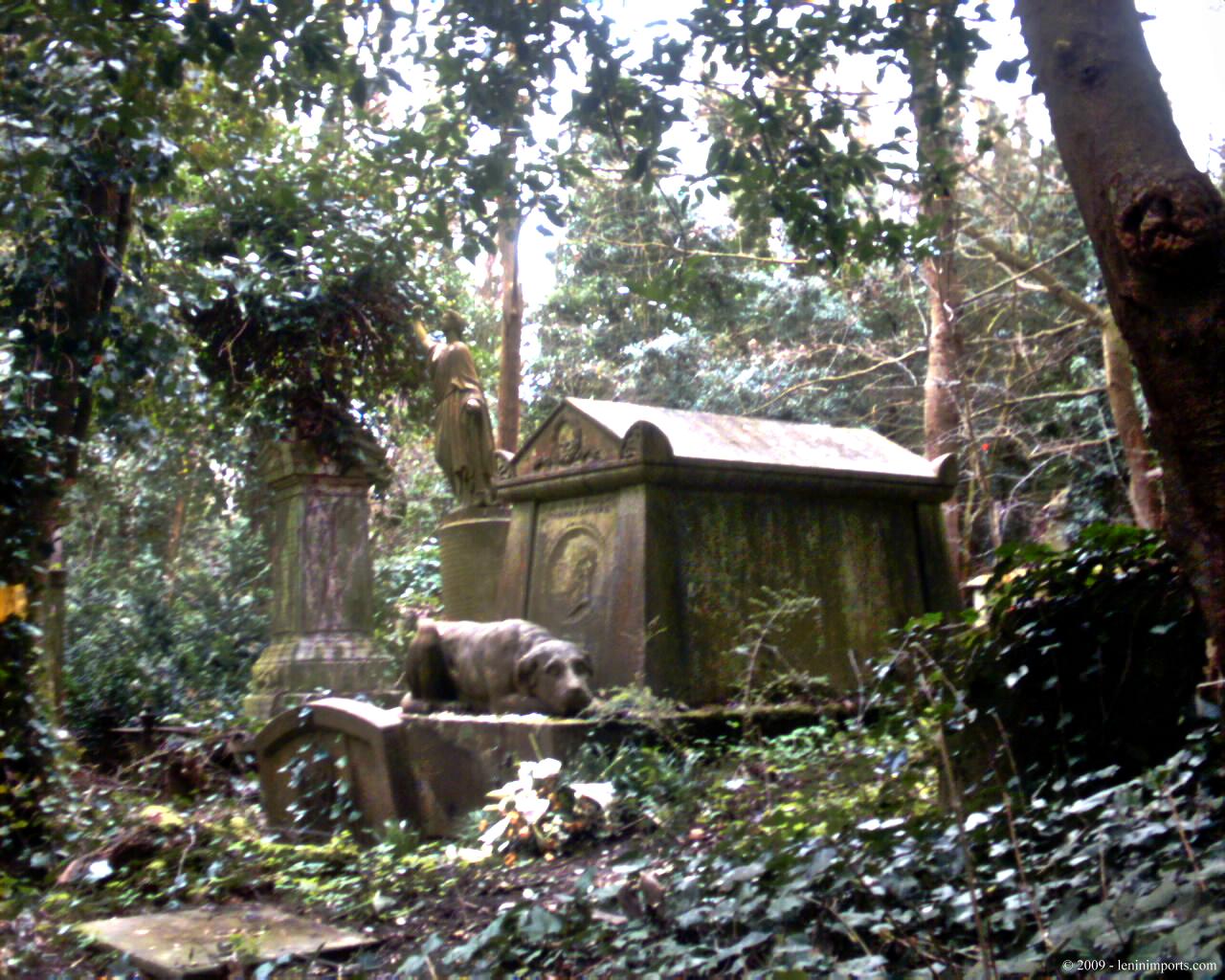

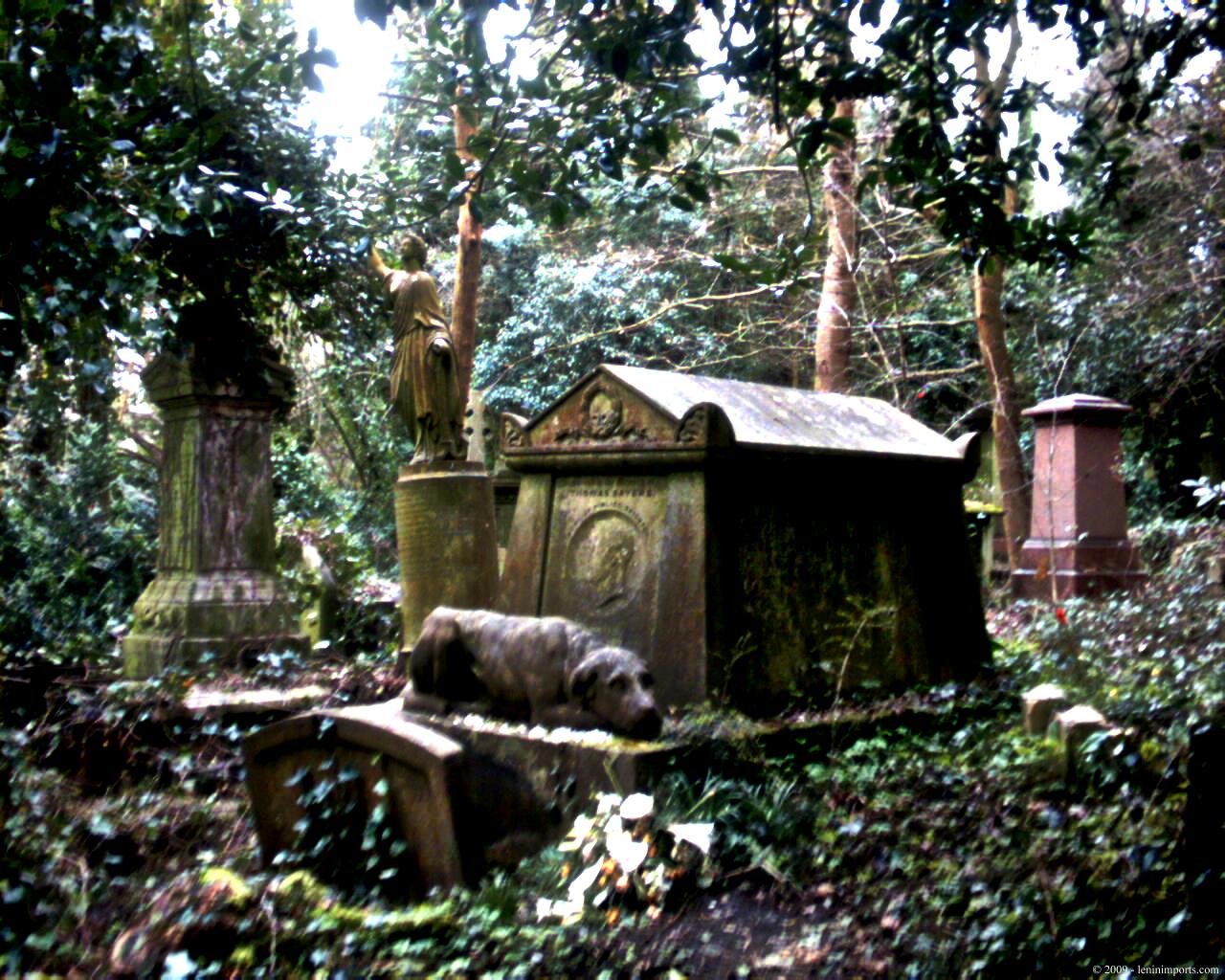


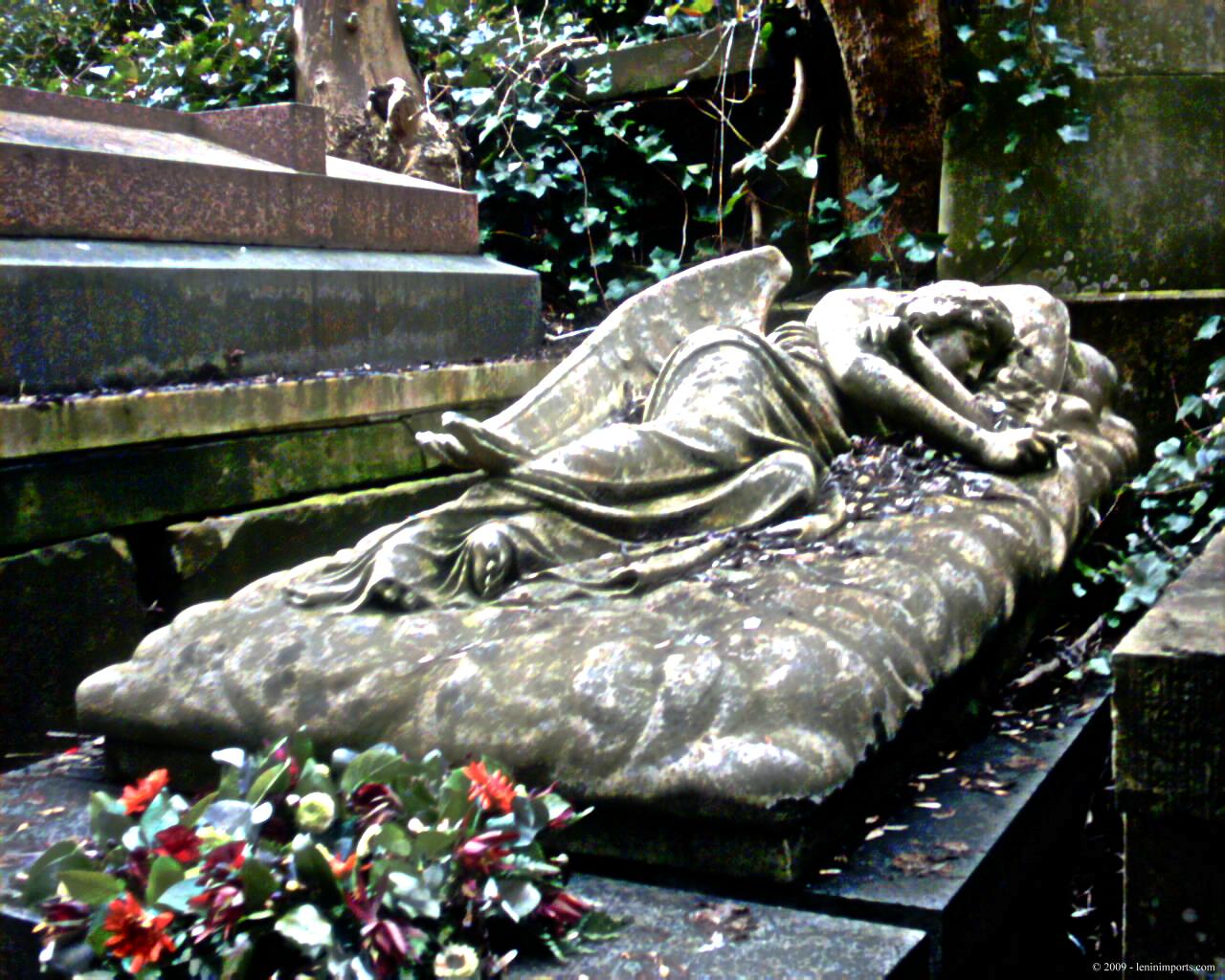






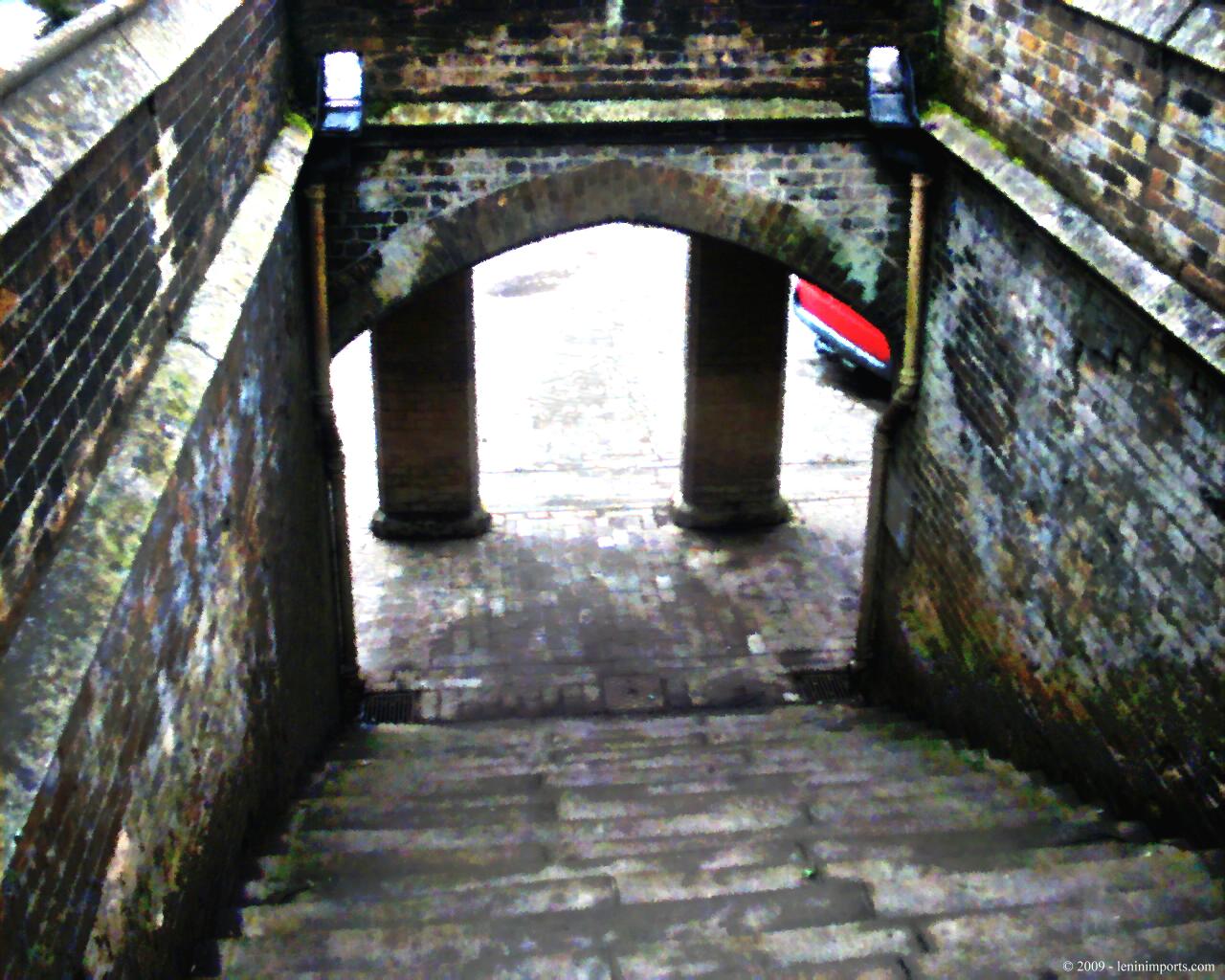

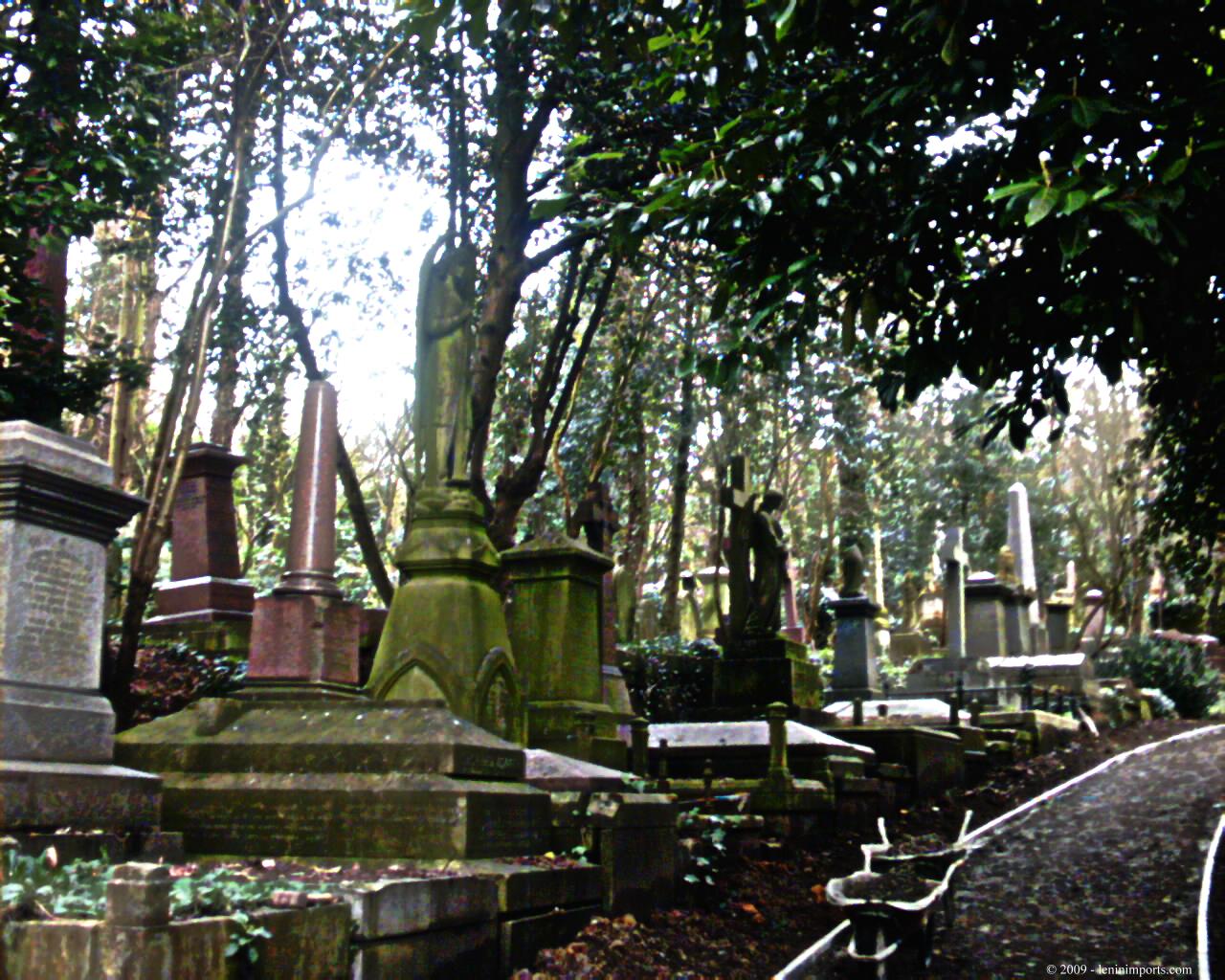
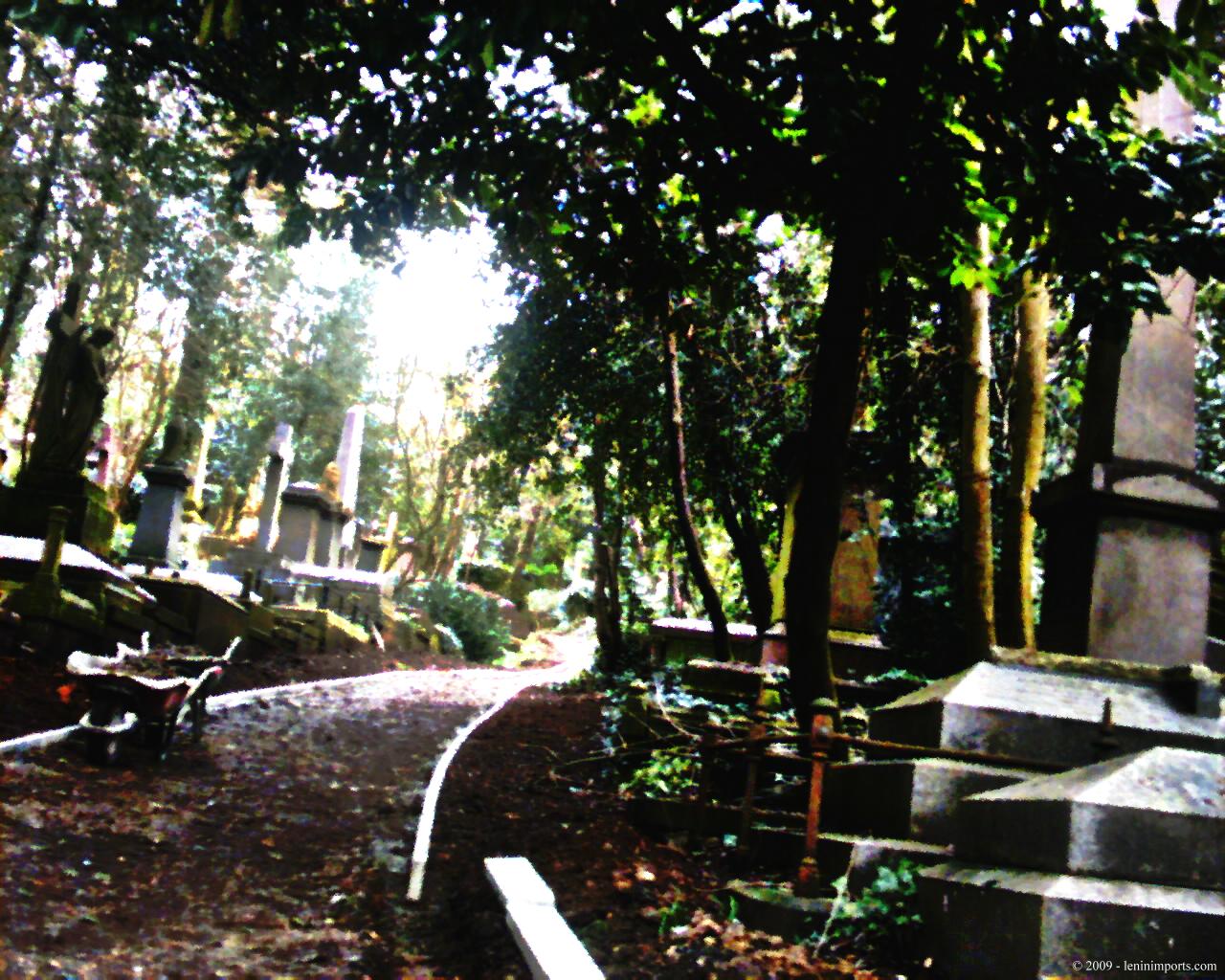

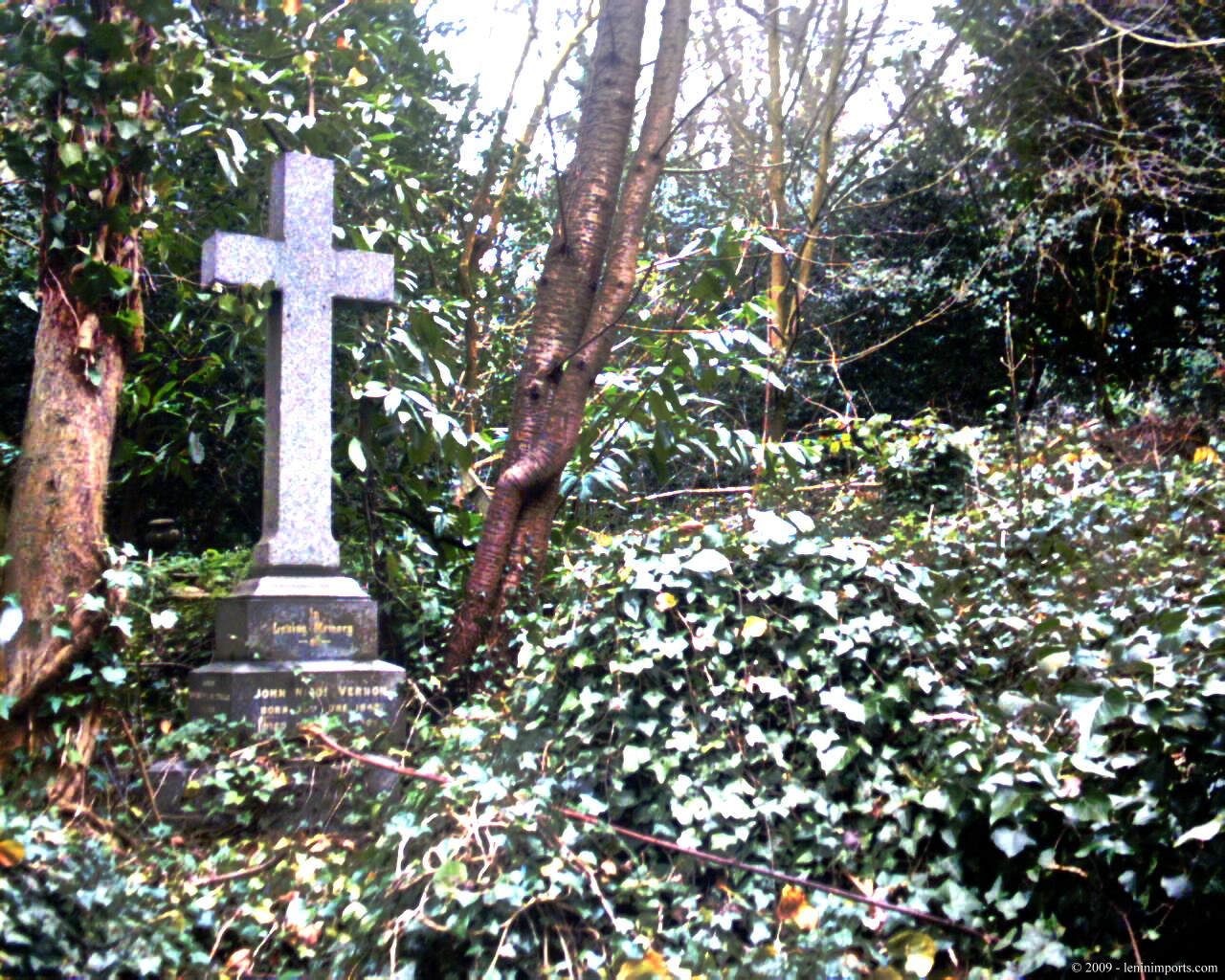


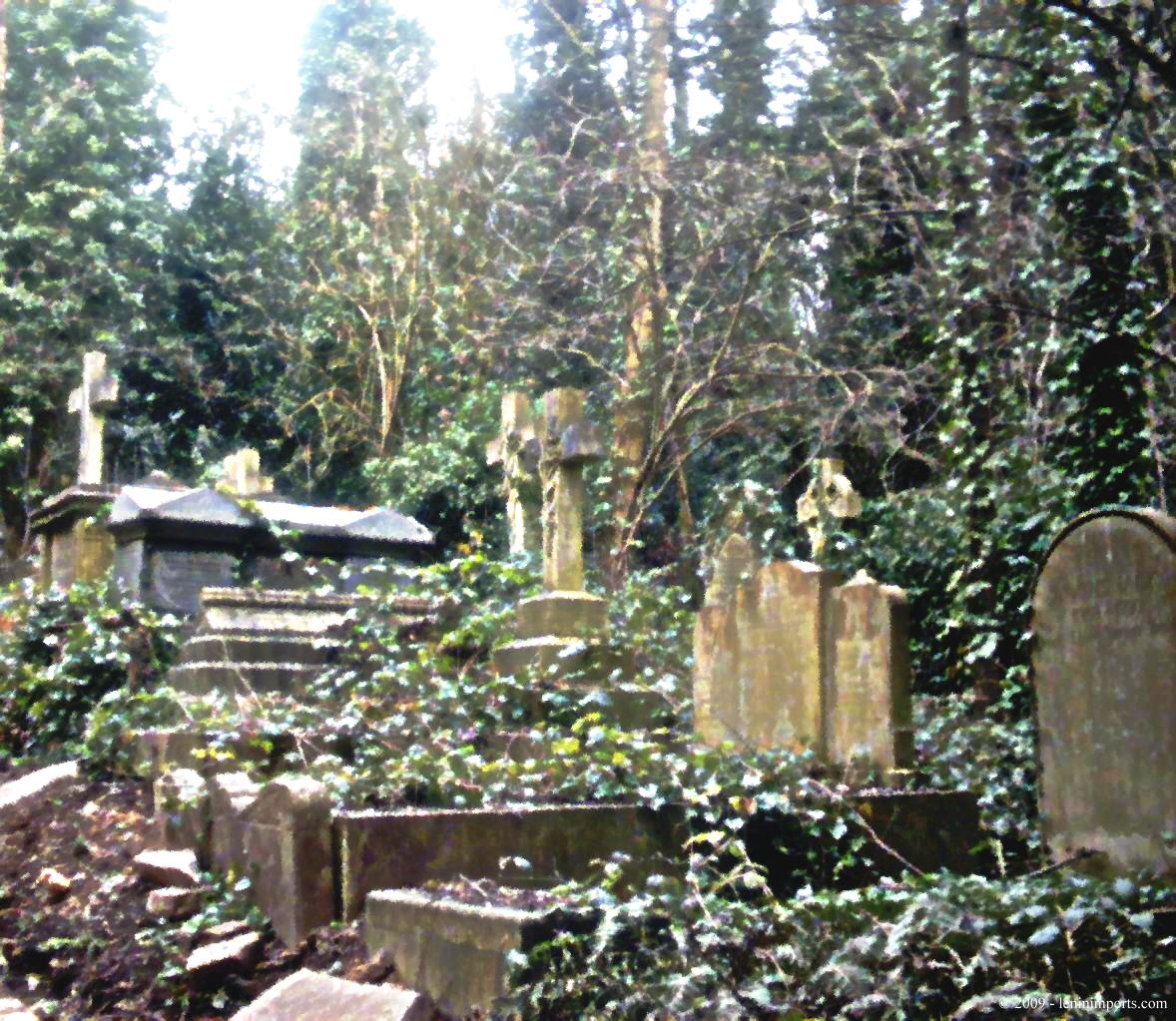


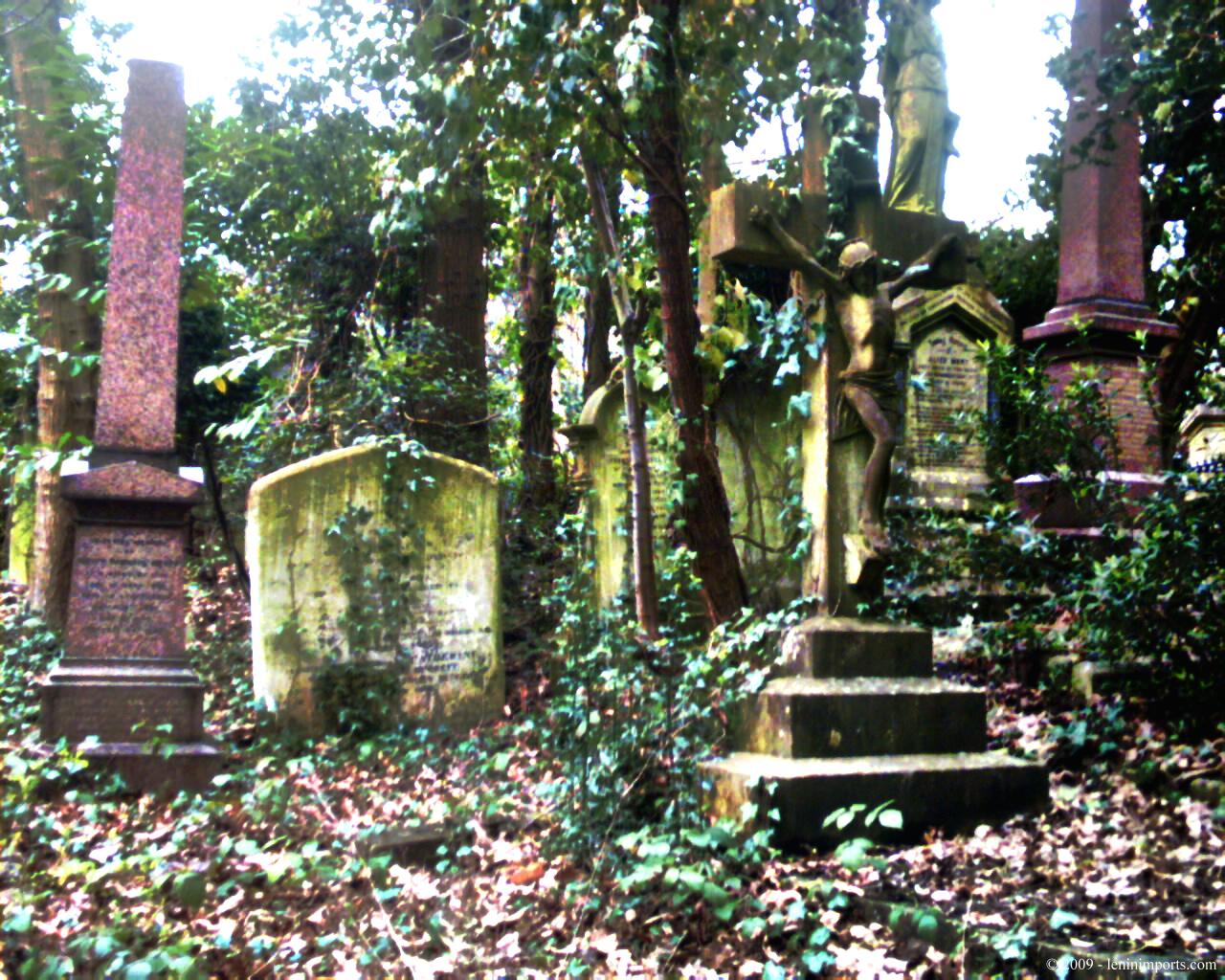

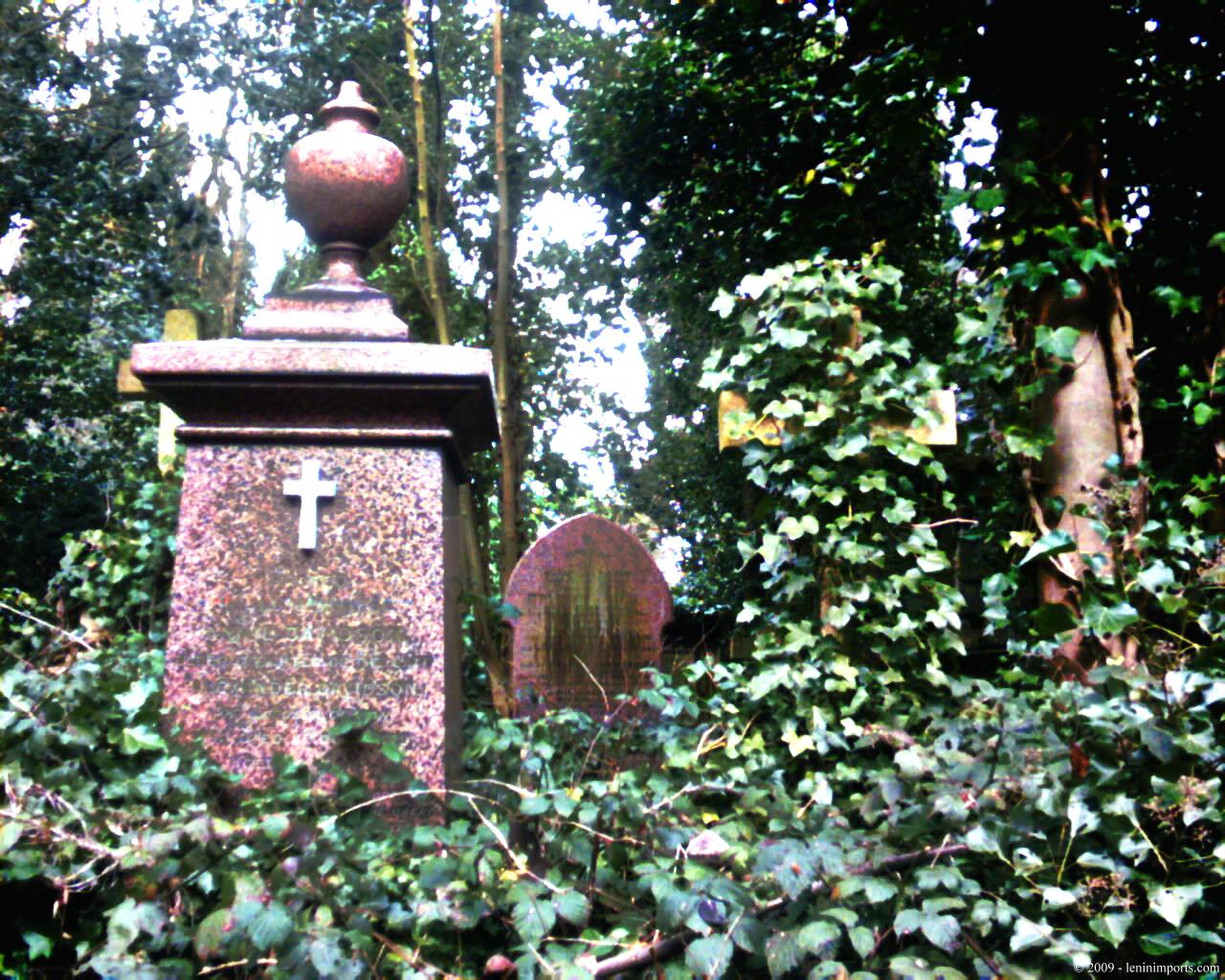
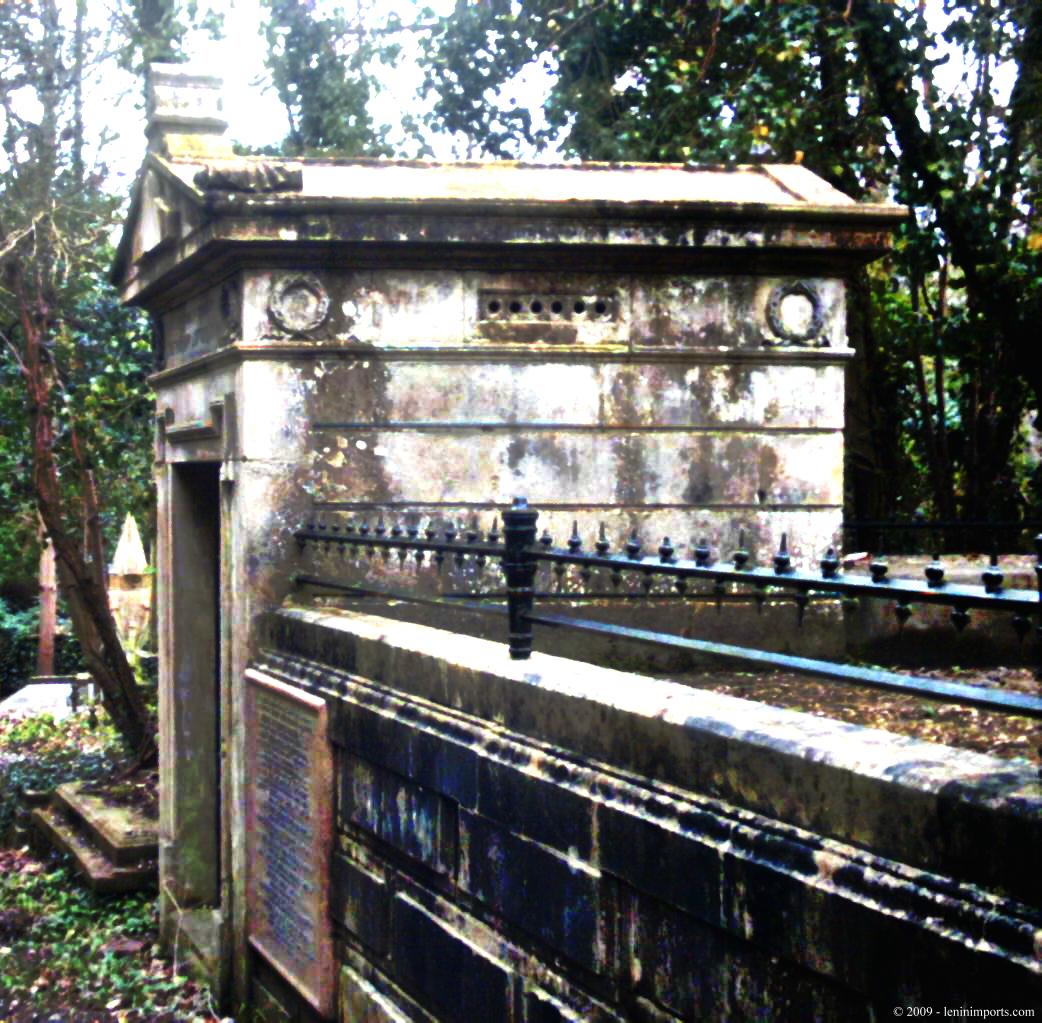


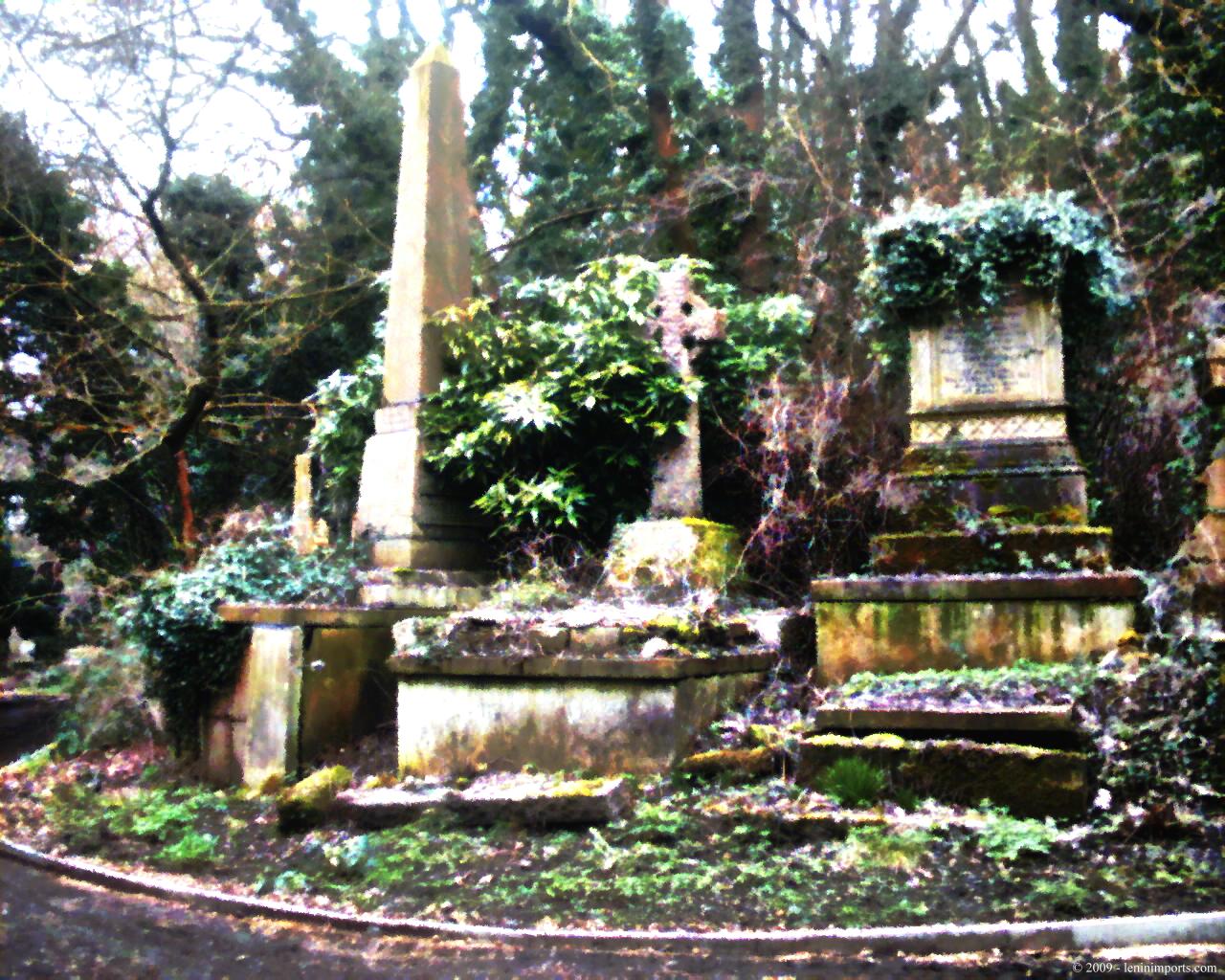

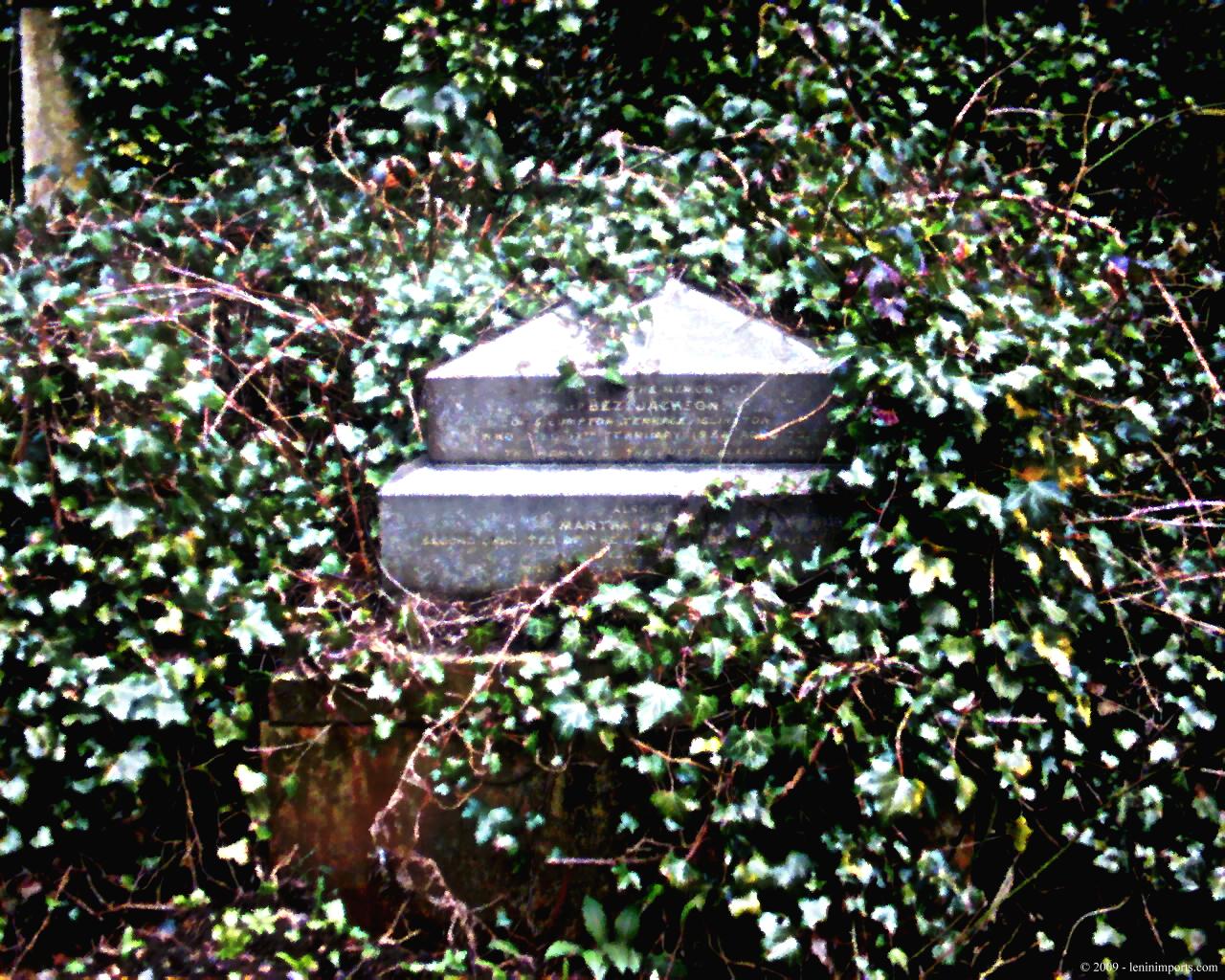


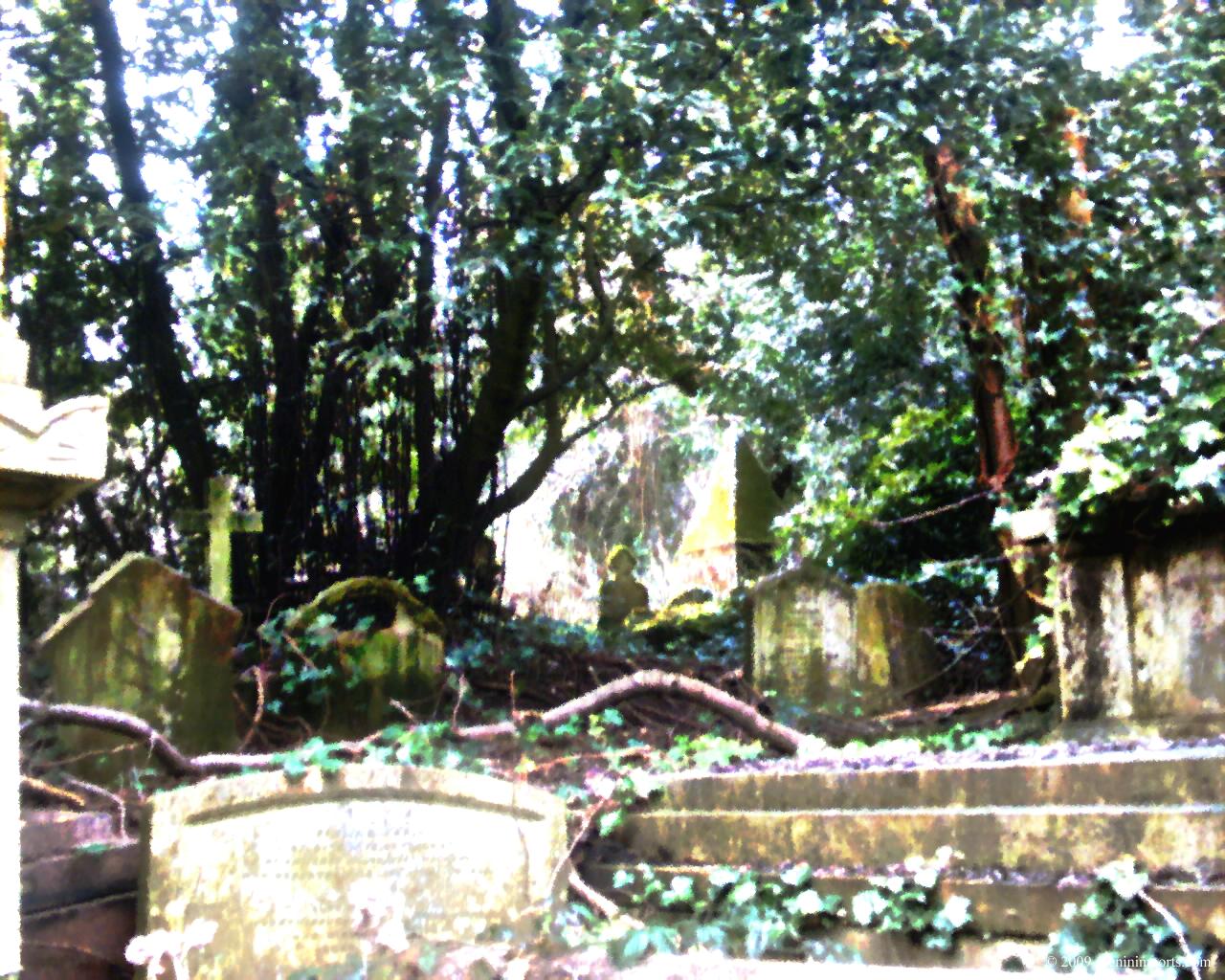
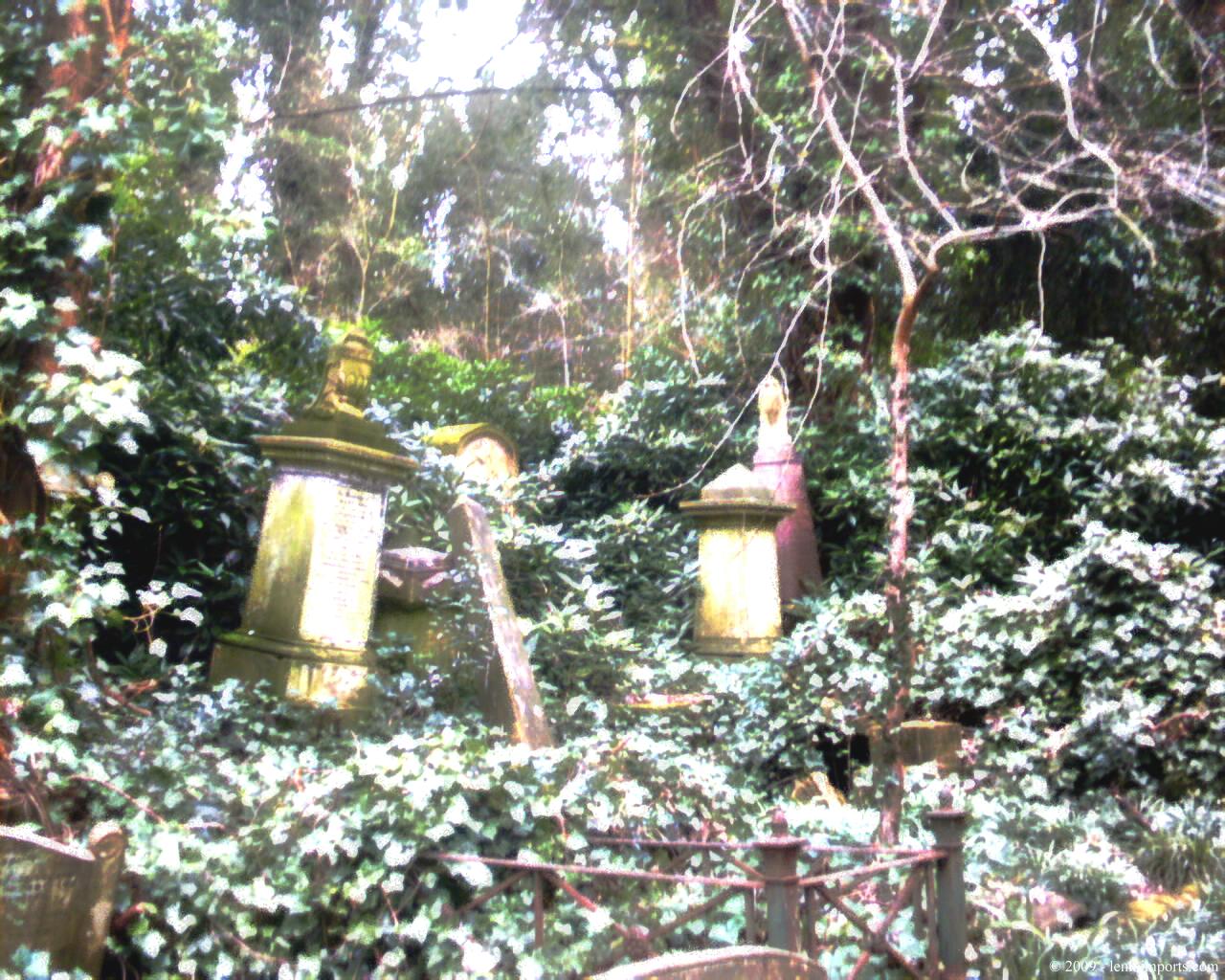

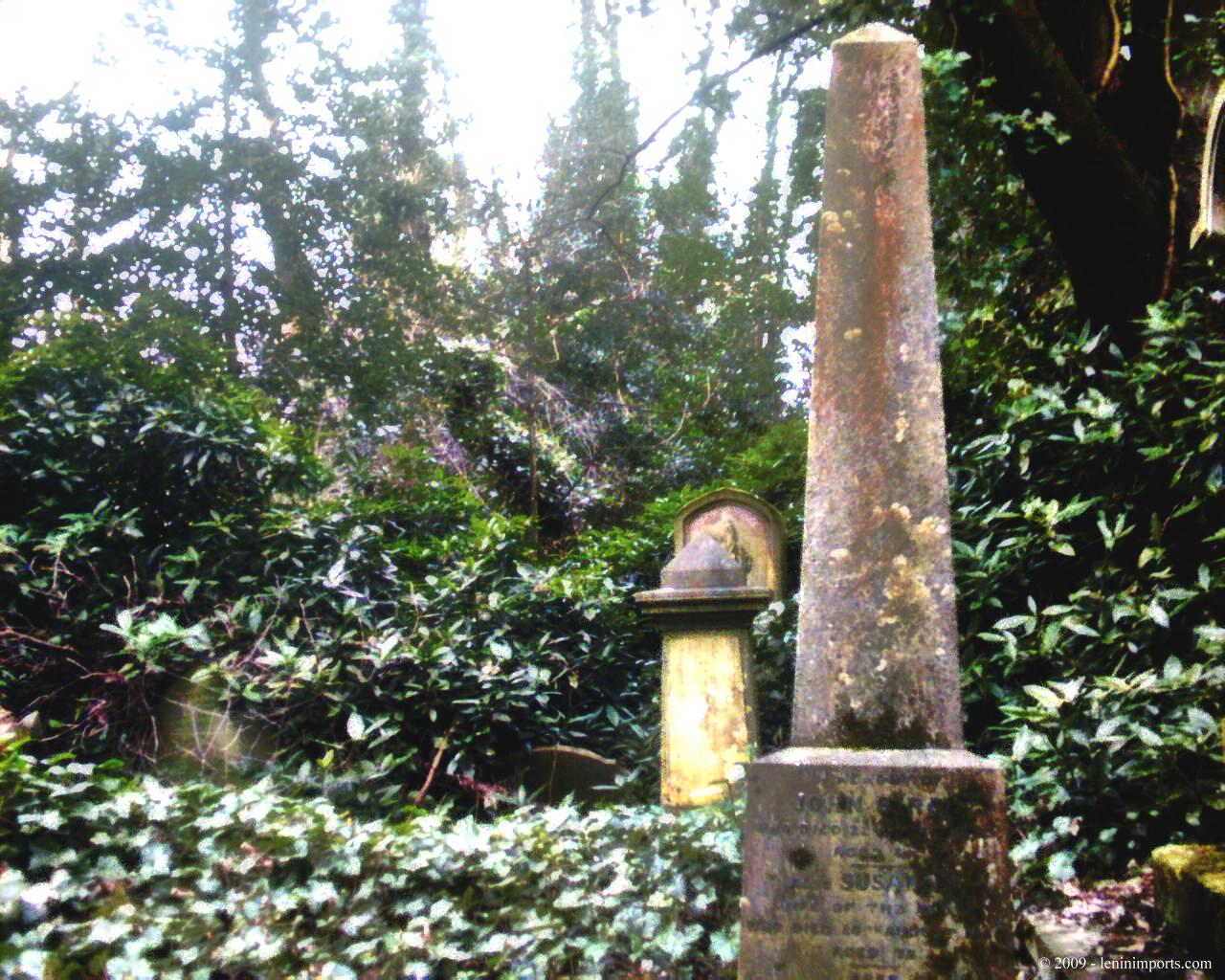

Photo copyright belongs to the respective photographers.
Highgate Cemetery Books @ eBay UK (direct link)