
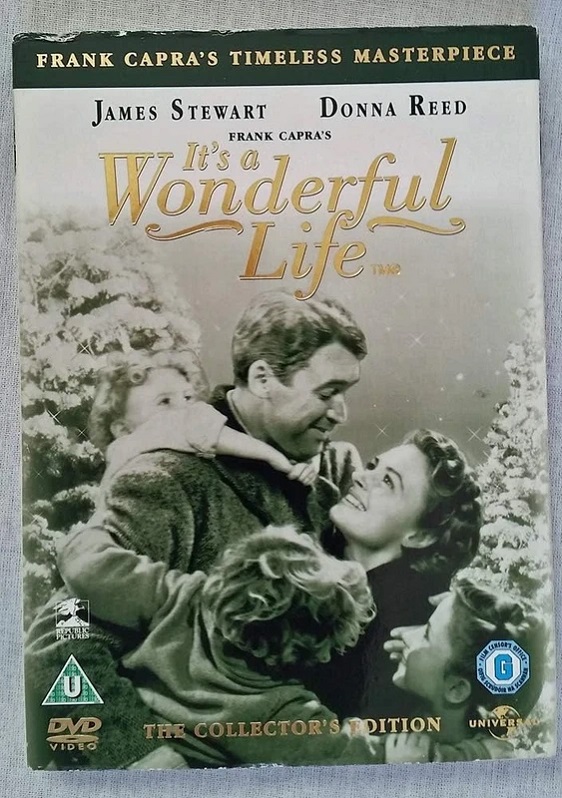
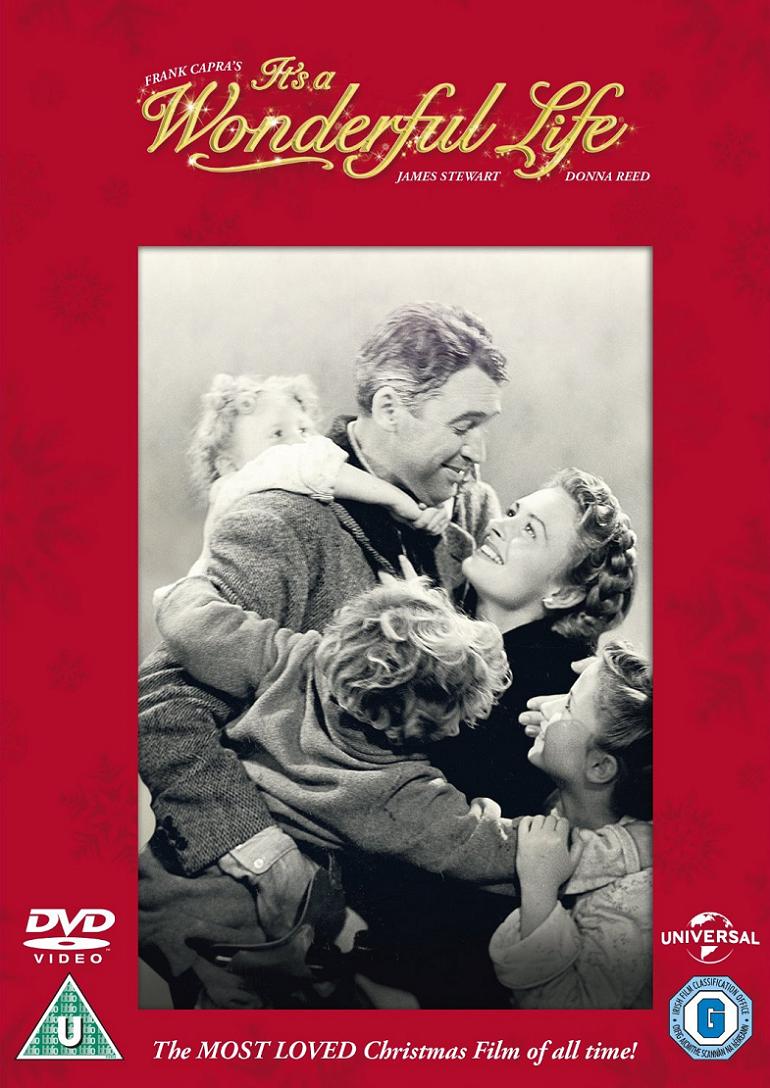


Jimmy Stewart was one of the most trusted and beloved of American actors, a star who now arouses great public affection chiefly because of his comedies, It's a Wonderful Life, and his artful hesitation in talk shows towards the end of his life. His body of mature films, made during the 1950s for Hitchcock and Anthony Mann, while generally presenting him as a troubled, querulous, or lonely personality, clearly play on the immense reputation for charm that his early films had won.
Thus Stewart is one of the most intriguing examples of a star cast increasingly against his accepted character. The emotional subtlety of films like The Naked Spur, Rear Window, The Far Country, The Man from Laramie, and Vertigo derives from the way in which we are intrigued by the contradictions in Stewart himself, between hardness and vulnerability.
Yet in the years before the war, Stewart was pre-eminently a diffident, wide-eyed, drawling innocent, a country boy who had wandered into a crazily sophisticated world.
Stewart had studied architecture at Princeton before he joined a theatrical company led by Joshua Logan and also including Henry Fonda. He worked steadily in the theatre until 1935 when he made his debut in The Murder Man on an MGM contract.
His popularity was undoubtedly enhanced by a distinguished war record in the air force. After the war, Stewart left MGM and free-lanced for several years, including one of his favorite roles, George Bailey, in Capra's It's a Wonderful Life (1946), a picture that caught the first hint of frenzy and gloom.
His beloved wife of 45 years, Gloria Stewart, died in 1994, a loss which left Stewart an emotional shell of his former self. Finally, he died in Los Angeles in 1997 of a pulmonary blood clot, three years after his wife. Over 3,000 people (mostly Hollywood celebrities) went to his funeral to pay respects.
At Forest Lawn, Glendale, California, USA, in the Wee Kirk O' the Heathers Churchyard, on the left side, up the huge slope, to the left of the Taylor Monument, space 2, lot 8
Own the timeless classic on DVD